In Valle Seco, they kept a book of the dead.
No one knew anymore when it had begun. The leather of the binding was dark from hands, smoke and the years it had spent in the small room behind the cemetery chapel, and some of the oldest pages had grown so brittle that they could only be turned with two fingers. It held no prayers and no record of how anyone had died. It contained only names, sometimes a year of birth, sometimes a trade, and now and then a brief remark when whoever had written the entry had known the deceased particularly well.
The book was kept by Nicolás Barrera, as it had been by his father and his father's father before him. He was neither priest nor gravedigger, though he knew enough of both to be mistaken for either in the village. His work began where theirs ended. When someone had been buried and the family, after a few days, had to learn again how to look past the empty place at the table, Nicolás came to them and asked how the name should be written.
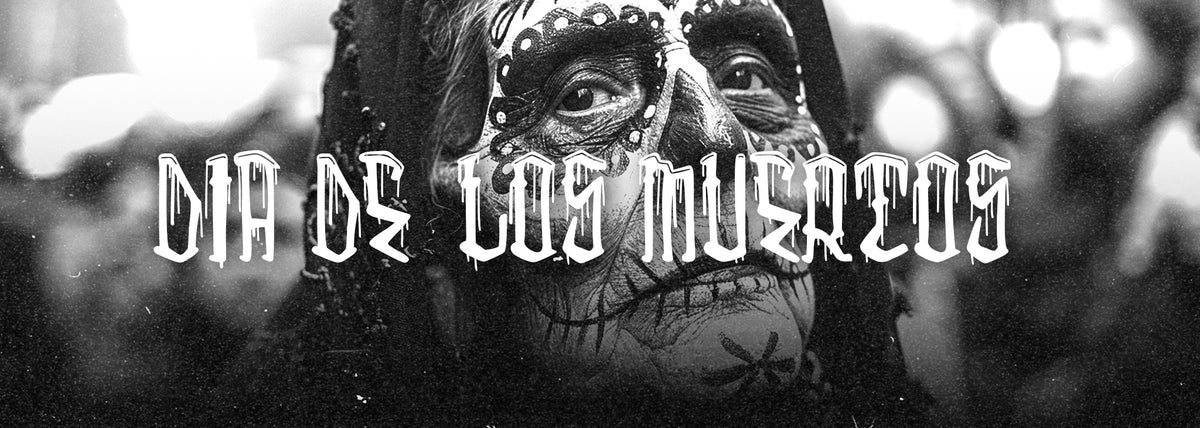
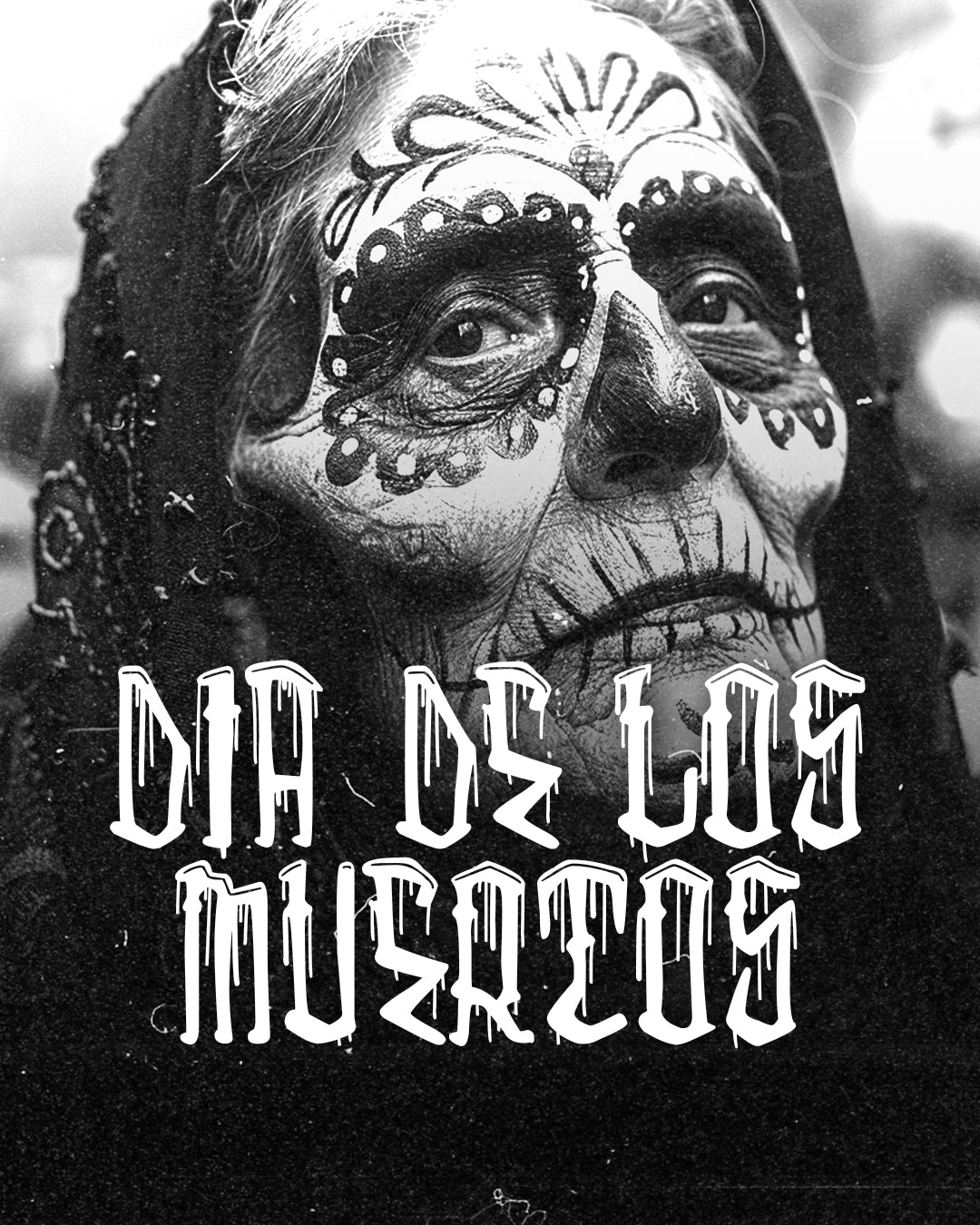
Shortly before Día de los Muertos, he opened the book again. Then the families came to the cemetery, looked up the names of their dead and wrote them on small slips of paper, candles or sugar skulls. Some brought photographs, others only stories, because no pictures had survived from their grandparents' time. The names were read aloud so that the children, too, would know who was expected in the coming nights. Afterwards each family set up its ofrenda, an altar for the dead adorned with photographs, food, candles and personal belongings.
From the graves to the houses they laid out cempasúchil, those vivid orange flowers whose color and scent, according to tradition, show the dead the way back. On the ofrendas stood all the things that had been familiar to the departed, in case memory truly was something one could follow.
Nicolás had never claimed that the dead really returned.
He did not think it necessary.
His wife Elena had been dead for twelve years, and yet every year on the first of November a cup of coffee stood on the small altar in his house, far too sweet and with so much cinnamon that Nicolás had barely been able to drink it while she lived. Beside it lay a wooden hairpin she had worn for almost twenty years. He did not set these things out because he was certain Elena would come for them, but because twelve years were apparently not enough to forget how someone had taken their coffee.
In the year the thing with the book happened, Valle Seco had just come through a bad time.
Two winters earlier, a sickness had raged, worst of all among the children. The following summer part of the harvest had withered, and afterwards several families had left the village, expecting more from a town further north than from a place whose wells had to be dug a little deeper every year. The houses still stood, but behind some windows no one lived anymore, and in a few years the cemetery had grown faster than in all the decades before.
The mayor of Valle Seco was Aurelio Cárdenas.
During the sickness he had lost his wife Teresa and his youngest daughter. His wife lay in the family grave beneath a stone bearing her full name. For his daughter, no one had taken the same trouble, because she had only lived to be seven and Cárdenas had said at the time that the name on the family's shared stone was enough.
In the year after her death he had still had an ofrenda set up. In the second year there were only two photographs on a table no one paid attention to. In the third he told his housekeeper she could spare herself the work.
When the town council deliberated a little later on clearing the oldest part of the cemetery, Cárdenas was among the first to vote in favor.
The northern section was nearly full. Some graves were so old that even Nicolás could no longer find an entry in the book for every stone, and many of the families buried there no longer existed in Valle Seco. Cárdenas proposed using the damaged gravestones for a new boundary wall and then reallocating the free plots. He spoke of order, of space, and of how no village could be governed by its dead forever.
Nicolás opposed him in the town hall.
He said the dead governed nothing at all and were therefore probably the only group in Valle Seco a mayor need not fear. A few men laughed. Cárdenas did not. He asked Nicolás whether a name on a weathered stone was truly worth more than room for the families who were still alive.
Nicolás replied that the family beneath the stone had probably once argued exactly the same way.
The vote took place anyway.
A week later, workers began opening the old graves.
Where relatives could still be found, the bones were moved to smaller graves. Where no one knew anymore to whom a stone belonged, it ended up on a cart. The walls of the new boundary grew quickly, and soon fragments of the old inscriptions could be made out in them. Half a birth year lay beside a broken rose ornament, beneath it the last three letters of a name. On one stone only a scratched cross remained.
Cárdenas found nothing unusual in it.
Nicolás did.
So every evening he began copying the old names from the book. Not because anyone had asked him to, but because he disliked the thought that one day he alone might know who had lain beneath a piece of the new cemetery wall. He worked alone in the room behind the chapel and usually did not come home until after midnight.
In the third week, he noticed for the first time that something was missing.
On a page he had copied in full the evening before, there was a blank space between two entries. Nicolás knew the page well. A name must have stood there, because beneath it the year of death and the trade were still recorded.
Potter.
He remembered the entry, but not the man.
At first Nicolás put it down to his age. He was sixty-two and had spent his life among names; at some point, he thought, even a good mind must begin to mix a few of them up. But the next evening three more were missing, and two days later he found a page from which almost an entire family had vanished.
The ink had not faded.
It was simply no longer there.
Nicolás held the paper up to the light, ran his fingers over it and searched for scratch marks. Nothing suggested that anything had ever stood in that place. Only the gaps between the remaining entries betrayed that names must once have been there.
That same morning a woman came to him whose grandfather was buried in the old part of the cemetery.
She had recognized part of his gravestone in the new wall. At least she believed so, because she still knew that her grandfather had lain there and that the stone had borne a grapevine. When Nicolás asked her the man's name, she opened her mouth and was silent for so long that he thought she had not understood him.
Finally she said the name would come back to her in a moment.
It did not.
Nicolás opened the book.
The entry was gone.
From that day on, he checked the pages every morning before doing anything else. Whenever another stone from the old cemetery appeared in the new wall, a name went missing shortly afterwards. Not always immediately and not in the same order, but often enough that Nicolás no longer took the connection for coincidence.
He went to Cárdenas and laid the book on his desk.
The mayor listened to everything, leafed through a few pages and then declared that Nicolás had spent too many nights alone with the dead. Old ink faded, old people forgot things, and families who could no longer name their own dead should not blame the town administration for it.
Nicolás asked him for his daughter's name.
Cárdenas replied at once that the question was in poor taste.
Nicolás asked it again.
The mayor turned red, stood up and ordered him out of the town hall.
He had not said the name.
That same evening, Nicolás went to the small chapel on the western edge of the village.
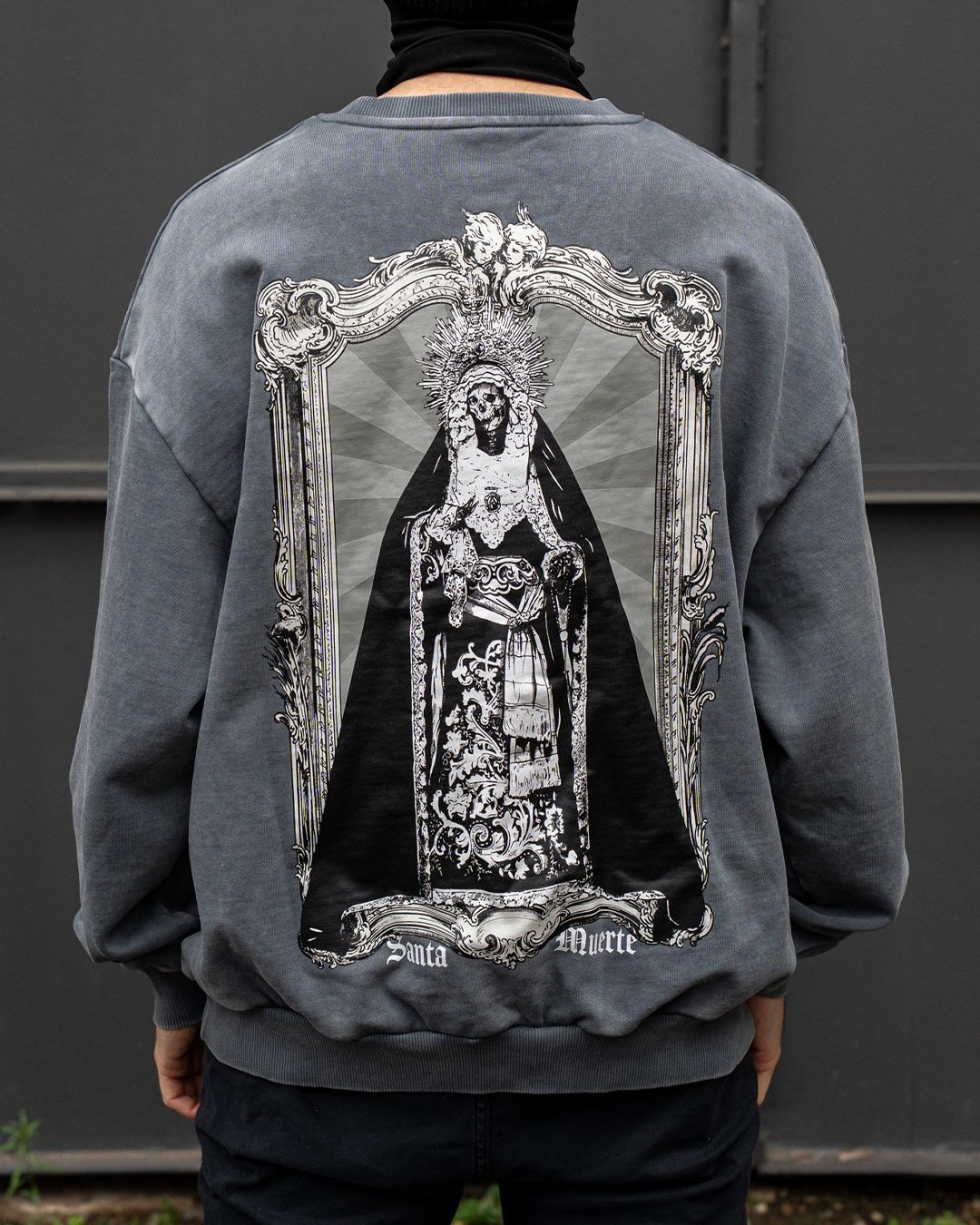
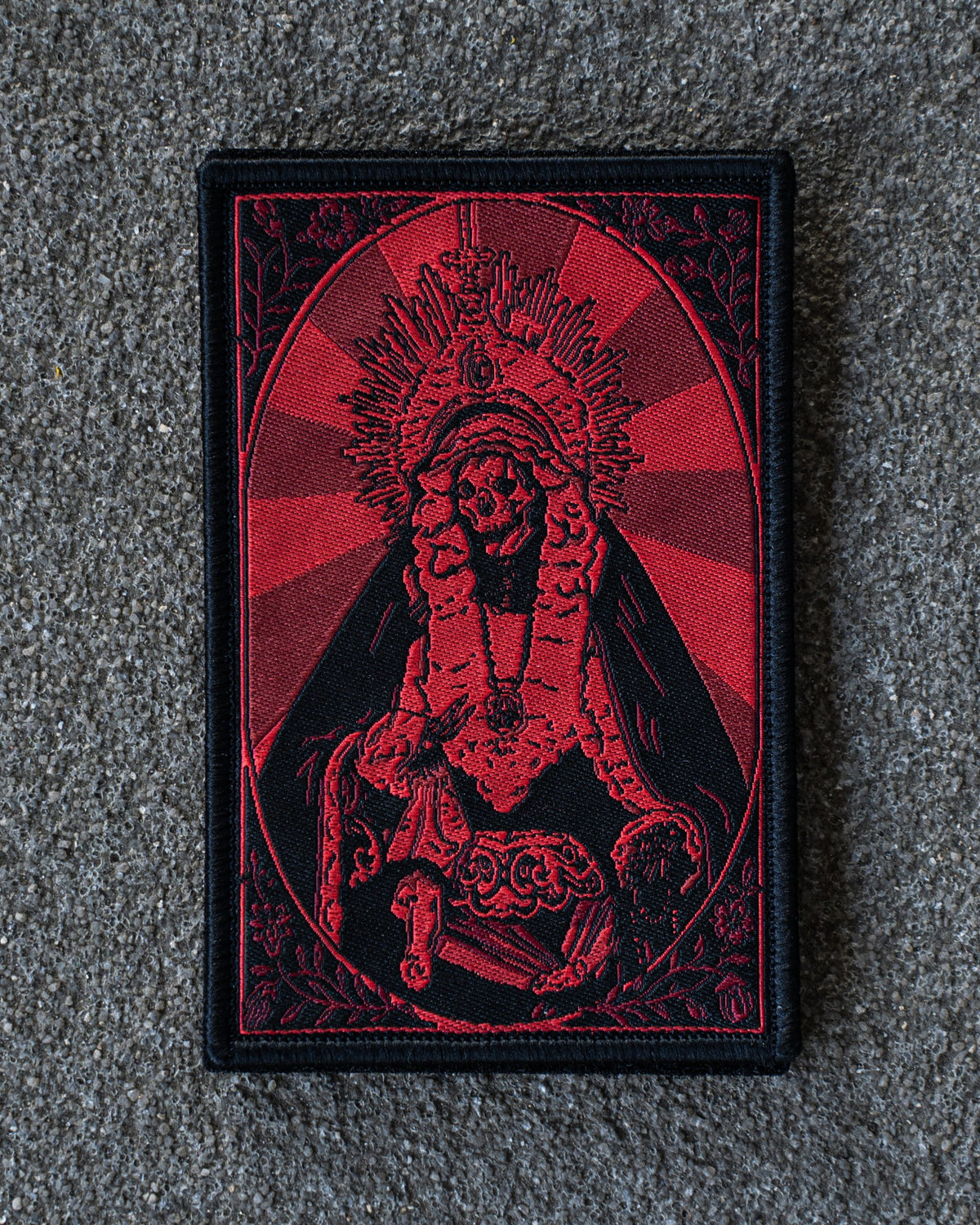
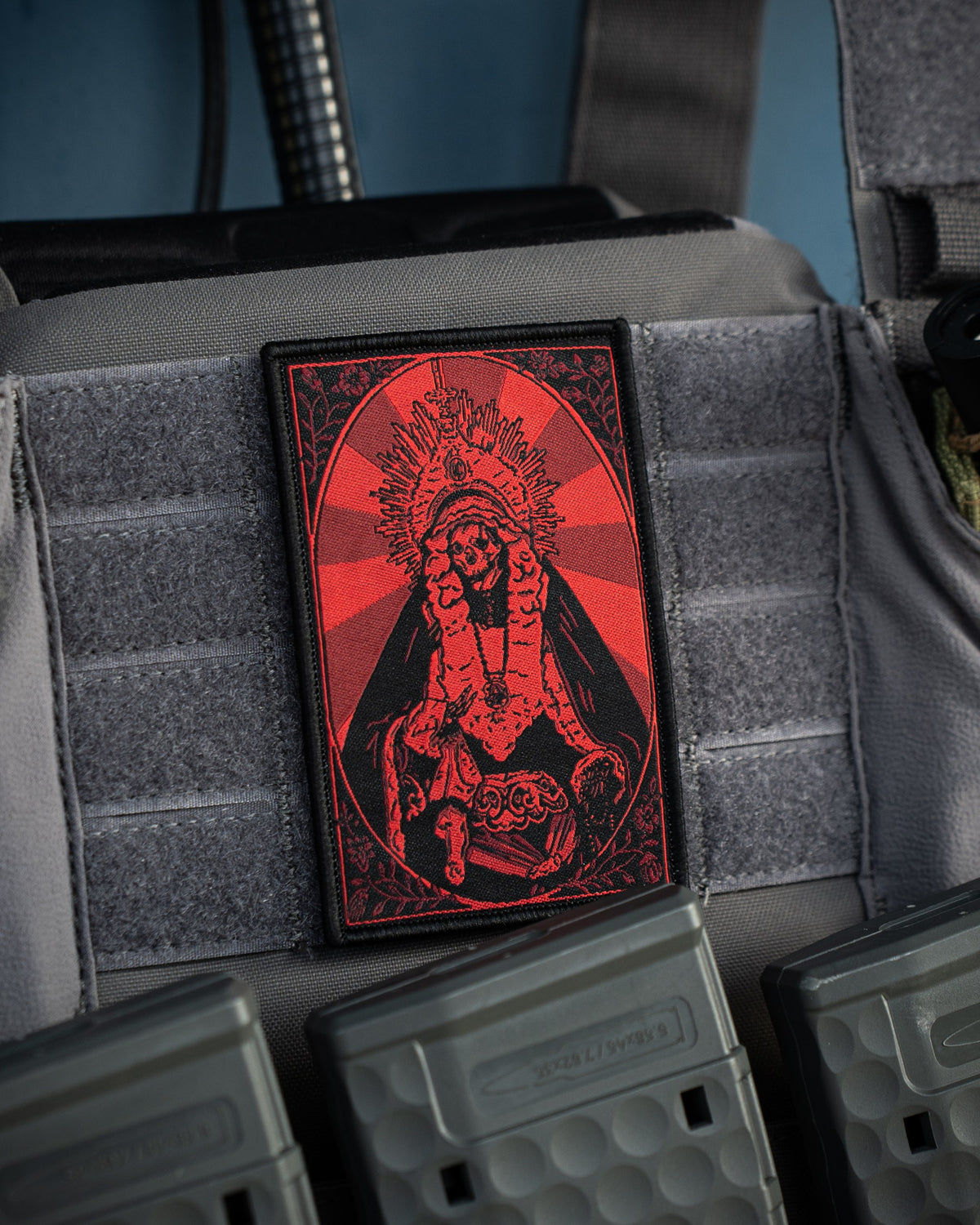
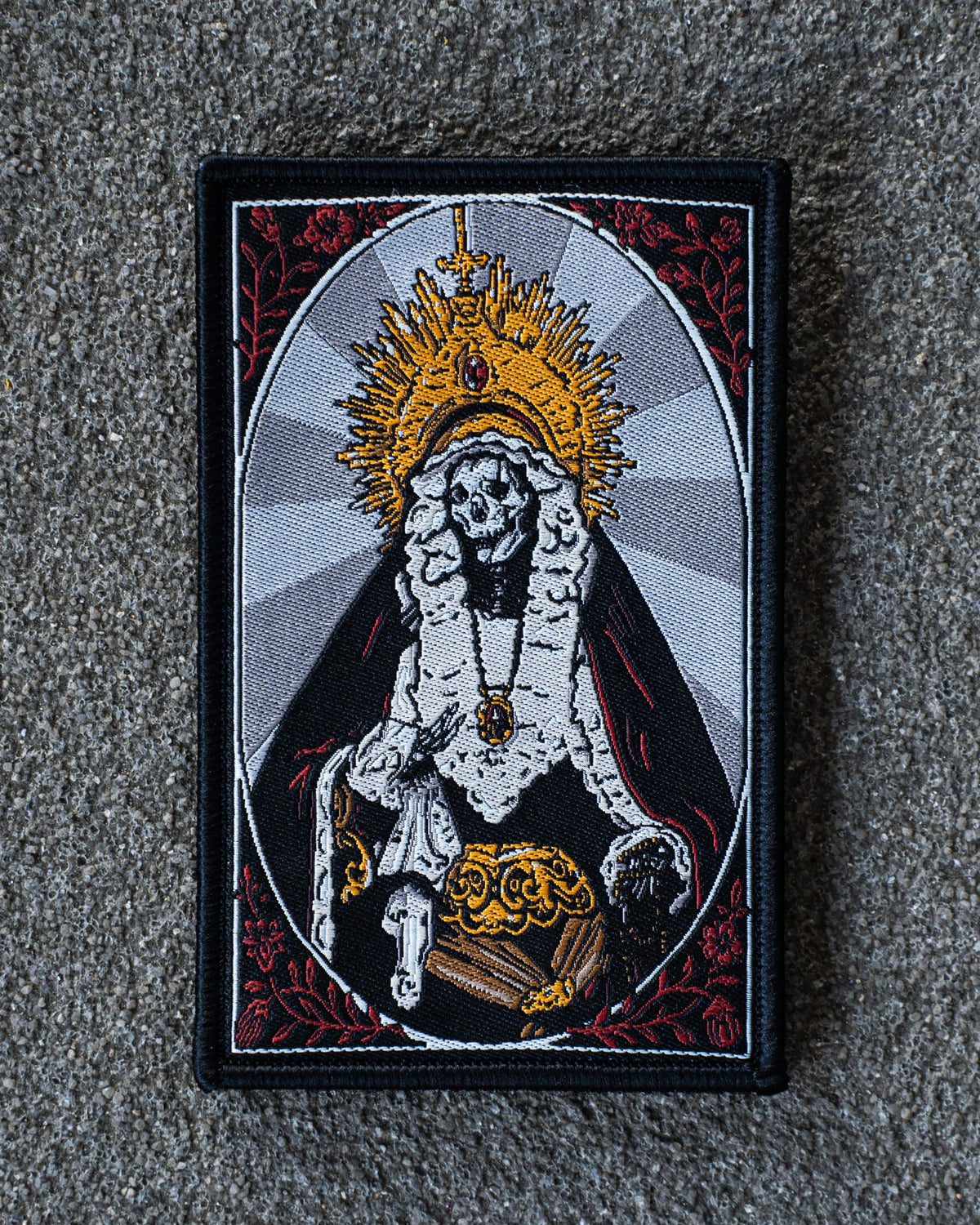
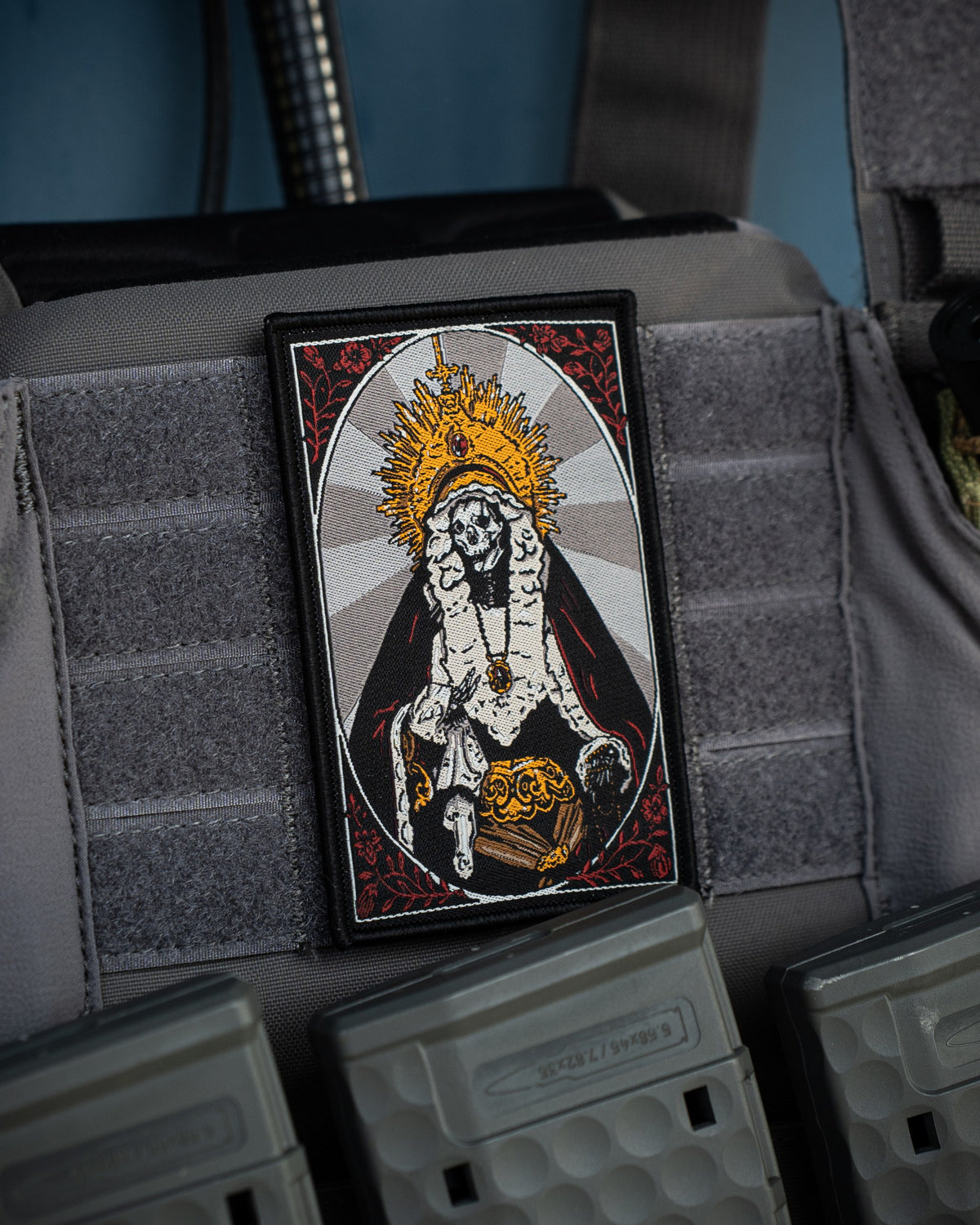
It belonged to no church. No cross hung above the entrance, and inside there was only a simple altar on which, among candles, flowers, coins and small glasses, a veiled skeletal figure waited. Santa Muerte wore a dark robe and held a scythe whose wooden handle had been worn smooth by the hands of visitors.
An old woman named Inés tended the place.
She listened to Nicolás without interrupting. When he had finished, she looked at the book for a long time but did not open it. Then she explained that people often came to Santa Muerte because they believed that whoever represented death must also rule over everything connected to it.
“They ask for health while looking at a skeleton,” said Inés. “That really says everything about us.”
Nicolás asked whether she could help him.
Inés shook her head and looked at the figure on the altar. The saint, she explained, could be asked for many things, but she was not the owner of the dead and certainly not the keeper of their memory. Death could take a body, but a name had to be left behind by someone who could still speak it.
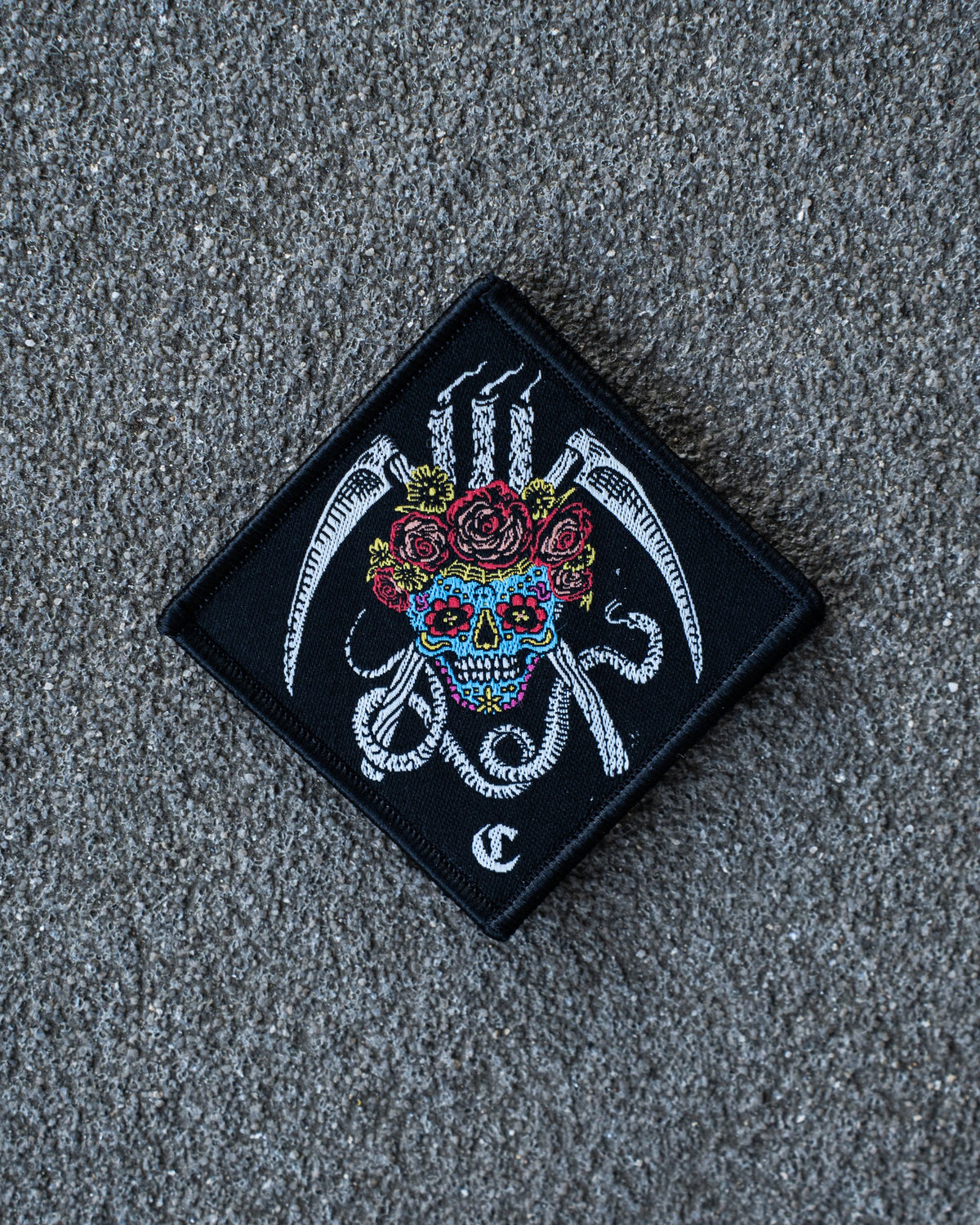
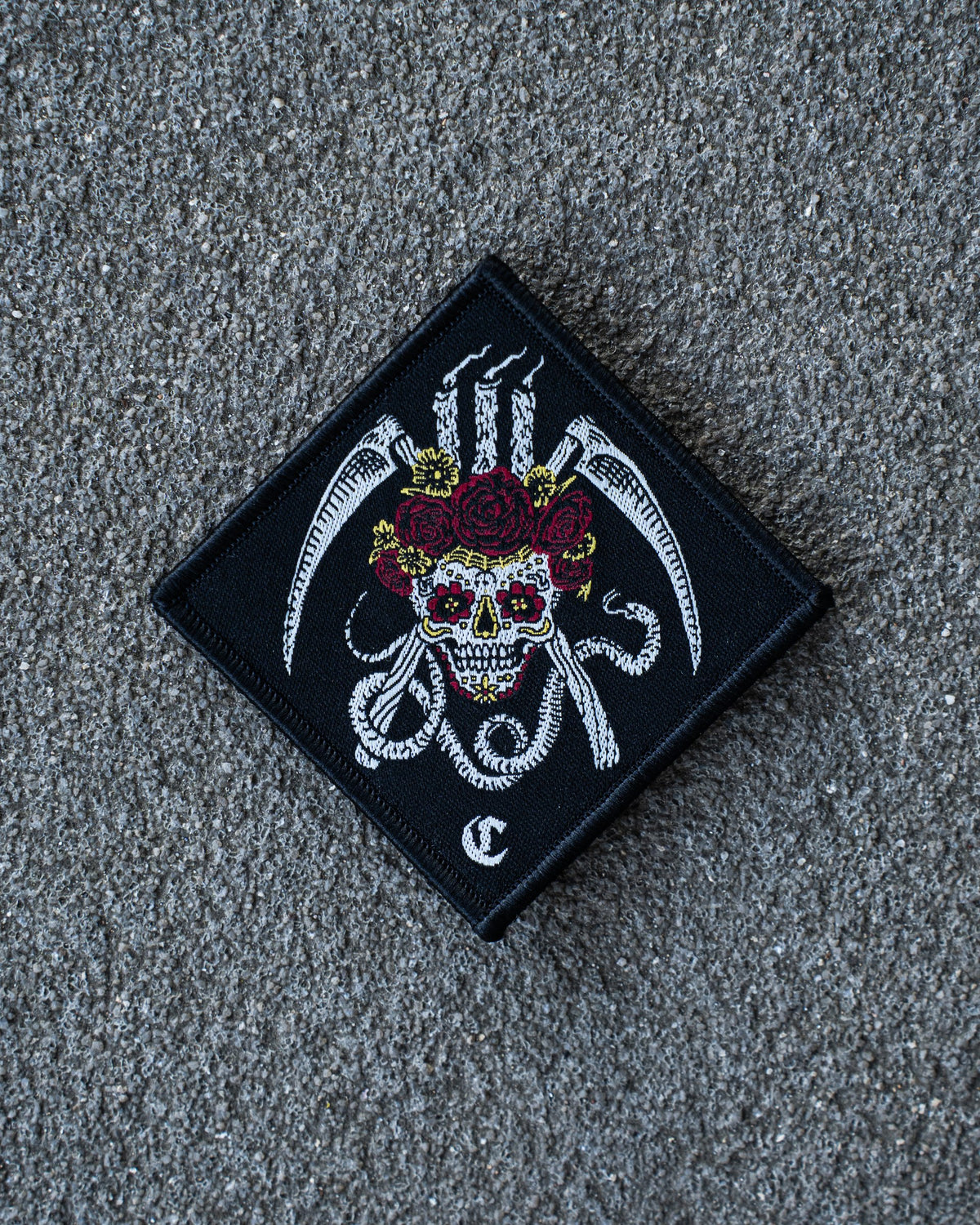
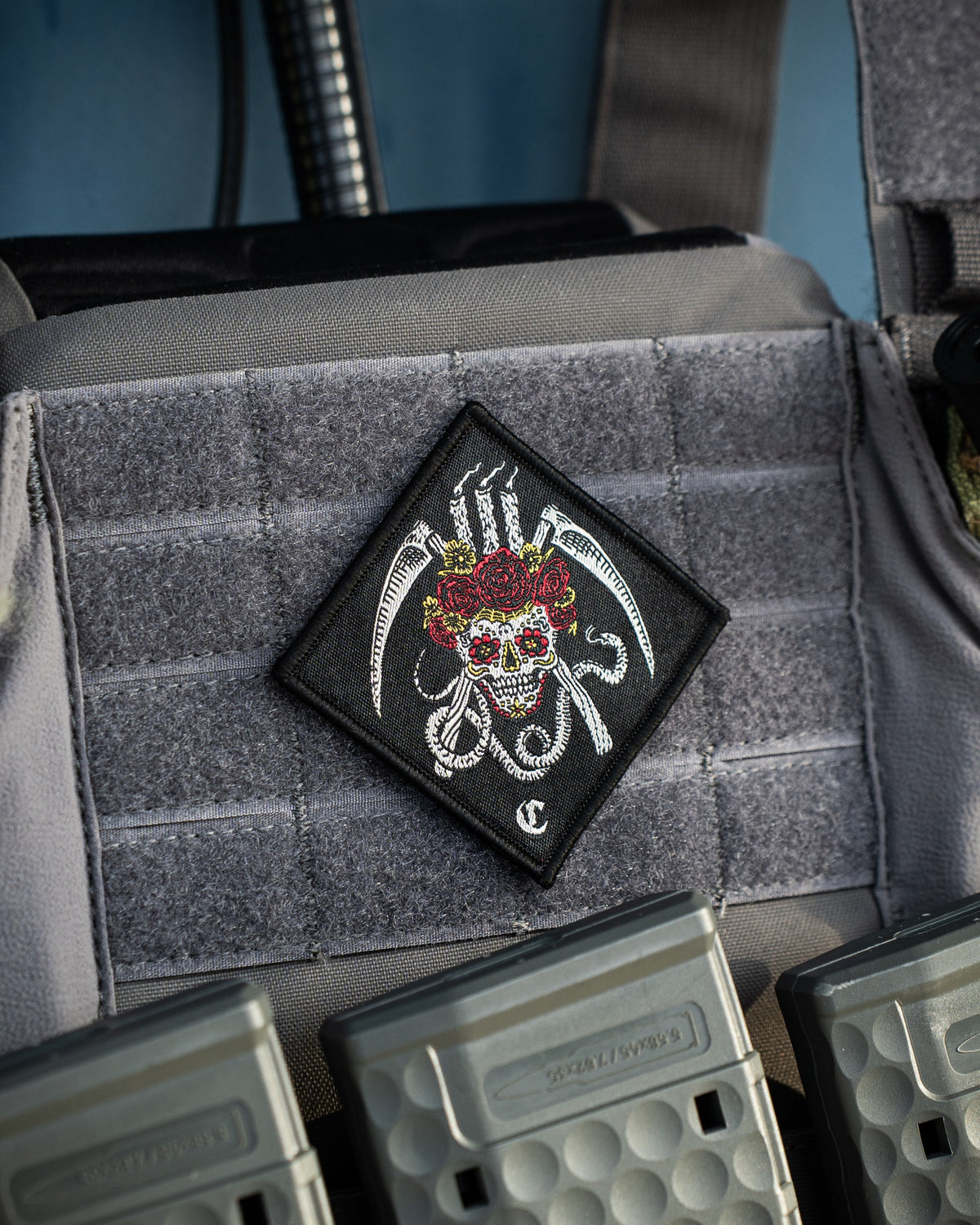
Before Nicolás left, Inés gave him a small calavera, an ornately decorated sugar skull of the kind placed on altars for Día de los Muertos and often inscribed with names. It was white, with red and black ornaments around the eyes, and on its forehead there was still room for a name.
Nicolás placed it beside the book.
In the days that followed, another entry vanished almost every night.
At the same time, the stories in the village multiplied. People stood before familiar houses and no longer knew who had once lived in them. A woman found letters from her dead brother but could no longer remember his voice. An old man insisted he had never had a sister, though Nicolás had read her name in the family register only the day before.
Two sisters argued at the market because the elder claimed their mother had been called something else, and both could still describe the woman exactly without being able to agree on a name. Nicolás himself caught himself one evening holding Elena's cup and, for a few seconds, not knowing why he set this ugly thing on the altar every year.
Afterwards he sat before her picture until morning and wrote down everything he remembered.
How she laughed when she was truly angry.
How she took salt with her fingers while cooking, even though a spoon lay right beside it.
How she refused to change her shoes in the rain.
How much sugar she put in her coffee.
At the very top of the page he wrote her name.
ELENA BARRERA.
On the first of November, Nicolás found the book lying open on the floor of the chapel.
He was certain he had left it on the table the evening before. Several pages had come loose from the binding, and a fine black dust lay over the paper, as if something had burned somewhere in the room.
Stranger still, one of the vanished names had returned.
It stood faintly between two other entries.
Nicolás did not know the man, but beside the name something could be seen that had not been there the evening before. A thin trail of orange pollen ran across the page.
When Nicolás left the chapel, cempasúchil lay before the door.
They led to the cemetery.
The path was not wide, nor did it look as though anyone had laid the blossoms out with care. It looked rather as if they had fallen from the hands of many people during a long march. The trail ran along the new wall, turned between the graves and finally led to the southern gate of the cemetery.
It did not end there.
It led out onto the road.
Nicolás followed it to the edge of Valle Seco. Several residents now stood before their houses, watching the same thing. No one spoke much. Some women held their children close, others were already carrying candles outside, though the sun had not yet fully set.
Cárdenas came out of the town hall with two men and demanded to know who had laid out the flowers.
No one answered.
The mayor had them swept away.
Shortly after nightfall they lay there again.
This time the path led to his house.
Cárdenas bolted the door.
Nicolás went home and fetched Elena's photograph, her cup and the page with his memories. He set everything on the table and laid Inés's calavera beside it. On its forehead he wrote Elena's name.
Then he sat down by the window.
Shortly before midnight he heard the first footsteps.
They came from the direction of the road, slow and so numerous that Nicolás at first thought of a procession. Soon the first people appeared between the houses. Some wore clothes he recognized, others fabrics and cuts from times he knew only from old pictures. Men walked beside women, children held hands, and among them walked people who seemed so ordinary that Nicolás only understood what he was seeing when a neighbor recognized her dead husband.
She called his name.
The man stopped.
Nicolás watched him turn toward her voice and walk to the house. At the door he waited until his wife had spoken his name a second time, then he stepped over the threshold.
Further down, the same thing happened.
Doors opened, names were called, and people who had lain buried for years walked through houses where their places had long been put to other use. Some were recognized at once. Others stood in the street for minutes while, behind windows, people wept and tried to remember.
Nicolás took Elena's picture and went outside.
He did not have to search for long.
She came up from the cemetery.
Twelve years had passed, but she did not look like a woman who had lain in the ground for twelve years. She looked as she had on that last good day before her illness, when she had sat in the yard laughing at him for repairing a ladder he had meant to throw away three years earlier.
Nicolás said her name.
Elena stopped.
For a moment he believed that the whole custom, the book and every story his father had ever told him had been waiting for nothing but this moment.
Then she smiled.
Nicolás led her home.
Later he could never explain whether she had actually spoken to him. He remembered her voice and several things she must have said, but when anyone asked for her exact words, he no longer knew them. He only knew that at some point he laughed, although since her death he had never again been able to laugh at one of her stories without feeling ashamed afterwards.
Outside, the night changed.
Not every one of the dead found a door.
The longer the procession lasted, the more figures gathered at the cemetery. They were mostly those whose graves had lain in the old section. They stood at the new wall, looked at the stones and waited for voices that did not come.
Nicolás noticed it when Elena suddenly went to the window.
He followed her gaze and saw a man standing outside whose face he knew without knowing from where. Behind him stood others. Some looked straight at the houses; others no longer seemed sure themselves which of them had once been theirs.
Then Nicolás understood why the book had lost its names.
He took it and went back to the cemetery.
Elena came with him.
By now dozens of residents had gathered on the square before the chapel. They carried old photographs, letters, family Bibles and anything else on which a name might still be written. Some walked among the dead, comparing faces. Others stood at the wall, trying to piece together complete names from the remaining letters of the broken stones.
Cárdenas was there too.
Before him stood a little girl.
Nicolás recognized her from a photograph in the mayor's house. She wore a pale dress and held her hands behind her back. Cárdenas had laid both hands on her shoulders and was talking to her as if that alone could hold her there.
He did not know her name.
Nicolás opened the book and searched for the Cárdenas family register. Teresa was still in it. Below her followed the elder daughter. Where the younger should have stood, the paper was blank.
Cárdenas saw it.
For the first time that evening, he did not look like a man used to others waiting on his decisions.
He asked Nicolás to look in another book.
Then in the church registers.
He wanted to send for a priest, then for his housekeeper, and finally for everyone in the village who had known his daughter. No one could help him. They remembered the girl, her face, the day of her funeral and even a song she had sung constantly.
The name was gone.
Cárdenas began searching the stones of the new wall.
He tore at individual blocks as if her name might be wedged somewhere beneath them. Two men tried to hold him back, but he pushed them away and kept pulling at the masonry until his hands bled.
Then the cemetery fell silent.
Not suddenly, but little by little. Conversations broke off, people turned around, and even those dead whose names had already been found looked toward the southern gate.
A figure was coming up the path.
Nicolás had seen Santa Muerte often enough to know at once that this was not her.
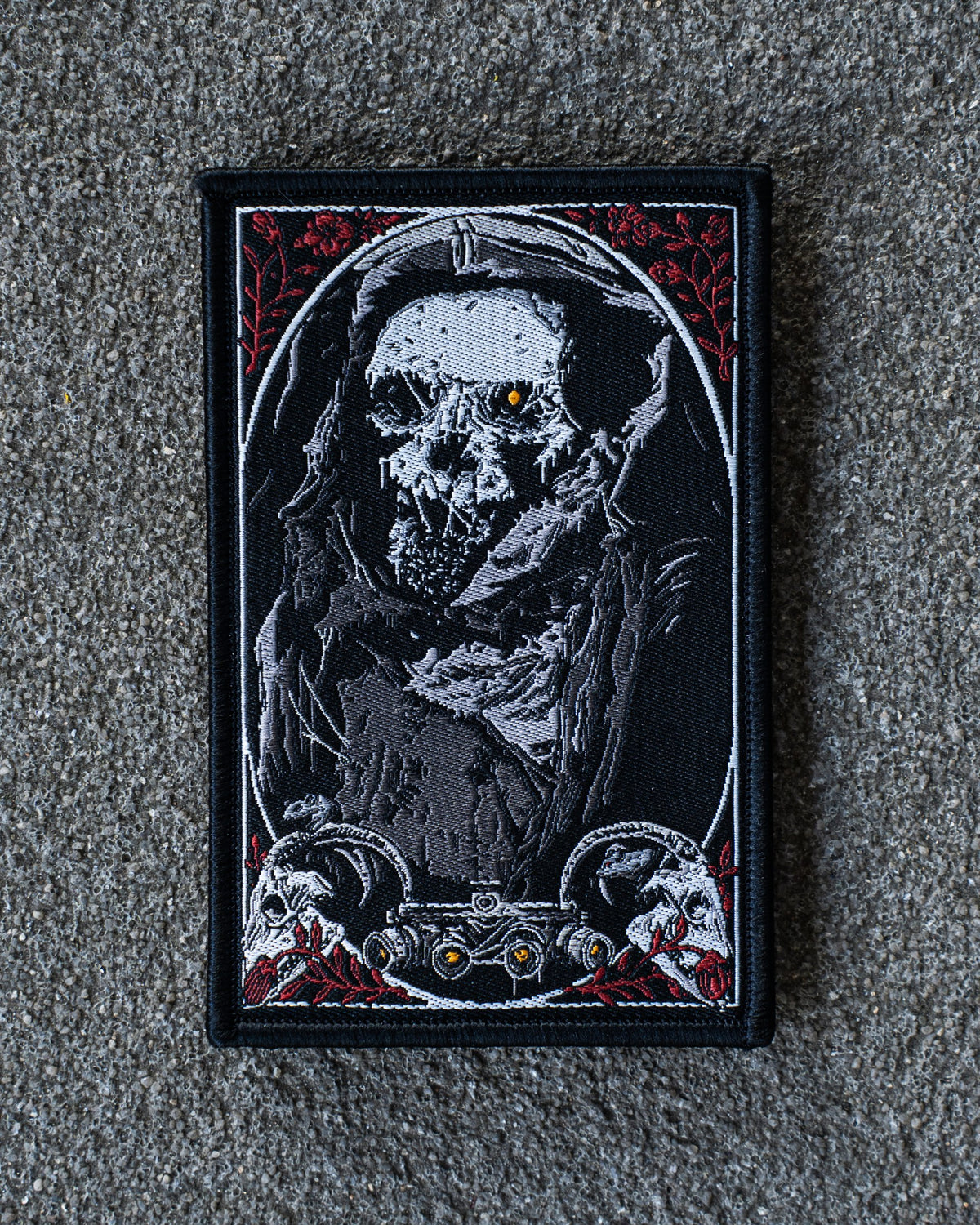
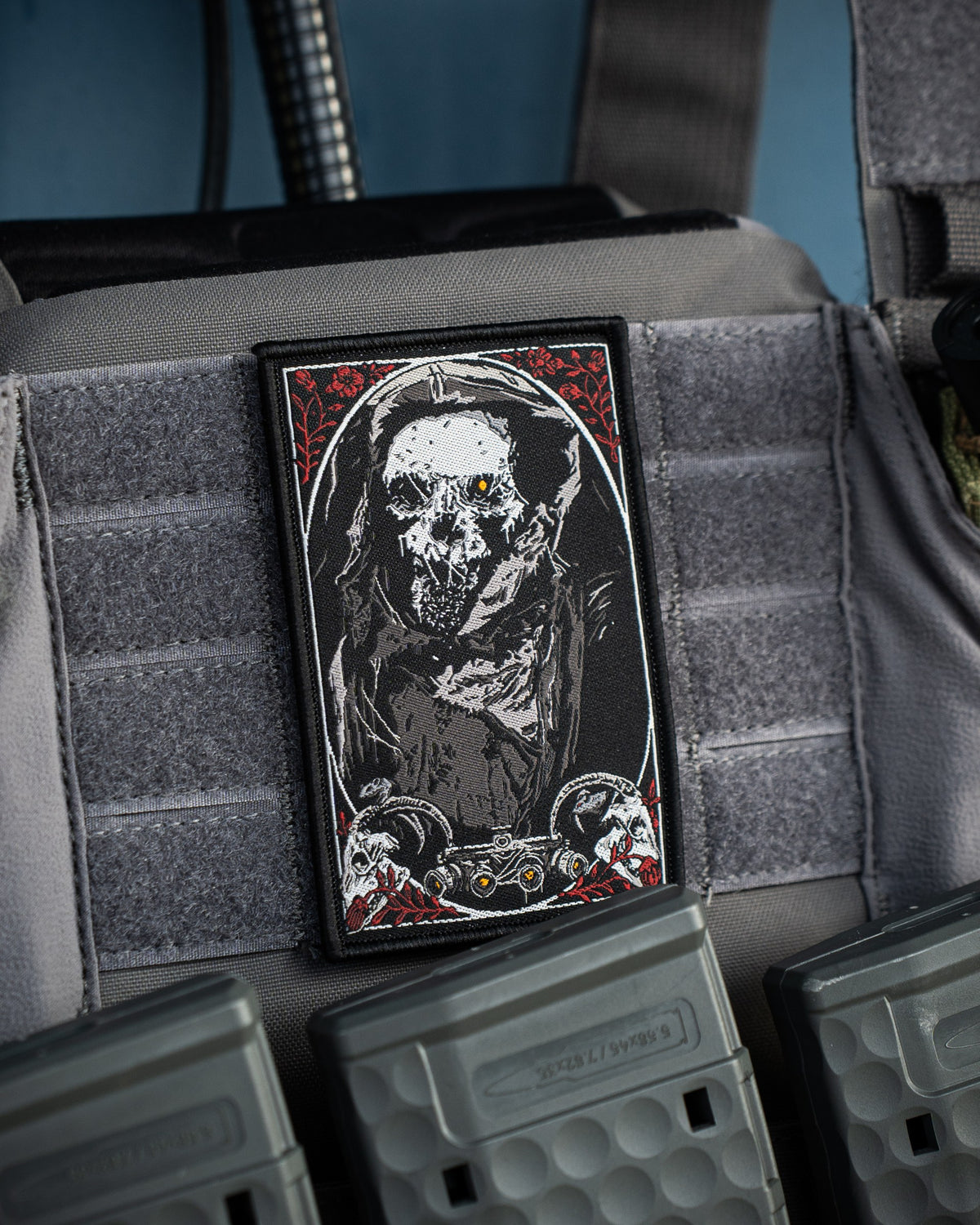
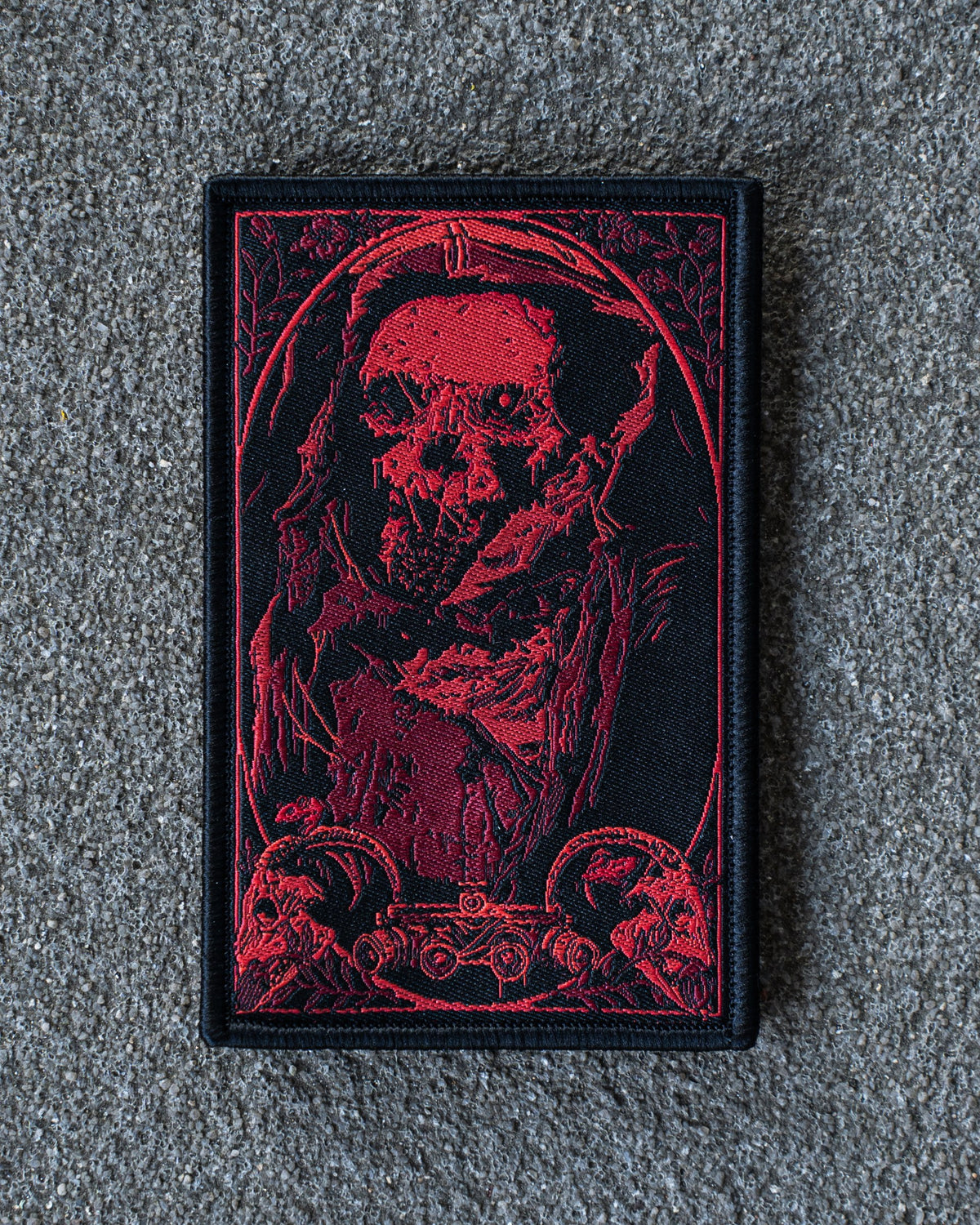
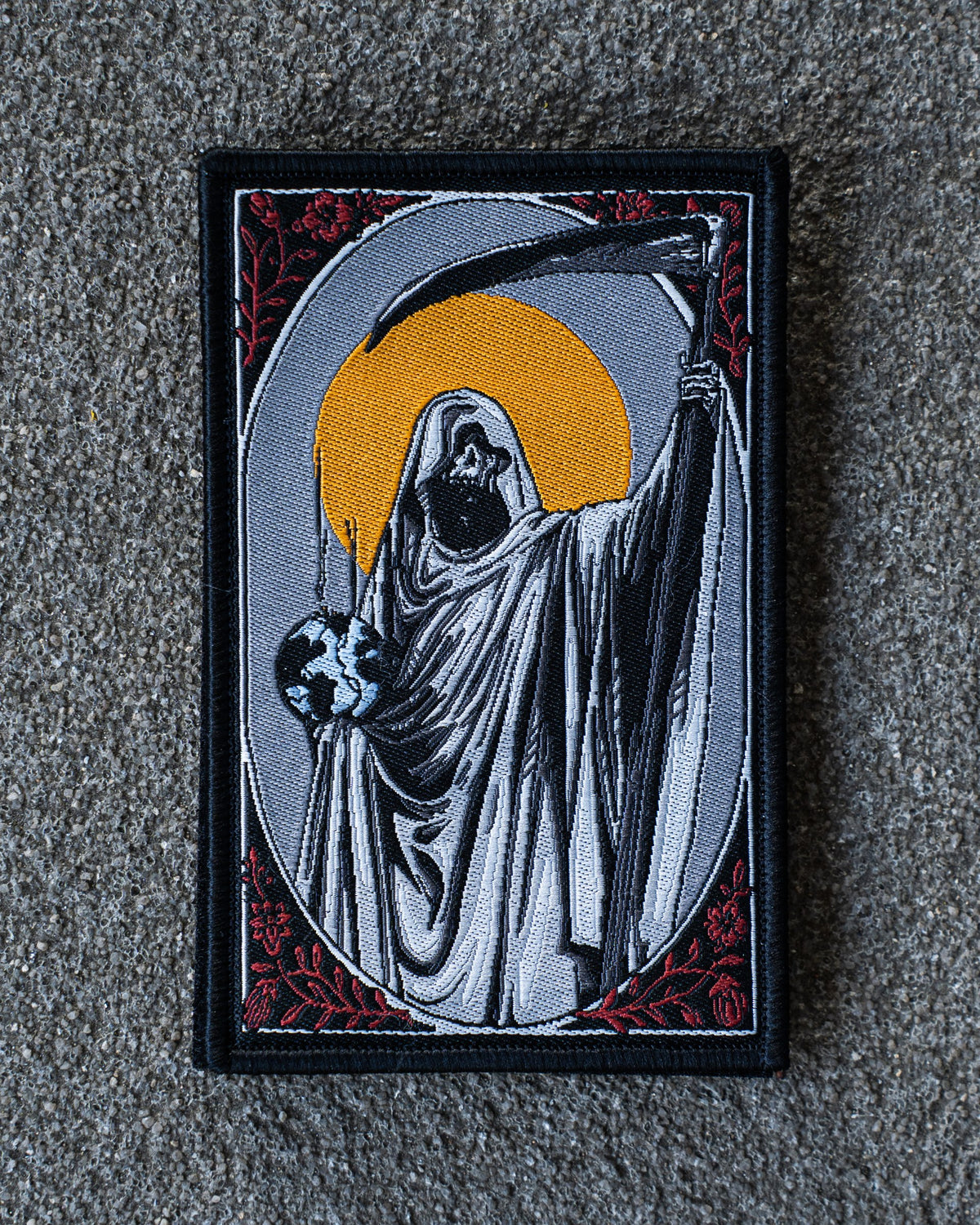
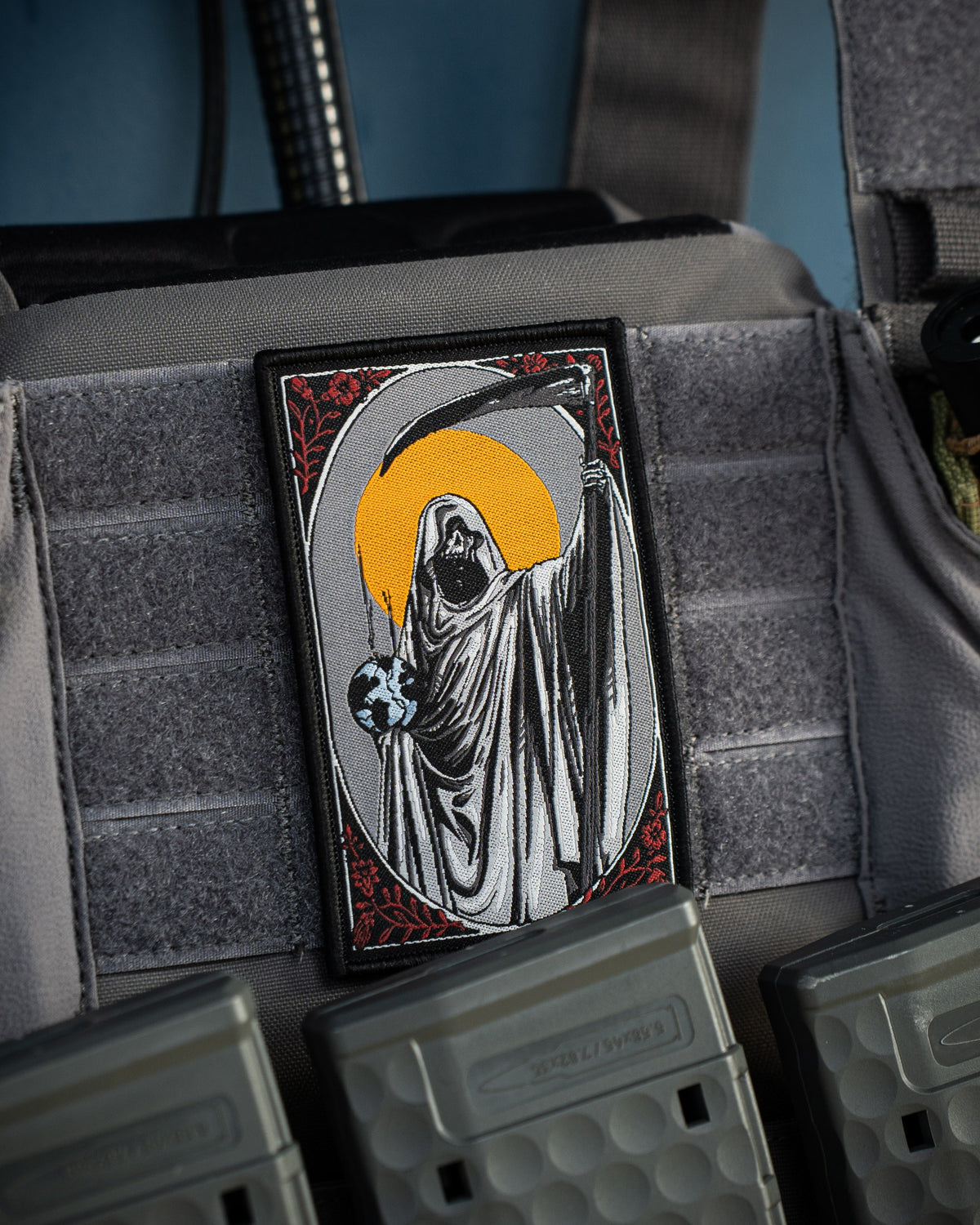
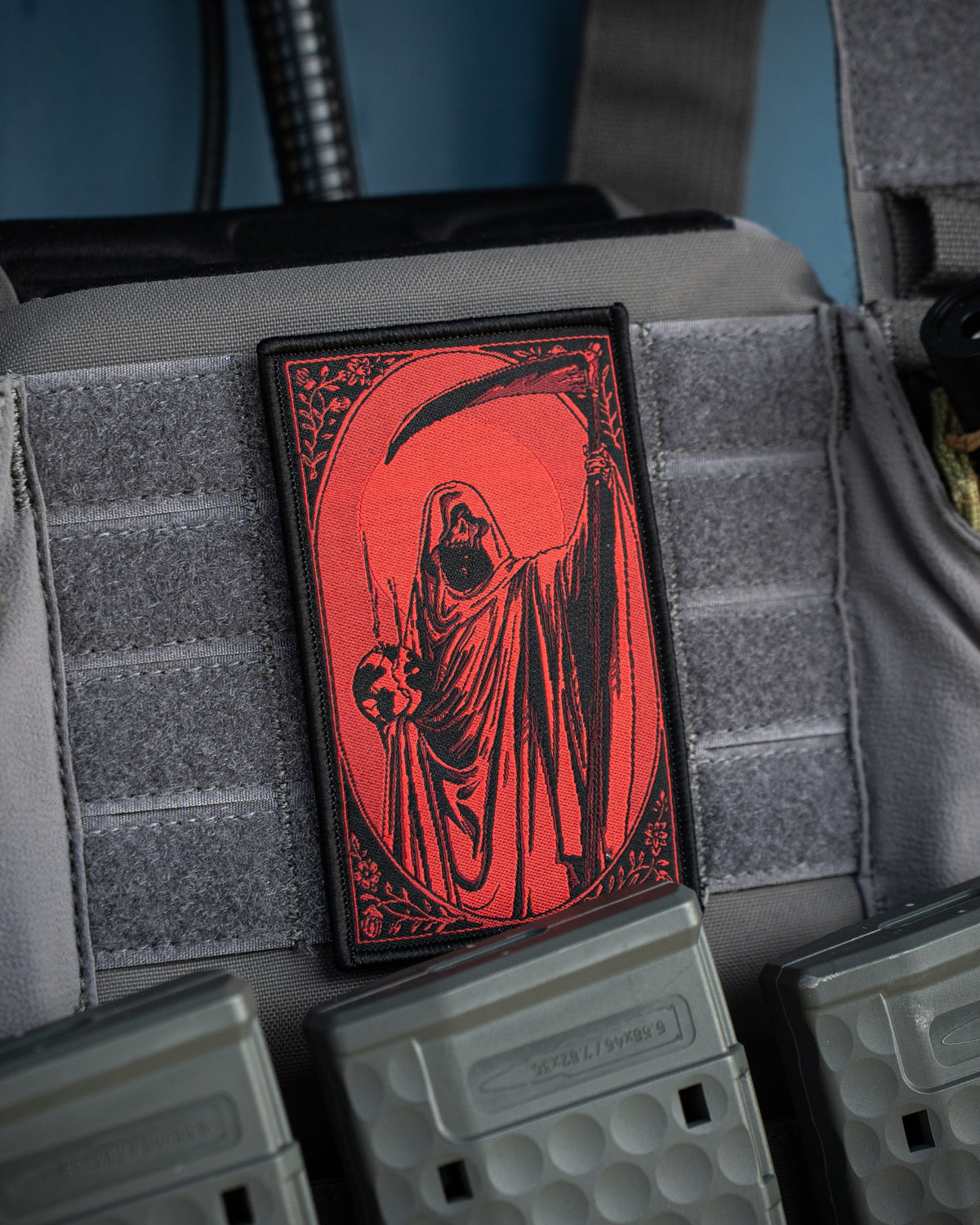
The figure wore neither her crown nor her scales, no colored robe and no jewelry. Beneath black cloth lay a bare skull, and over one shoulder rested a scythe whose blade looked older than the metal it was made of.
In its other hand the figure held a world.
It was small enough for its fingers to span, and yet Nicolás could make out oceans, clouds and continents. In several places it was burning. The fire ate slowly across its surface without the figure seeming to notice.
Cárdenas only noticed Death when he stood a few steps behind him.
He turned around, still holding a loose stone in both hands.
No one heard exactly what he said.
Those who told of it later agreed only that Cárdenas pointed at his daughter and demanded that Death give him back her name.
The figure answered quietly.
Nicolás stood close enough to understand the words.
It said it had taken the girl, but not her name.
Cárdenas asked who had taken it, then.
Death looked at the stone in the mayor's hands.
He needed to say no more.
Cárdenas let it fall.
Nicolás thought of all the pages in the book that now lay blank, and of the graves whose inscriptions were locked in that wall. For the first time he understood that the forgetting had not begun with a sickness, nor with any curse. The town had worked at it itself for years. It had stopped telling stories, stopped building altars, broken stones and at some point decided that a person no one remembered anymore had no claim to a place.
Death had merely waited until their decision bore consequences.
Cárdenas sat down on the ground beside his daughter.
He spoke with her for a long time.
First he told of her birth and of the way his wife had always wrapped her too tightly in blankets. Then he remembered a summer when the girl had fallen out of a tree, a goat she had been afraid of as a small child, and a dress she had torn while playing and afterwards tried to blame on her sister.
With every story his face changed.
At some point he was no longer speaking for the people around him, nor to find a name. He was telling his daughter about her own life, as if he had to give it back to her.
Then he paused.
The name came in the middle of a sentence.
Isabel.
Cárdenas said it a second time.
The girl raised her head and touched his hand.
The mayor began to weep.
No one looked away.
That night the new cemetery wall was torn down again.
Cárdenas gave the order himself.
The men worked with hammers, crowbars and bare hands. Every stone on which a single letter could still be made out was carried to the square before the chapel. Nicolás sat beside it with the book while families fetched old documents and tried to restore names where blank spaces had remained.
Elena stayed with him the whole time.
Some names returned as soon as someone told a story. Others were found on the back of a picture or in an old letter. One family name was reconstructed because three different people each remembered a different part of it. For some, nothing helped.
Toward morning, the dead still stood among the graves.
No one knew their names.
Nicolás looked at them for a long time.
Then he remembered the calavera Inés had given him.
He fetched it from his house and set it on the table before the chapel. Elena's name was on its forehead, but Nicolás did not wipe it away. Instead he asked the village confectioner to bring every calavera she had left.
There were not enough.
So other families brought their own.
A name was written on each one whenever it was known. For those whose names were lost, Nicolás painted a small scythe on the forehead. No substitute name and no invented past, only a sign that someone had stood there whose life the town did not want to erase a second time.
When the first rays of the sun fell over the cemetery wall, the last figures vanished.
Death was already gone.
Where he had stood lay black ash.
Nicolás took some of it between his fingers. It was still warm.
Elena was waiting at the gate.
He went to her, and for a few moments they stood side by side in silence. Then she looked back toward the ofrenda in her house, toward the cup of coffee and all the small things that for twelve years had been enough to keep at least part of her there.
Nicolás said her name.
When he looked around again, no one stood at the gate anymore. He went home and drank the cold coffee.
It was still far too sweet.
In the weeks that followed, Valle Seco rewrote its book.
Cárdenas had every surviving gravestone brought back and paid stonemasons to recut the weathered names. Where no name could be found, the stone remained standing all the same. On it was engraved the same small scythe Nicolás had painted on the calaveras that night.
The ofrendas returned as well.
Not out of fear that the dead might otherwise walk the streets again. The people of Valle Seco had learned something far more unsettling that night: a person did not have to rise from the grave to die a second time. It was enough that no one knew anymore who they had been.
Nicolás kept the book for many more years.
The new pages held names, birthdays and trades once more, but he began adding small remarks as well. Not for everyone, and not always in earnest. For a butcher, he noted that the man had claimed all his life that the scales in his shop were broken, although they had only ever been wrong in his favor. For an old woman, he wrote that she had cursed every neighbor who fed her chickens, and that her birds had nonetheless regularly sat with exactly those neighbors.
For Elena he wrote only that no one needed that much sugar in their coffee.
Beneath her name he drew a small scythe.
The chapel of Santa Muerte remained on the western edge of the village, and its candles kept burning for people who asked for protection, health, love or one more chance. No one in Valle Seco took her for the figure that had carried the burning world that night. The people now understood better than before that death can be given many faces without any one of them ever fully possessing him.
From then on, every year, a calavera without a name stood on the great ofrenda of the village.
On its forehead there was only a scythe.
Beside it, a small space was left free.
Sometimes Nicolás found a little black ash there in the morning, though no fire had burned anywhere near.
He never removed it.
When he himself finally died, the book was almost full.
His successor found a note in Nicolás's handwriting on the last written page. It did not explain what had happened that night, nor did it try to prove that the dead find their way home along paths of blossoms, or that Death waits somewhere with a burning world in his hands.
It said only that a grave keeps a body, a stone a name, and a person the story behind it.
When all three disappear, nothing is left that can find its way back.
Since then, the names of the dead are read aloud in Valle Seco every year before the first candle is lit on the ofrendas. Children hear stories about people they never knew, families argue over which version is true, and on some altars stand things whose meaning no one can fully explain anymore.
It does not matter.
As long as someone still asks, the name is not alone.
And in Valle Seco they still say that the blossoms can show the dead the way to the door, but only the memory of the living decides whether anyone is still there to let them in.
Above the cemetery gate it is written:
DEATH TAKES THE BODY.
OBLIVION TAKES THE REST.