Little Red Riding Hood
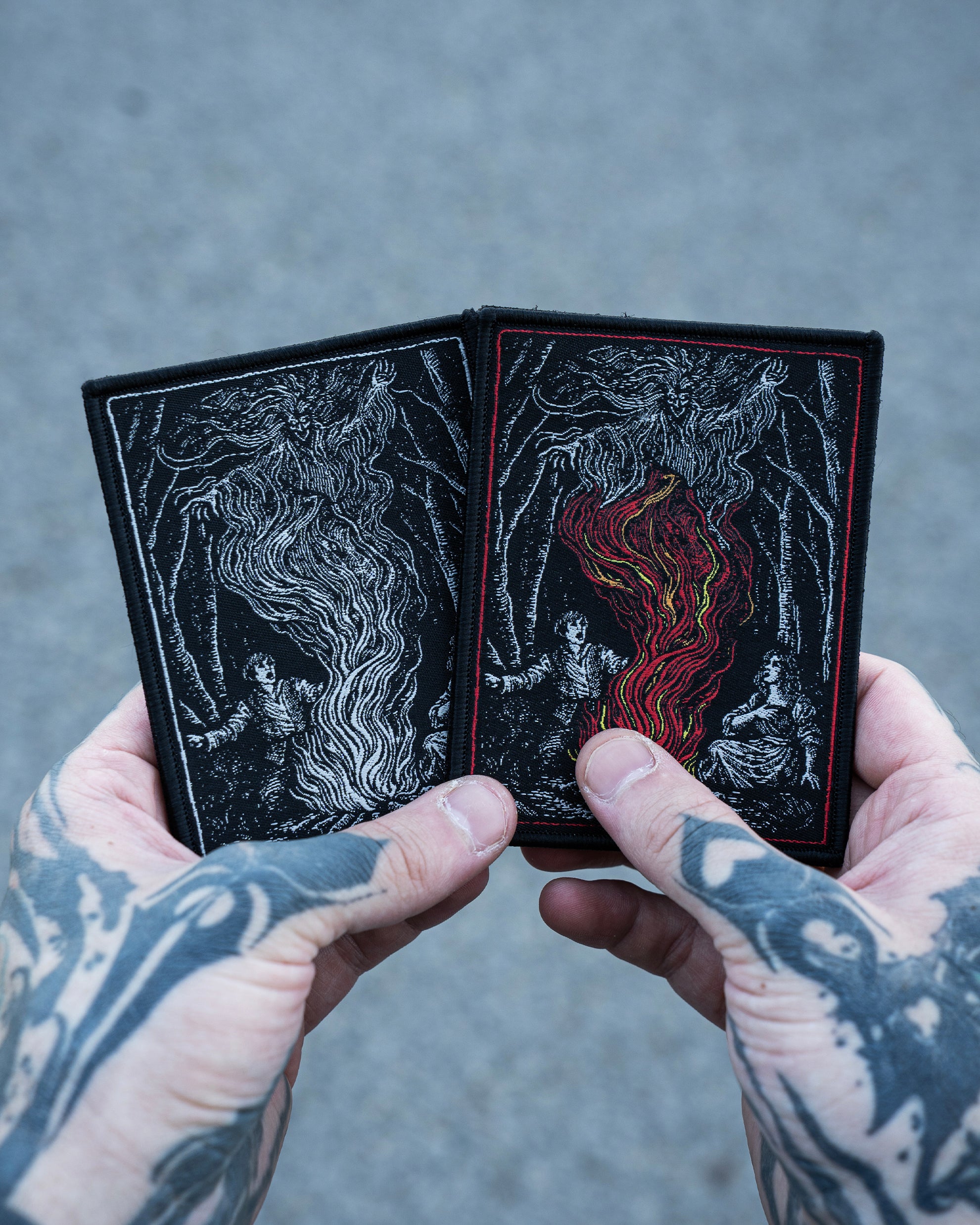
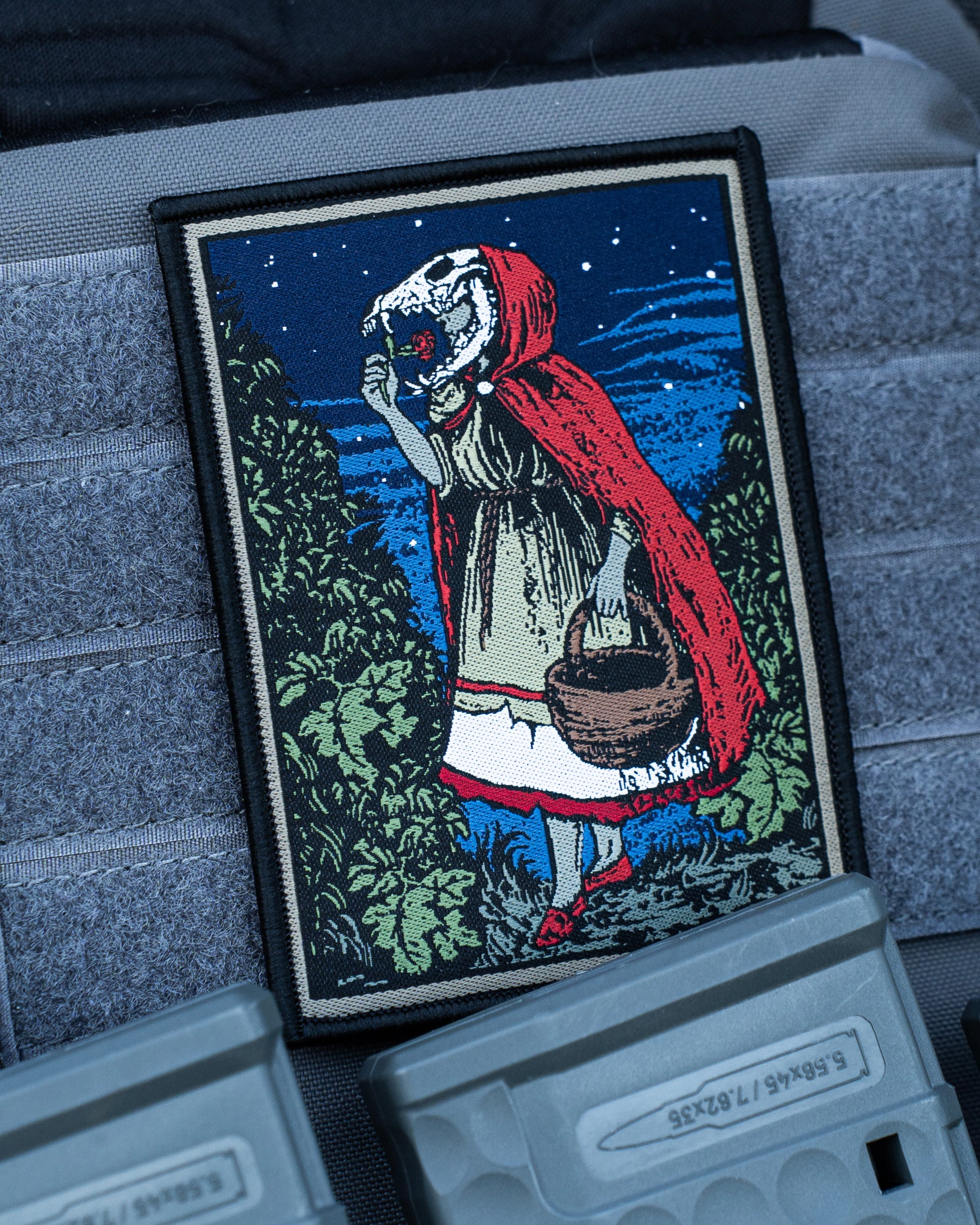
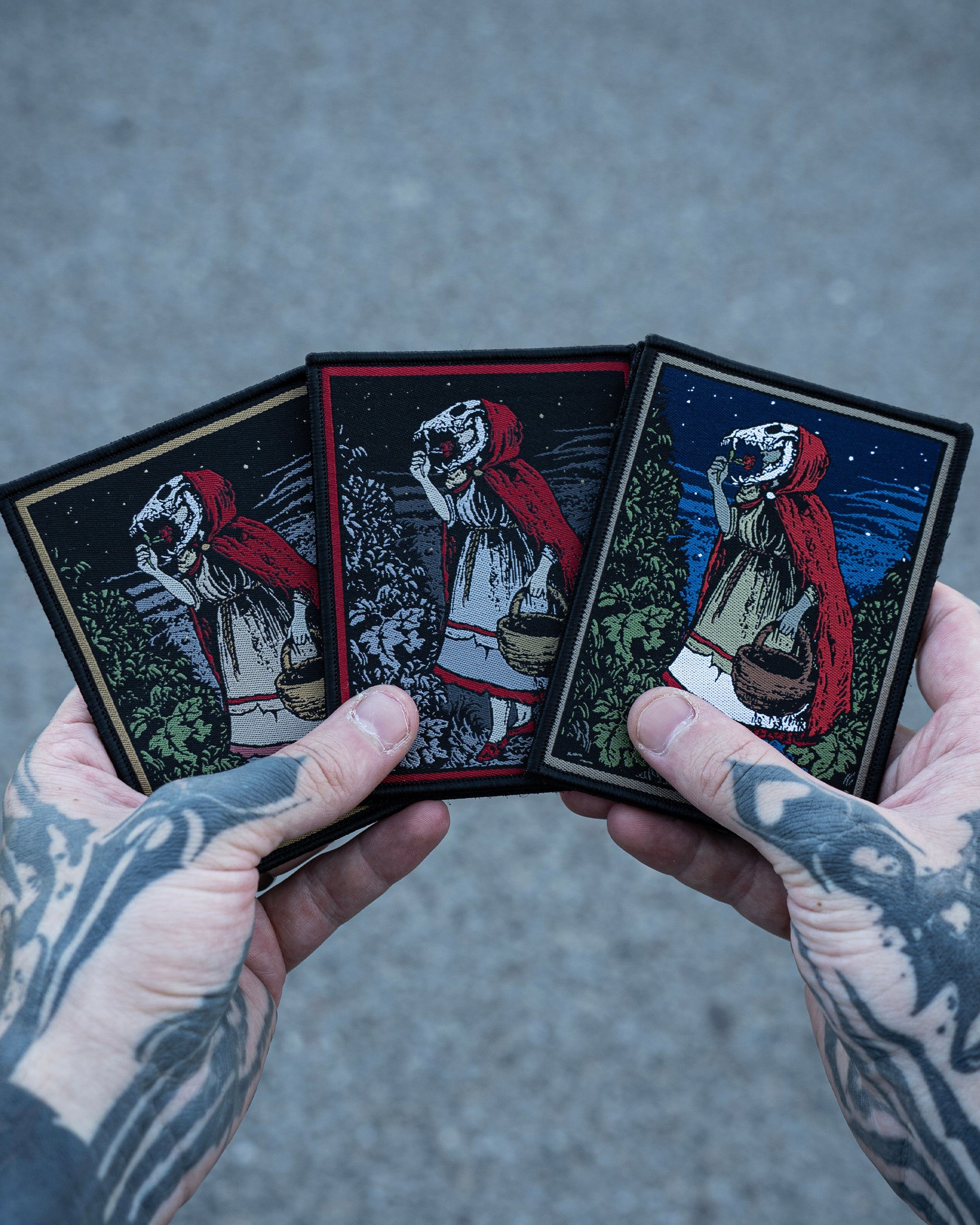
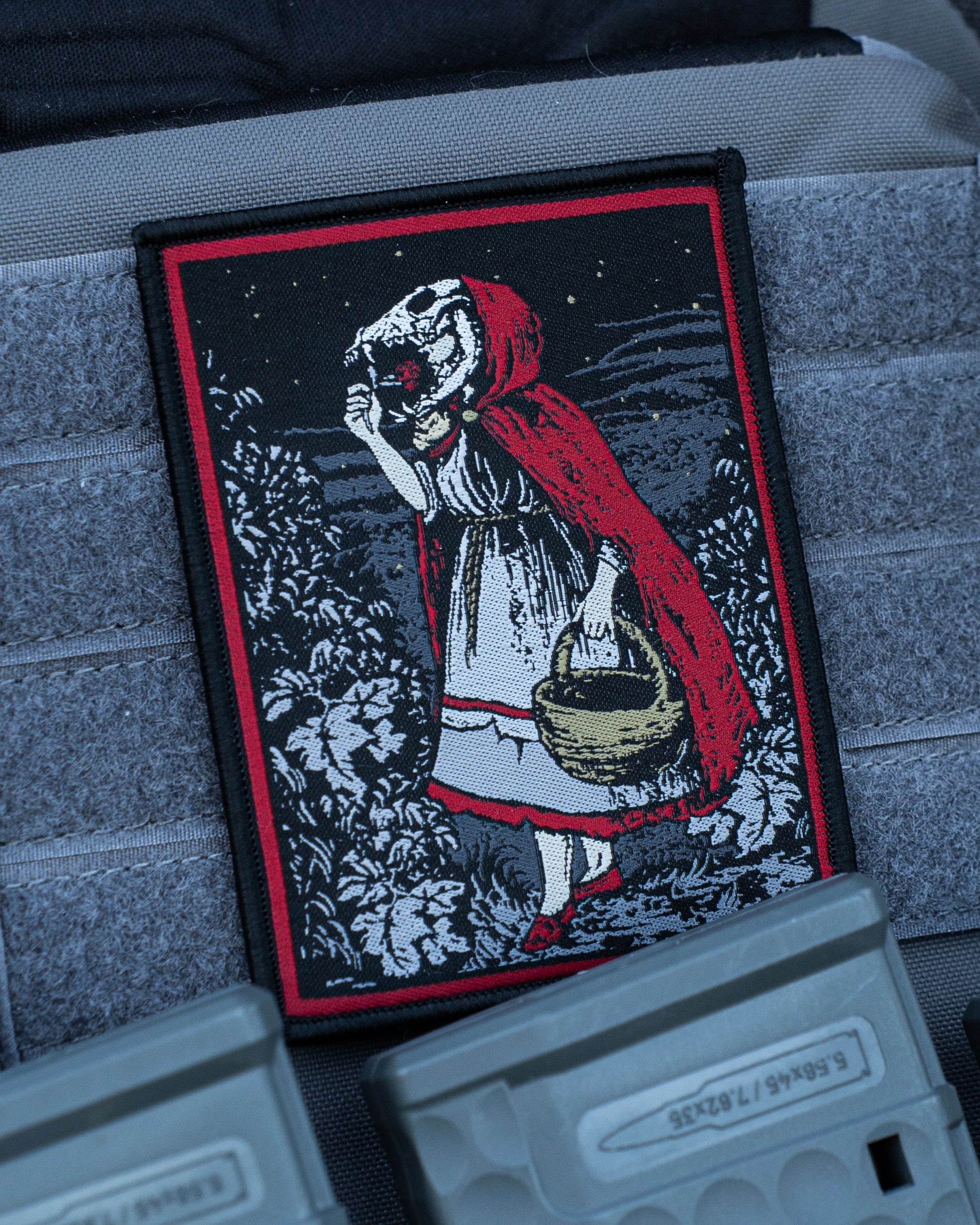
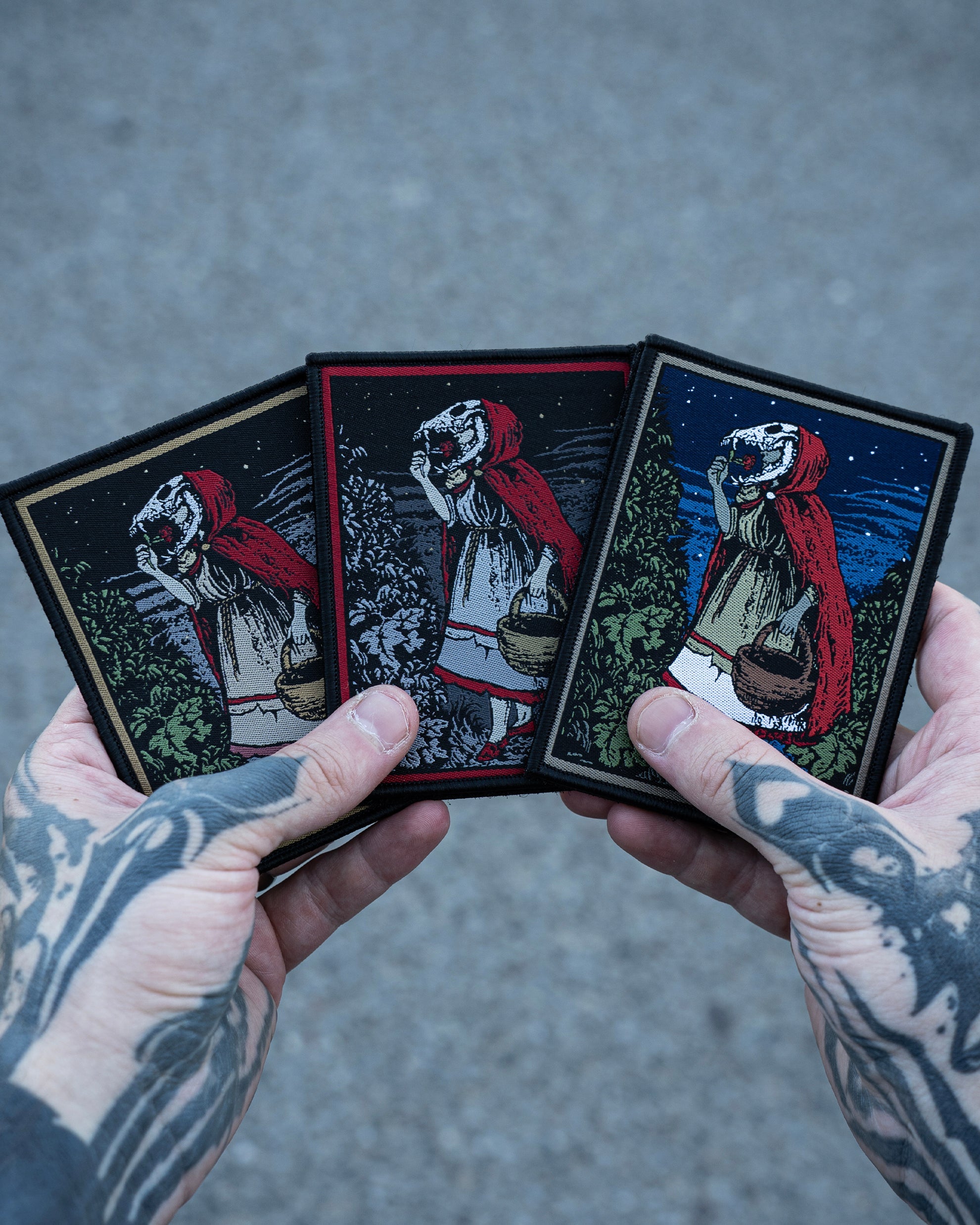
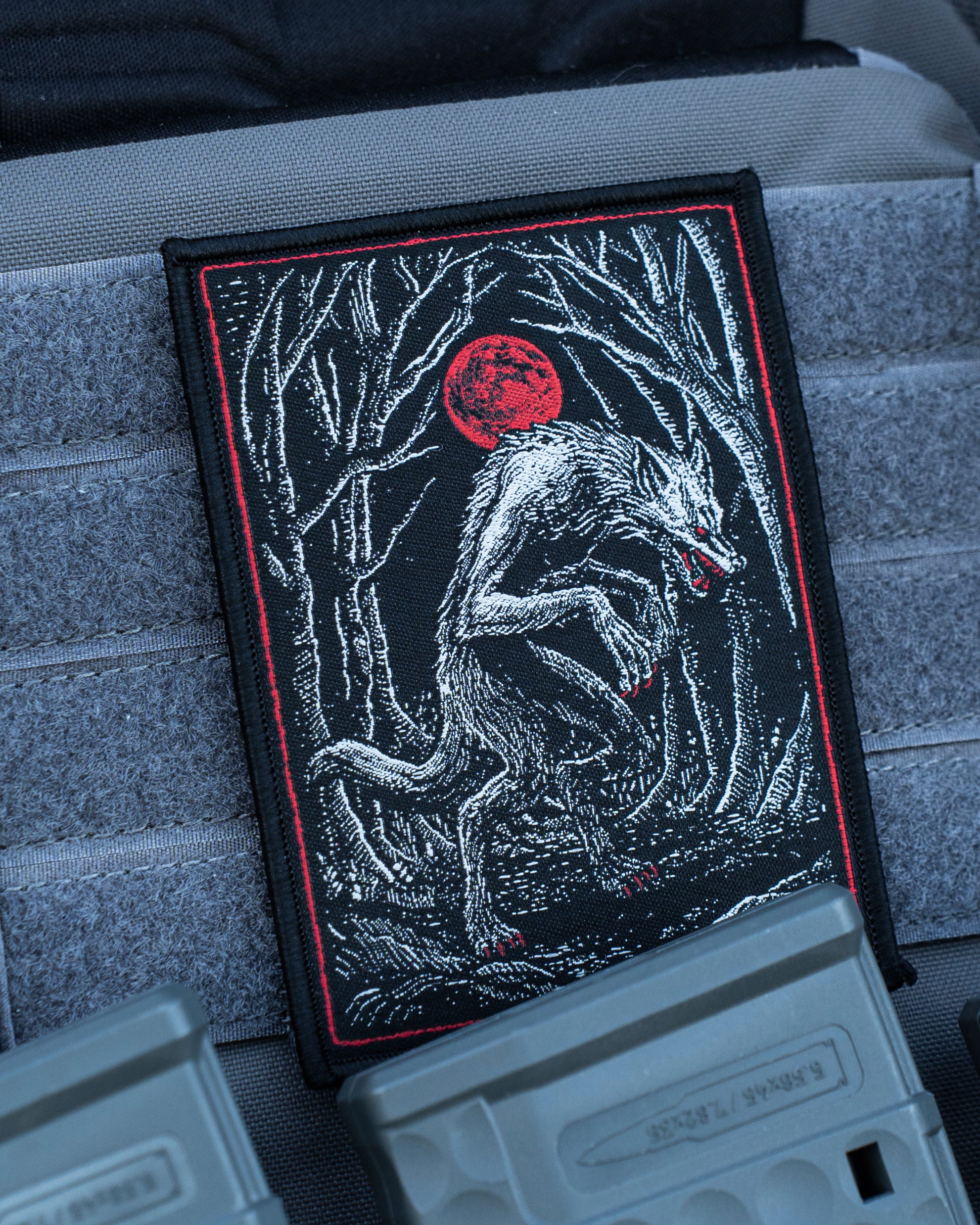
Once there was a girl whom everyone called Little Red Riding Hood because she wore a red cloak she never took off. Not in summer. Not when her mother asked her to. Not when the other children laughed at her. The cloak belonged to her the way certain things belong to certain people. Not because they chose them, but because without them they are no longer whole.
One morning her mother sent her to her grandmother with cake and wine, reminding her not to leave the path. Little Red Riding Hood promised she would not, and in that moment she truly meant it.
In the forest she met the Wolf.
He was polite and kind. He asked where she was going, and Little Red Riding Hood answered every question because that was how she had been raised. The Wolf listened, nodded, and disappeared between the trees. Little Red Riding Hood continued on her way.
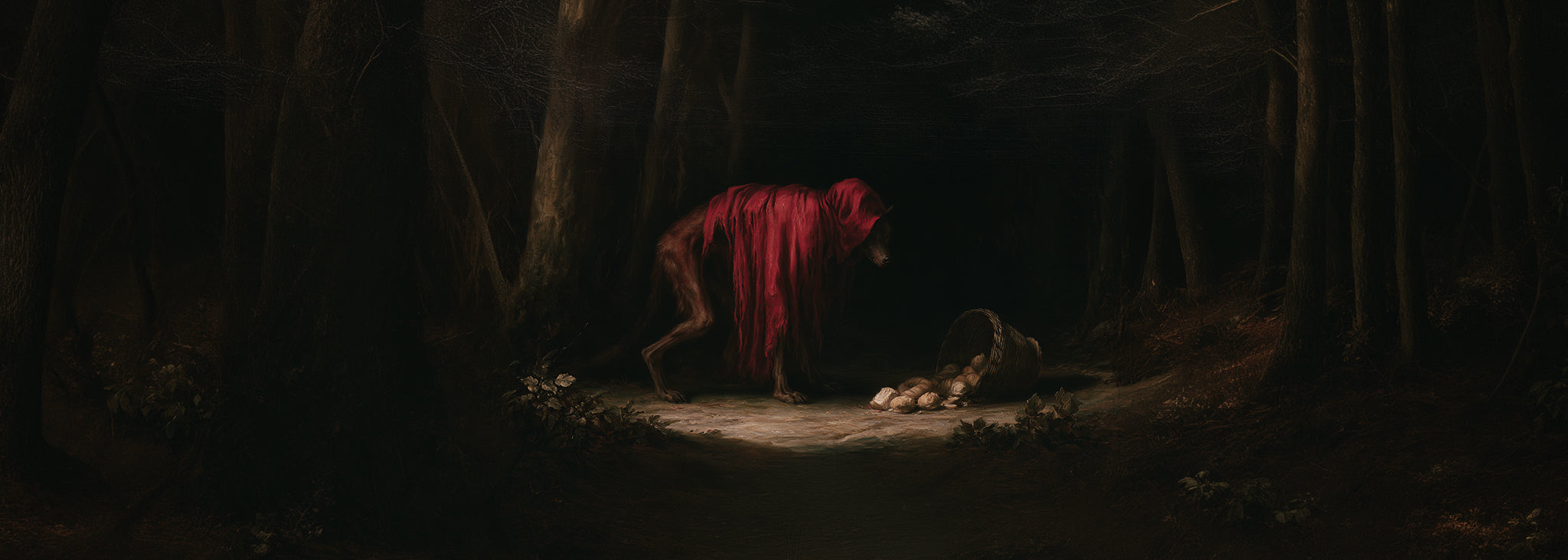
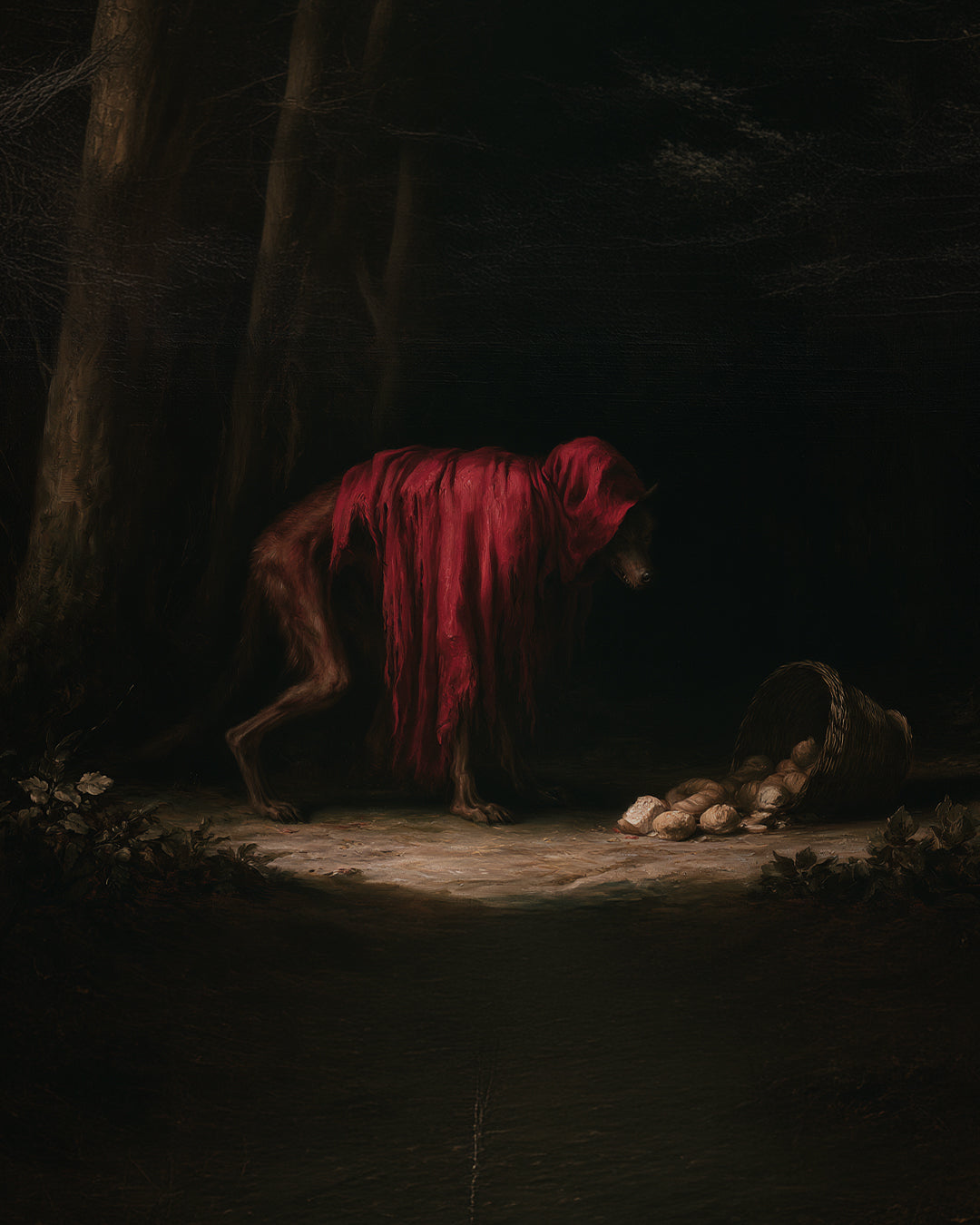
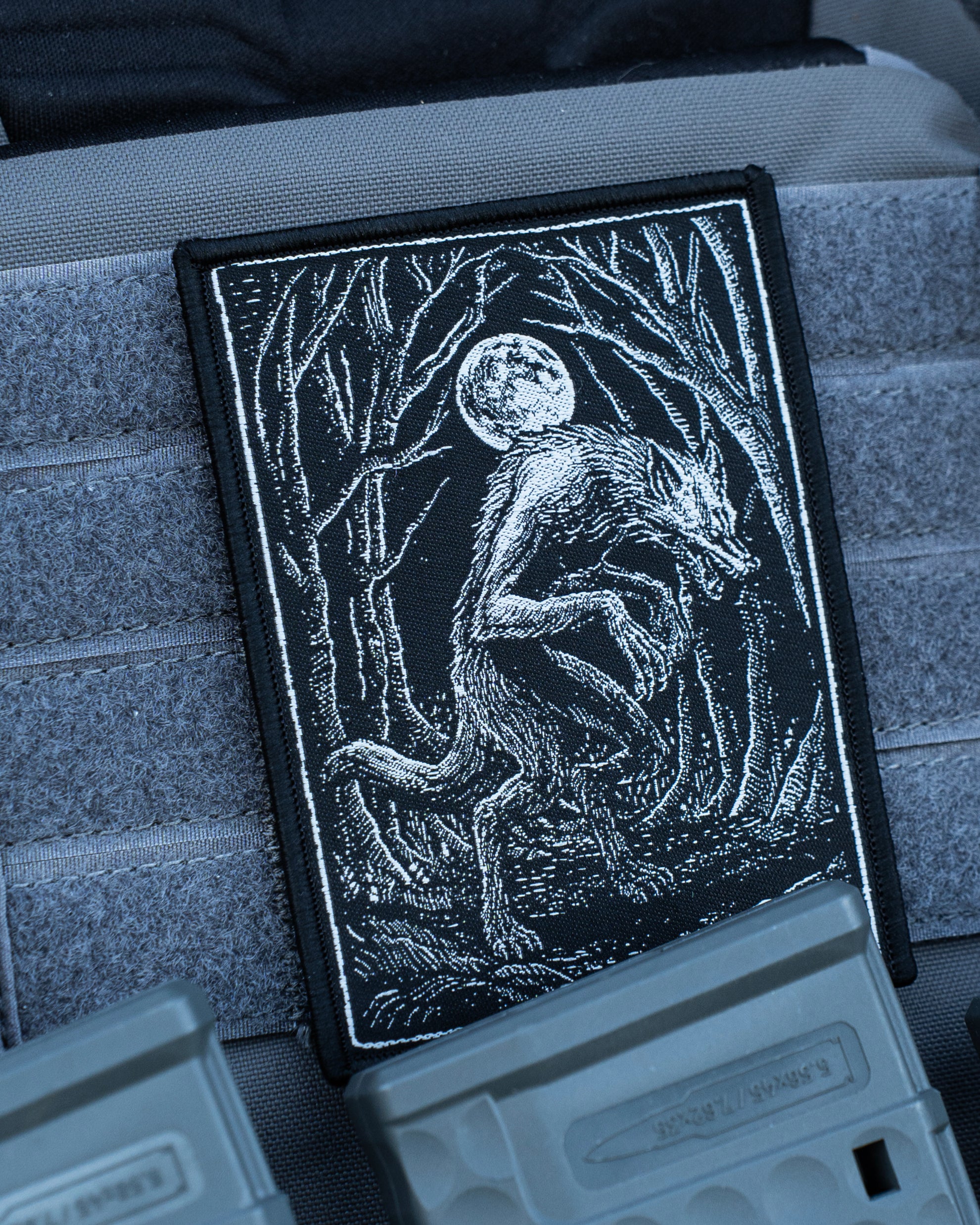
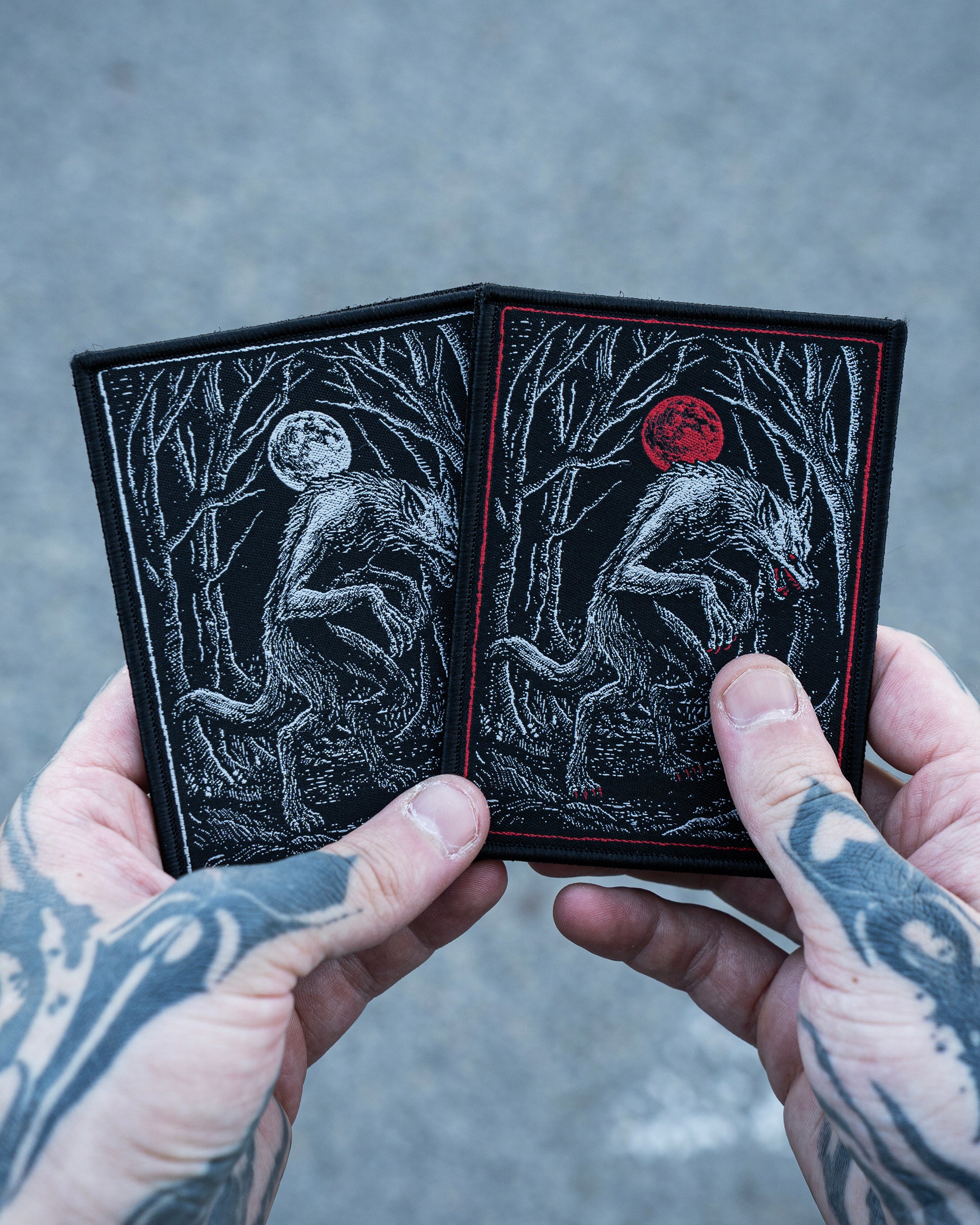
But somewhere between the first trees and the last, something began to pull at her. Deep inside. In a place she could never name, yet had always felt. On long nights. Beneath the full moon. In those moments when the hunger grew larger than it ever should.
She left the path.
Not because someone had called her. Because something inside her knew she belonged there. In the darkness between the trees where the light never reached. She ran. At first on two legs, then no longer.
Grandmother opened the door when she heard the knock.
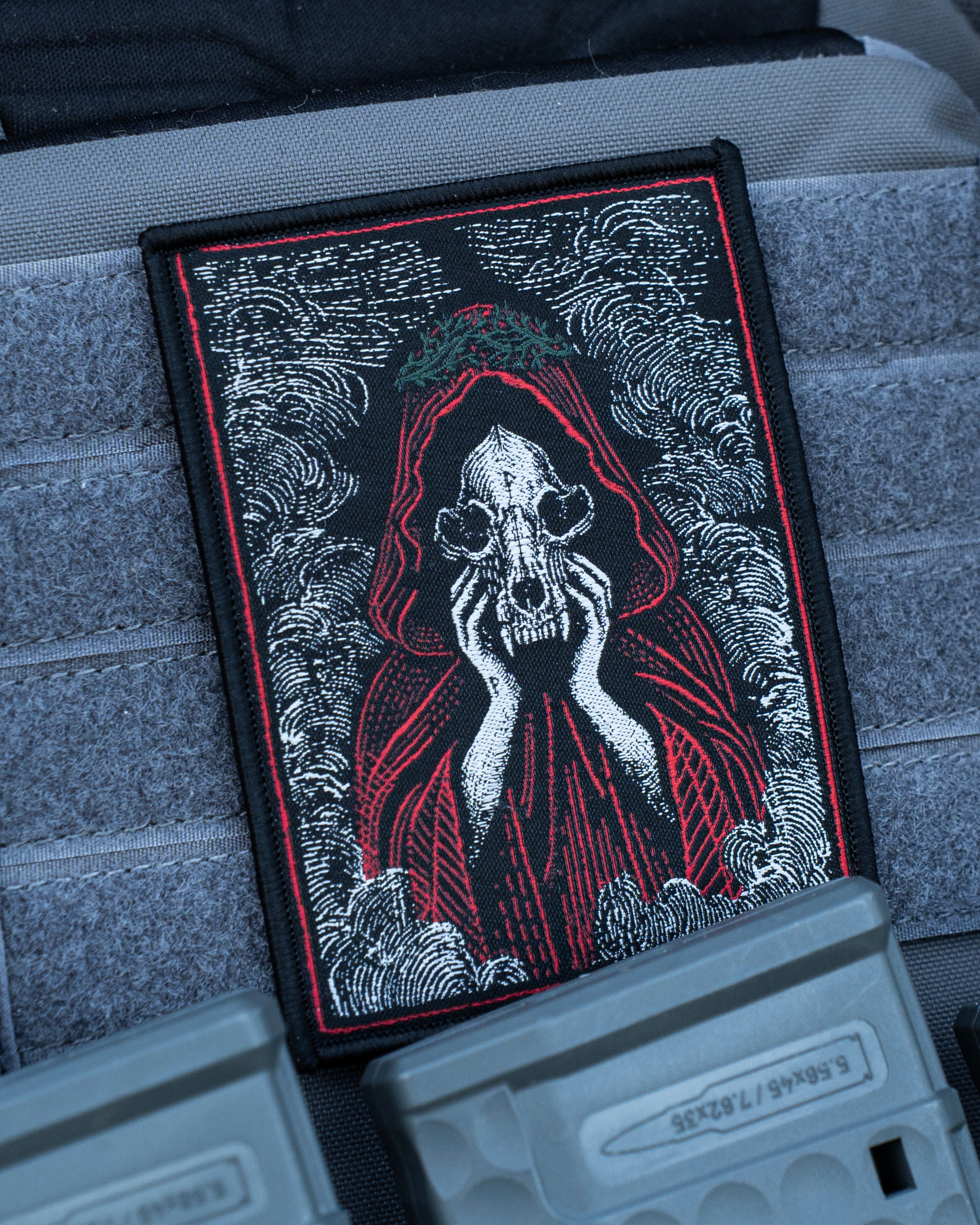
She saw Little Red Riding Hood standing there, her red cloak neatly draped across her shoulders, the basket in her hand. Her face looked exactly as it always had. Only her eyes were different. Too calm. Filled with a silence that did not belong to a child who had just walked through the forest.
“Come in, my dear,” Grandmother said.
Little Red Riding Hood stepped inside. She placed the basket on the floor, pulled the hood lower over her face, and smiled. Not the smile of a child visiting her grandmother. The other smile. The one that only came when the moon was full and the hunger returned.
Grandmother wanted to speak.
She never had the chance.
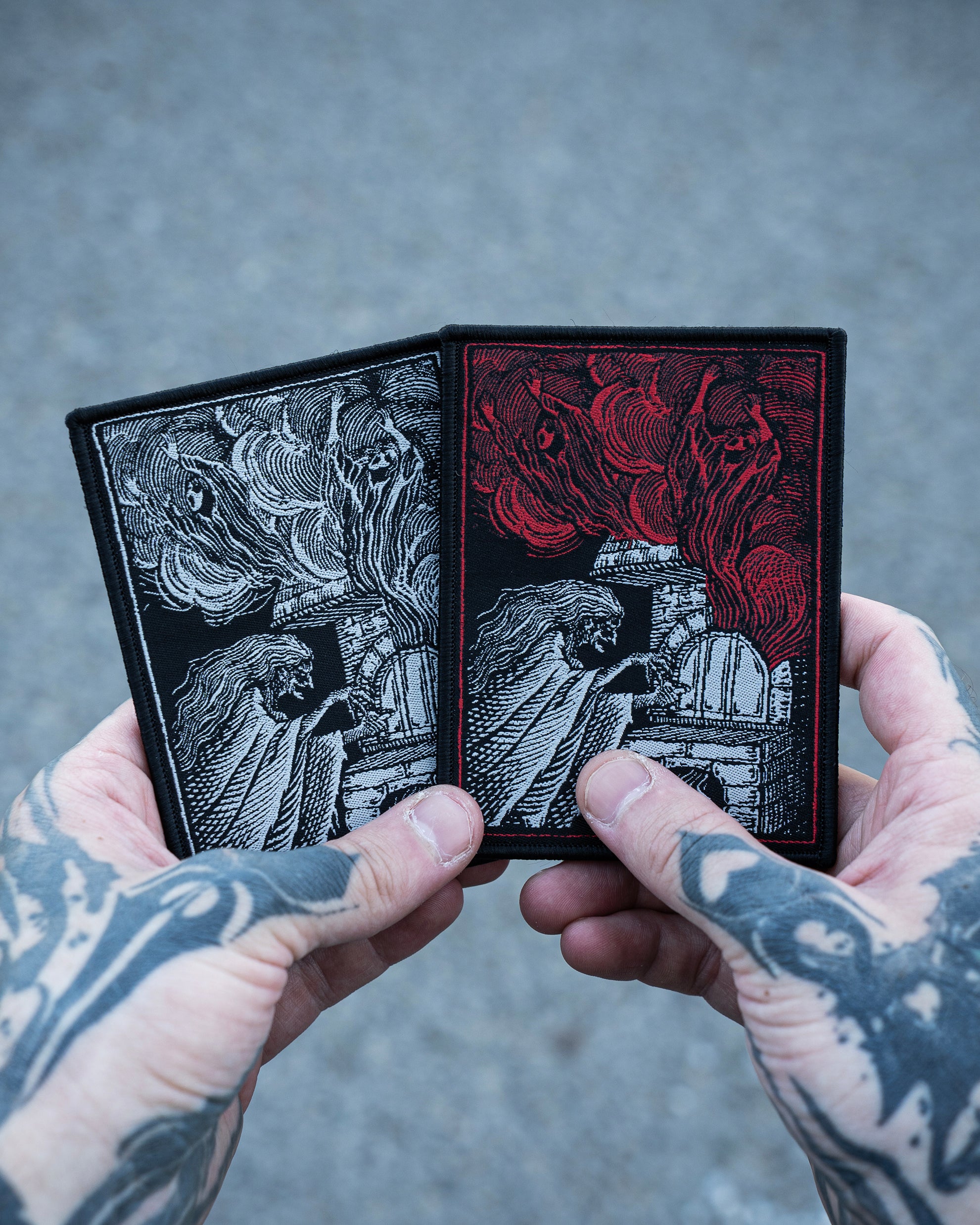
The Hunter never passed through the forest that day. But by then it no longer mattered. Those who arrived later found only an empty house, a cold fireplace, and on the floor beside the bed, a red cloak that had been abandoned like something no longer needed.
Far beyond the path, deep within the forest, there were tracks in the earth. They began like those of a child. At some point they stopped being a child’s.
And it was written:
They sent the girl into the forest.
The Wolf never came back.
Neither did the girl.
Since then it has been said:
Some children do not leave the path because they are tempted.
They leave it because, at last, they are allowed to.
Hansel and Gretel
Once there was a woodcutter who lived with his wife and his two children at the edge of a great forest. The boy was called Hansel and the girl Gretel. They were still young and knew very little about the world, but they knew they loved their parents, and they believed that would be enough.
It was not.
A famine fell upon the land. Bread grew scarce, and the nights grew longer. One evening Hansel and Gretel heard their mother through the thin wall as she said to their father, “We cannot feed all four of us. Tomorrow morning we will take the children into the forest and leave them there.”
For a long time, their father said nothing.
Then he said yes.
Hansel waited until his parents were asleep. He slipped outside and filled his pockets with white pebbles that glowed beneath the moon. The next morning they walked into the forest, and Hansel dropped the stones one by one until he found the way home again.
When they returned, their mother said nothing. Neither did their father.
Three days later they led them into the forest once more. This time Hansel had nothing but bread in his pocket, and the birds devoured the crumbs before evening came. They walked and walked until the path was gone, and after two days without food they could barely stand.
Then the forest opened.
They saw the house.
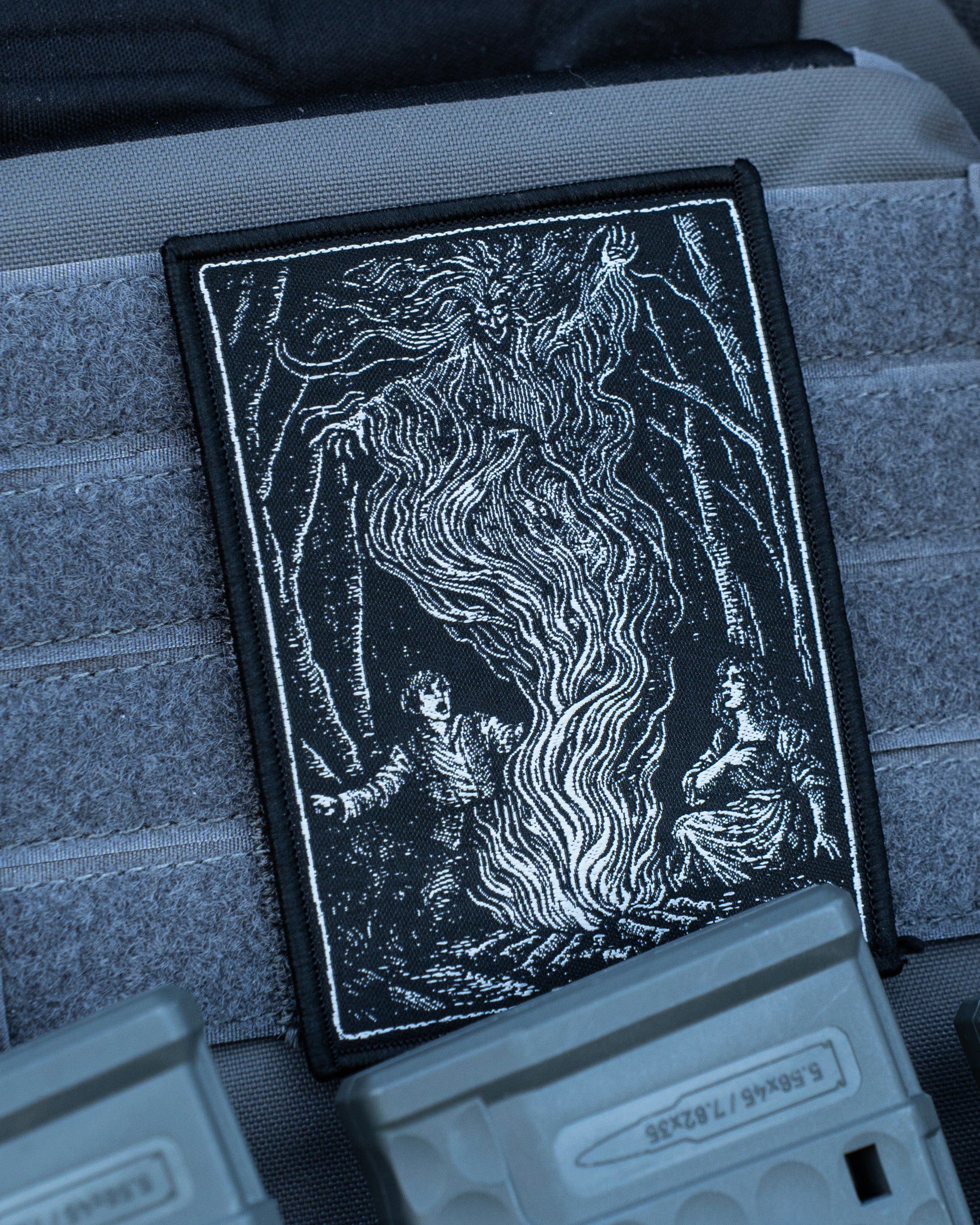
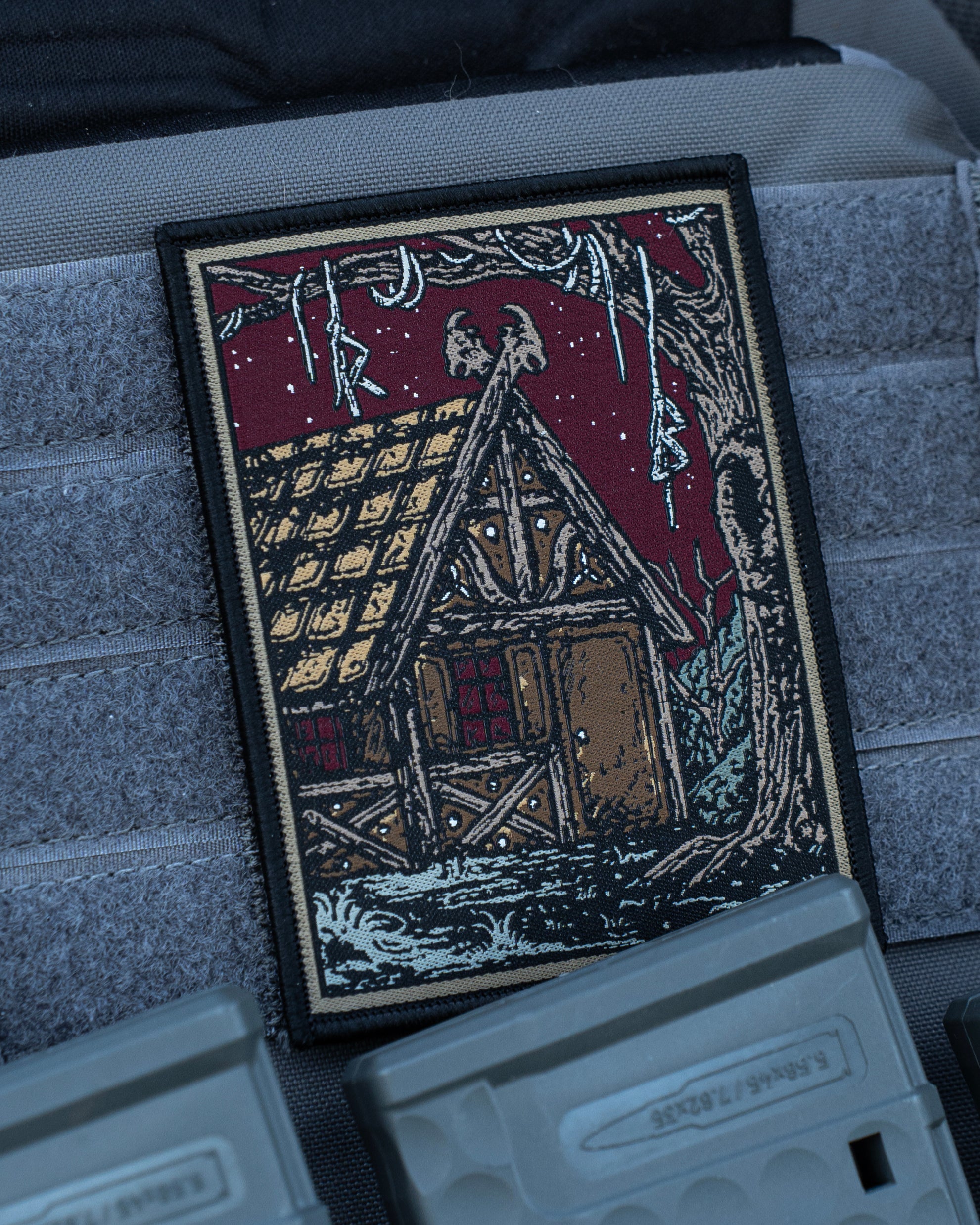
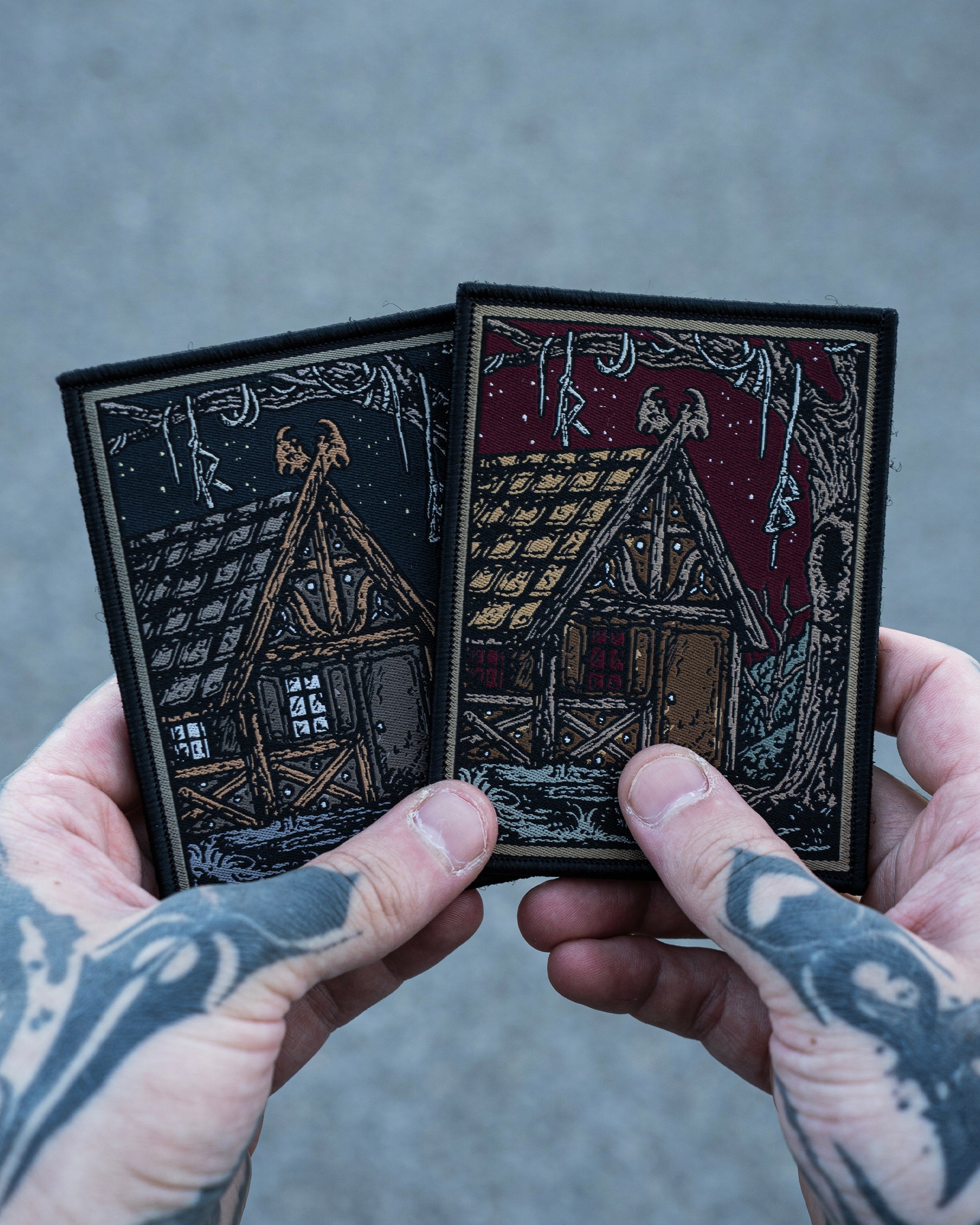
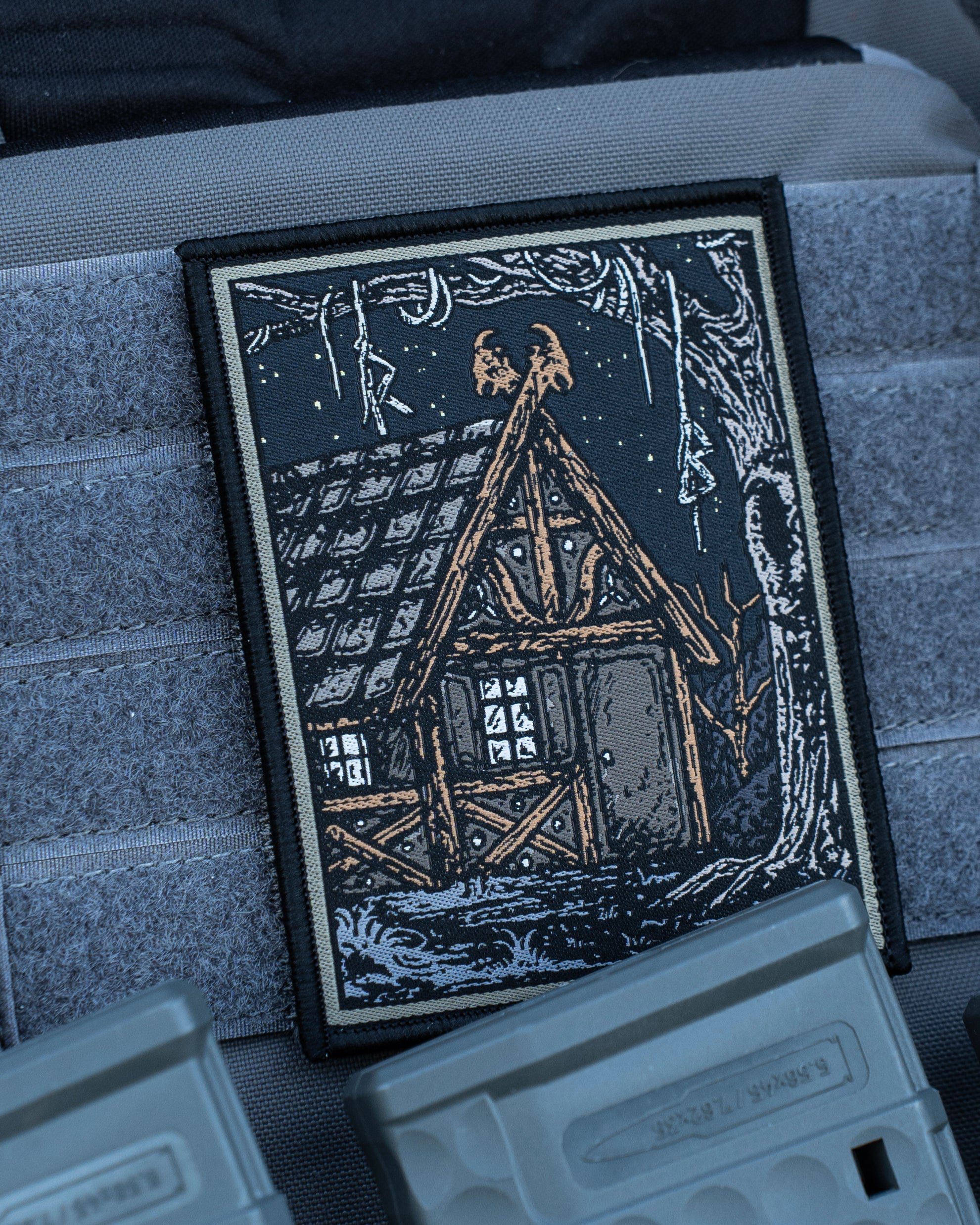
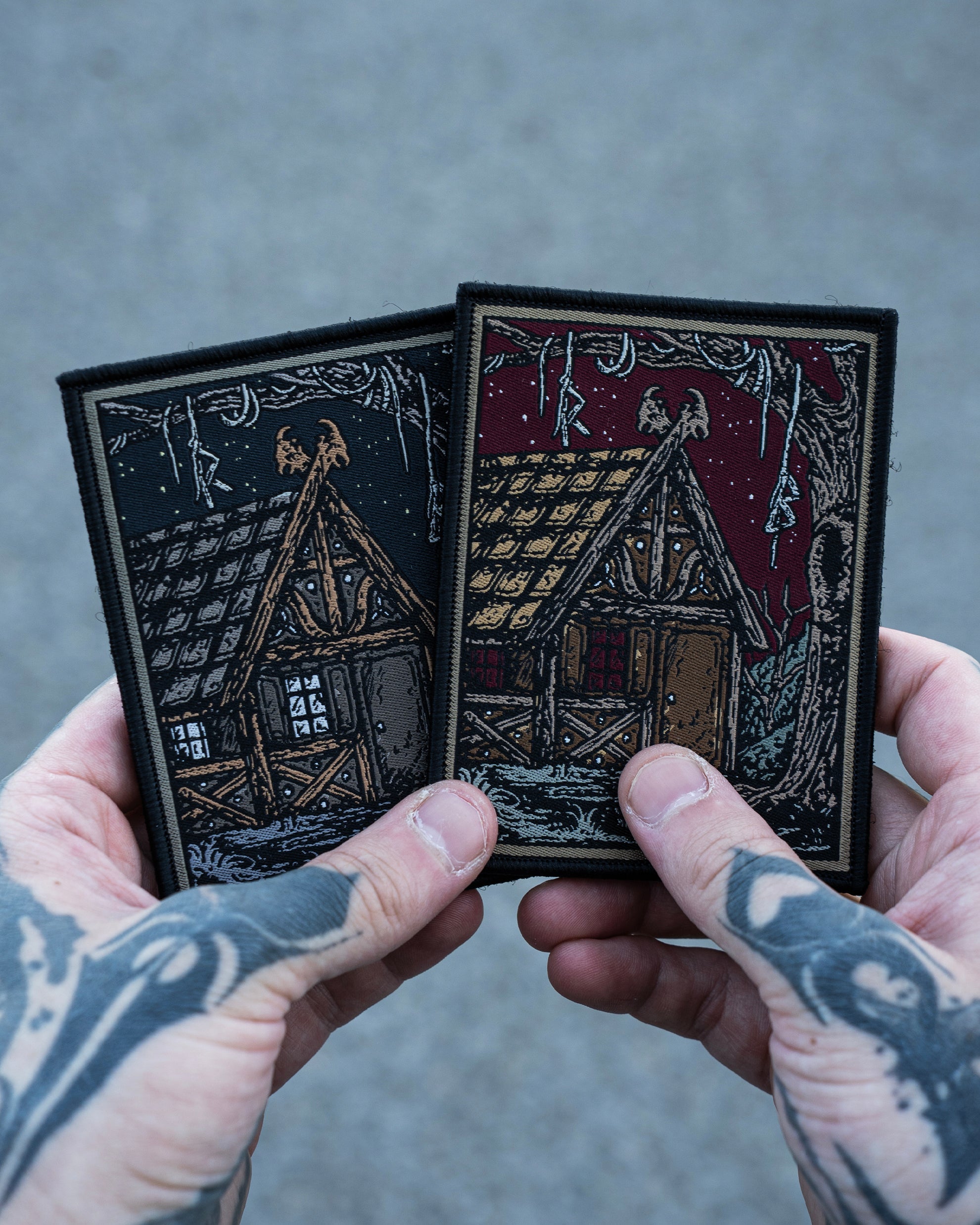
It was small and crooked, carrying the scent of sugar and warm wood. Its walls were made of gingerbread. Its roof shimmered with honey. Ancient wooden runes hung from the beams, turning slowly although there was no wind.
Hansel broke off a piece of the wall and ate. Gretel did the same. They ate because they had not eaten for two days. They ate because the house stood there as though it had been built for them.
It had.
“Who is nibbling at my little house?” called a voice.
The door opened, and an old woman stepped outside. She was small and bent, with eyes far too bright for her face. She spoke gently. She welcomed them inside, fed them until they could eat no more, and laid them in soft beds. Hansel and Gretel fell asleep the way children do when they believe they have finally arrived somewhere safe.
The next morning she locked Hansel inside a cage made of oak. Each day she came to him and asked him to hold out his finger so she could feel whether he had grown fat enough. Each day Hansel held out a bone he had found in the straw. Each day the old woman nodded.
“Not yet,” she would say.
Then she left.
She knew about the bone. She had played this game with a hundred other children. She had felt the same bone a hundred times and pretended to be fooled a hundred times. She allowed the game to continue because waiting made children soft. Because a child who still believes there is a way out remains quieter than one who knows the truth.
After four weeks she said, “Today we bake.”
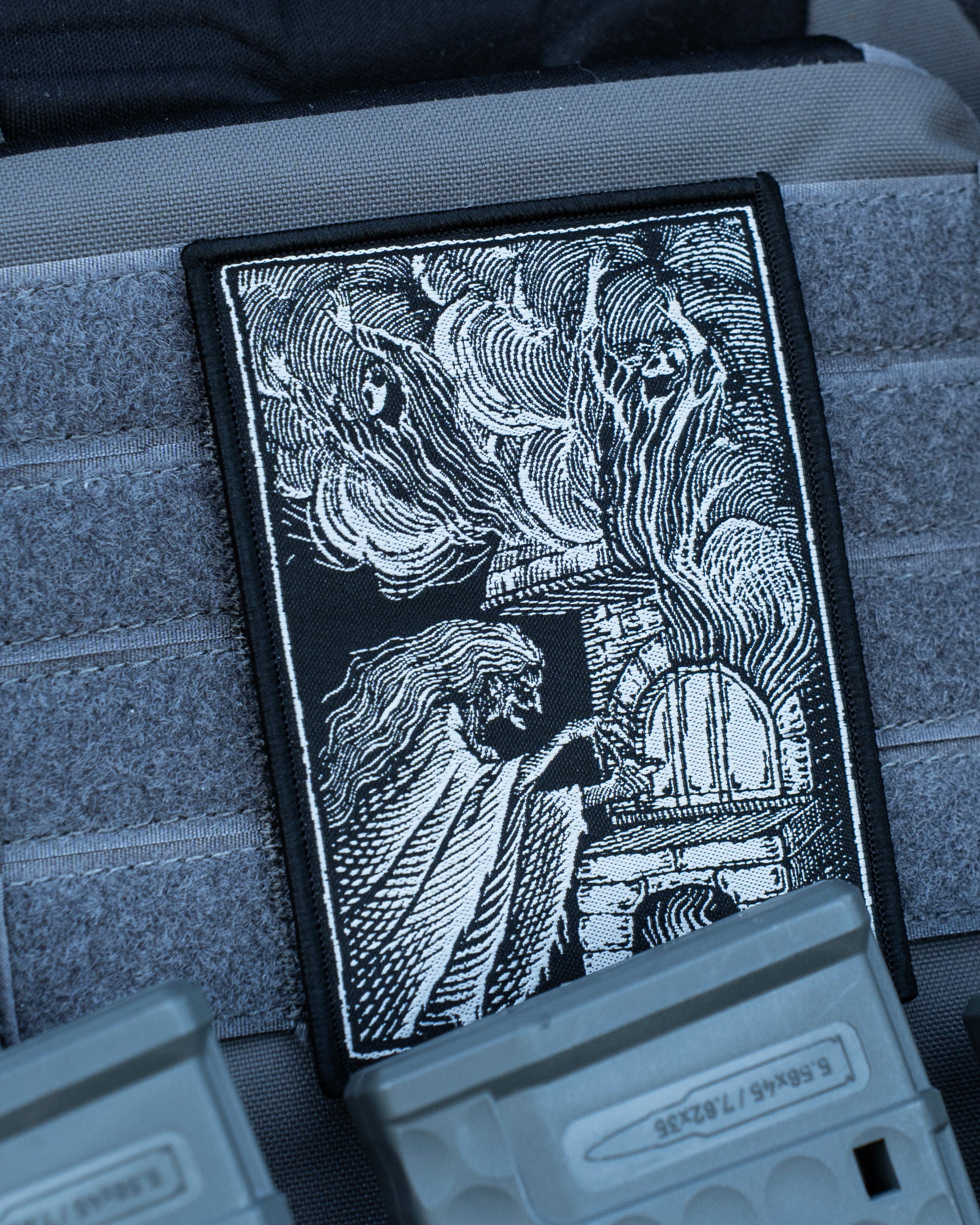
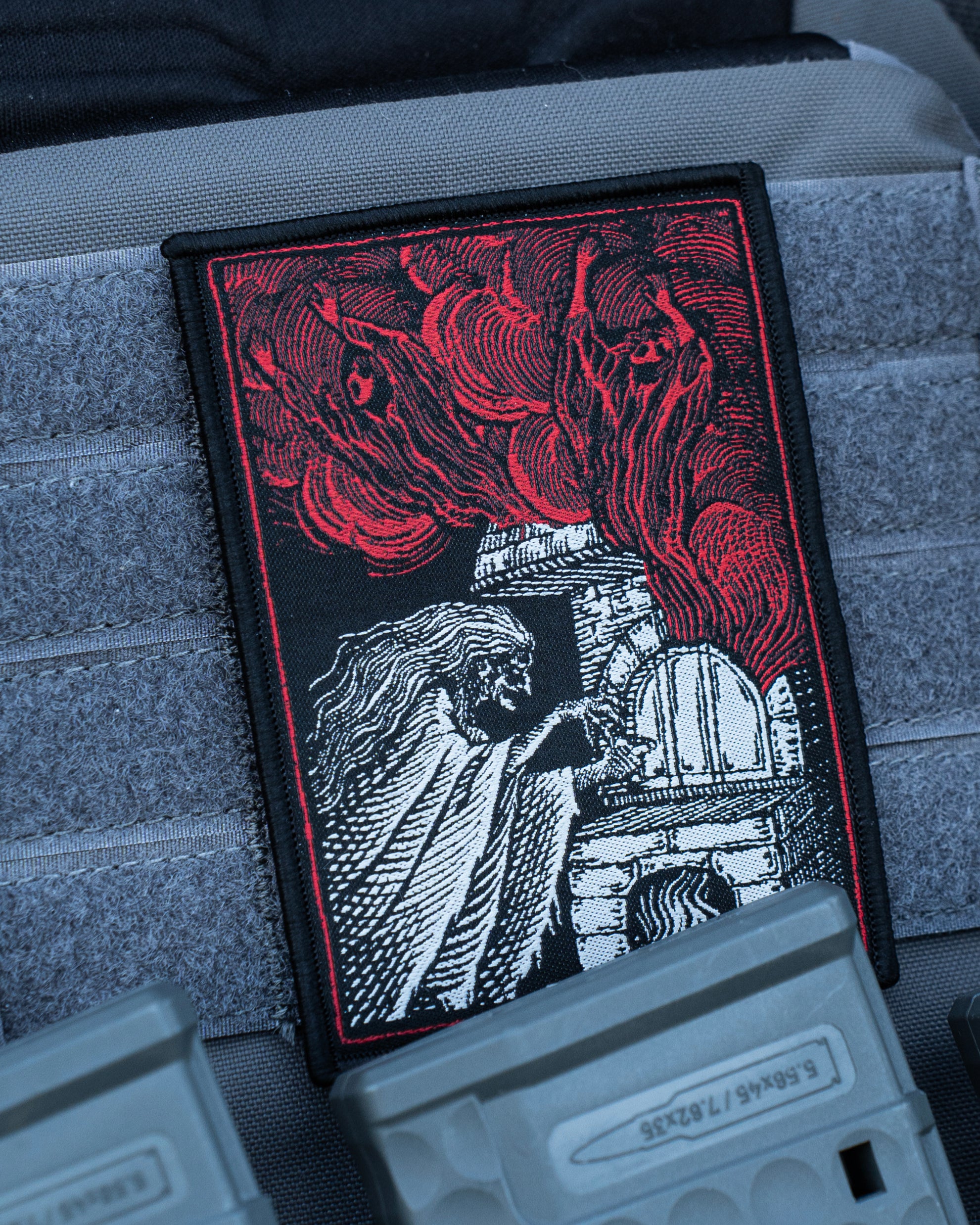
She lit the oven and asked Gretel to look inside to see whether it was hot enough. Gretel looked and said she did not know how to tell. The old woman sighed, stepped closer, and leaned toward the fire.
In that moment Gretel stood perfectly still.
Much later, she would never be able to say why. Perhaps it was fear. Perhaps it was something greater than fear. Something that could not be called courage either. Courage sounds simple in fairy tales. It does not feel simple when you are truly standing there, your hands trembling before someone who has already outlived a hundred children.
Her hands did not move.
The old woman straightened and turned to face her. She looked into Gretel’s eyes and smiled. It was the smile of someone who had expected exactly this. Someone who had always expected it from every child who had ever stood before her.
“I only wanted to see if you would try,” she said.
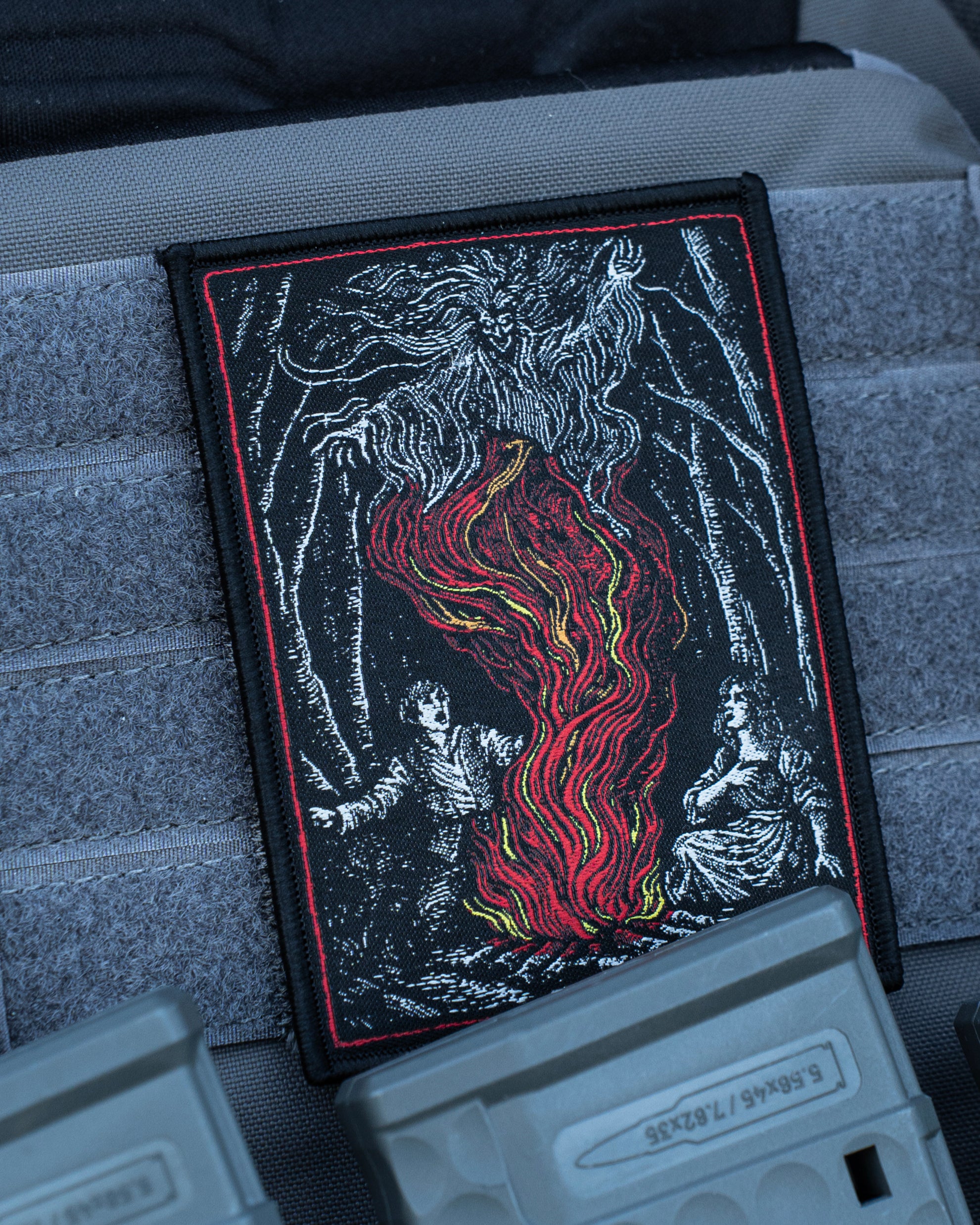
The smoke that later rose from the chimney was heavy and sweet. Anyone who watched it long enough could make out two small faces inside it. Their mouths were open, as though they had still been trying to say something.
The house remained in the clearing for many years. It still smelled of sugar. The runes continued to turn.
And it kept waiting.
And it was written:
Their parents abandoned them.
The house welcomed them.
No one came looking.
Since then it has been said:
Whoever eats what was never theirs has already paid the price.
They simply do not know it yet.
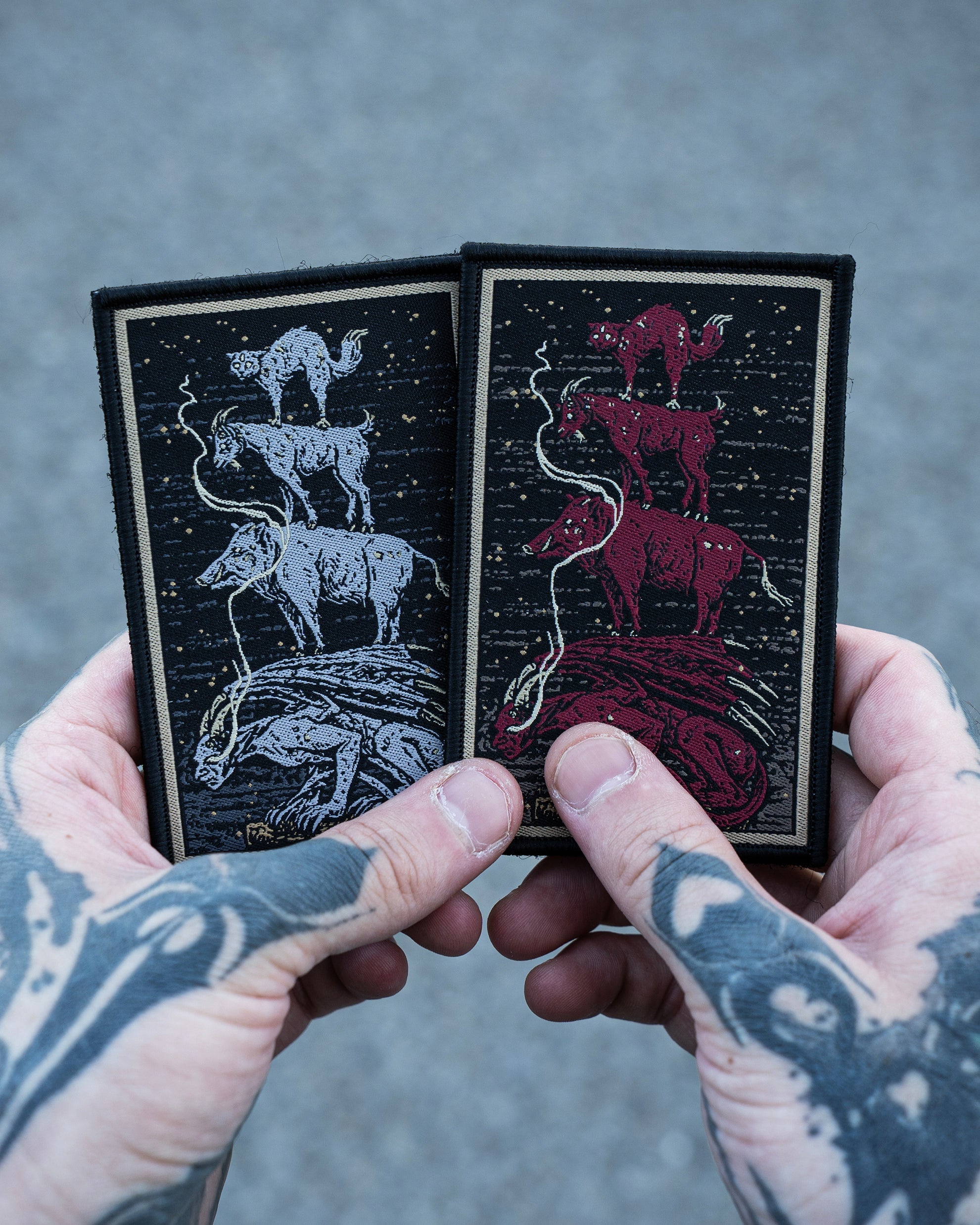
The True Town Musicians of Bremen
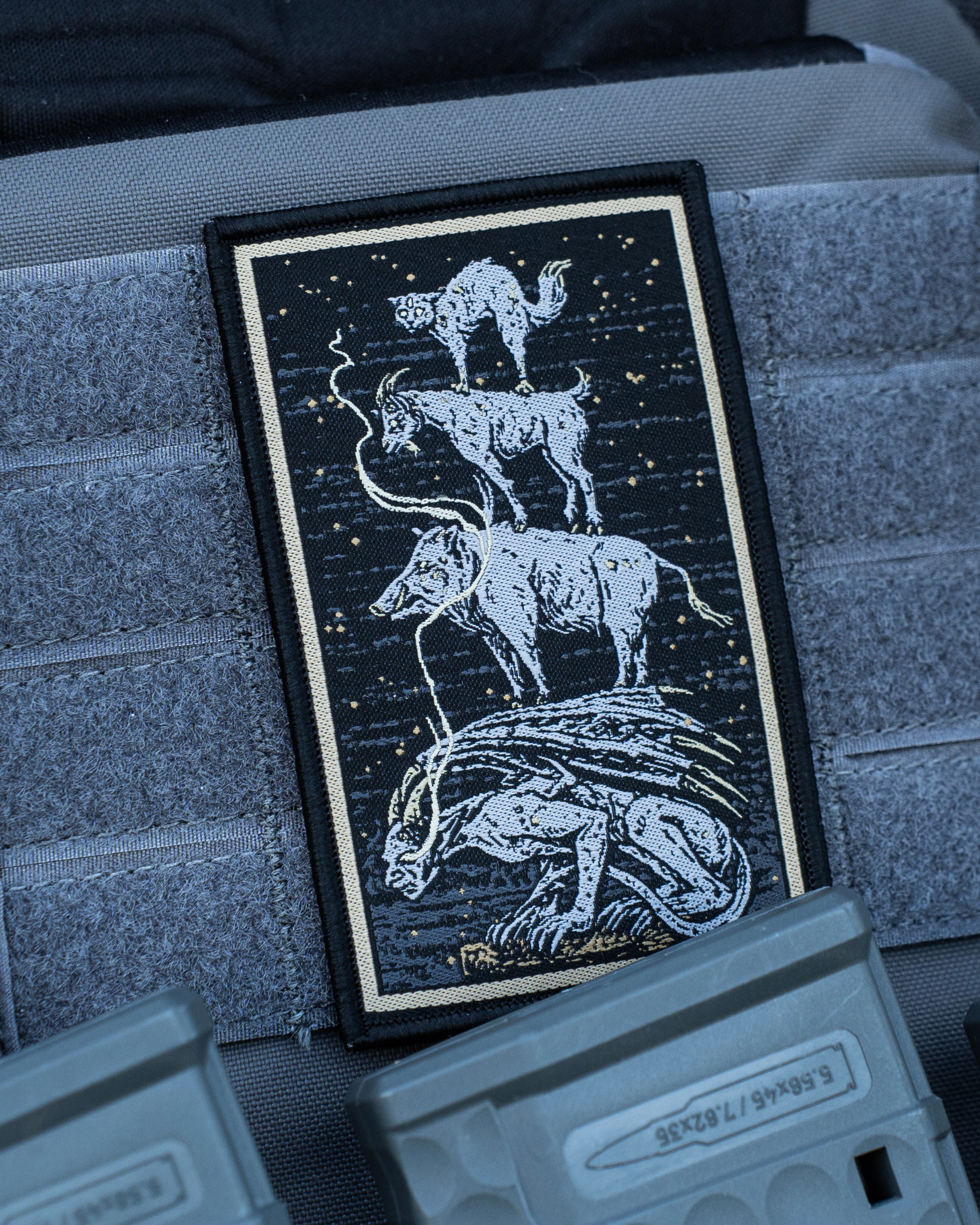
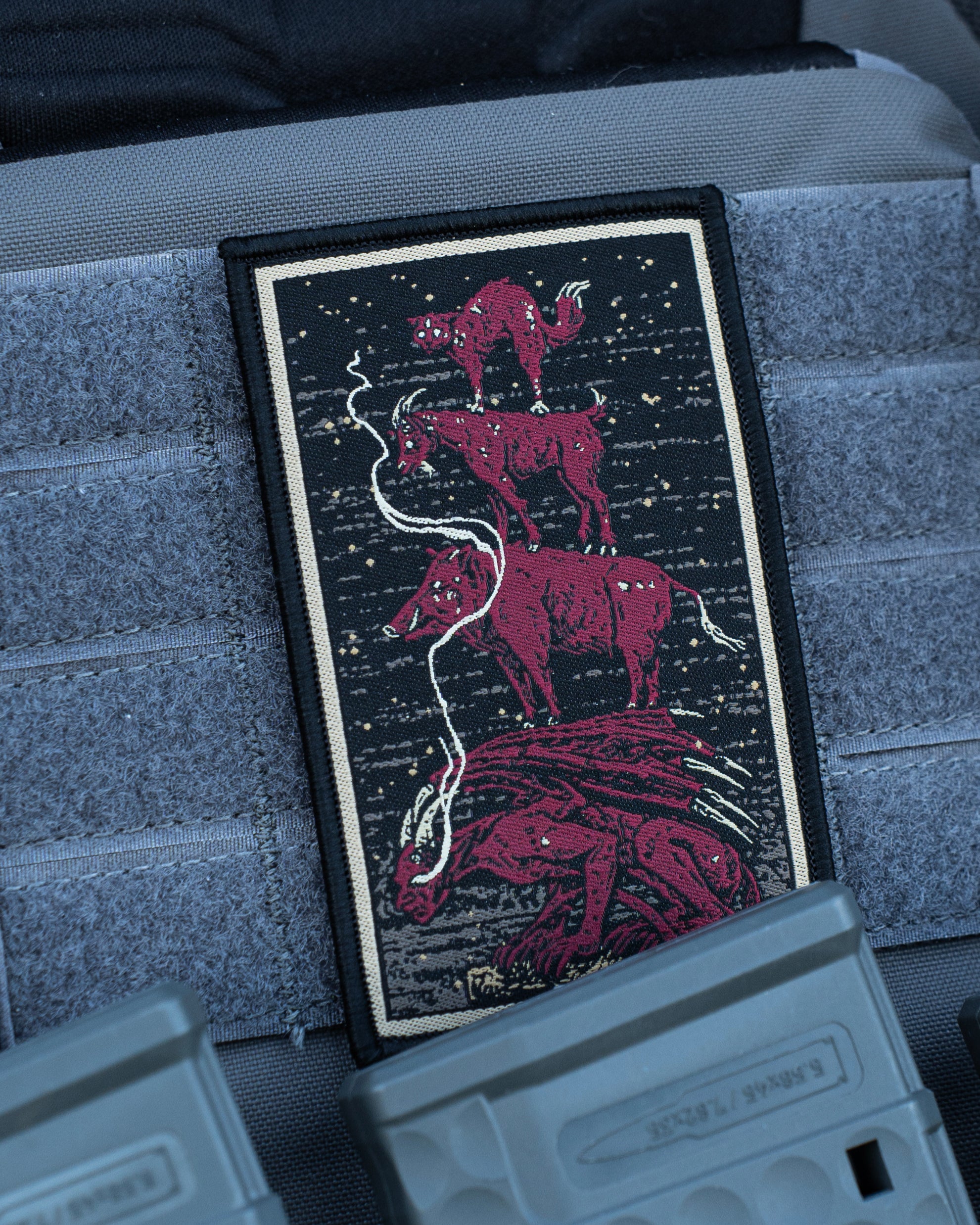
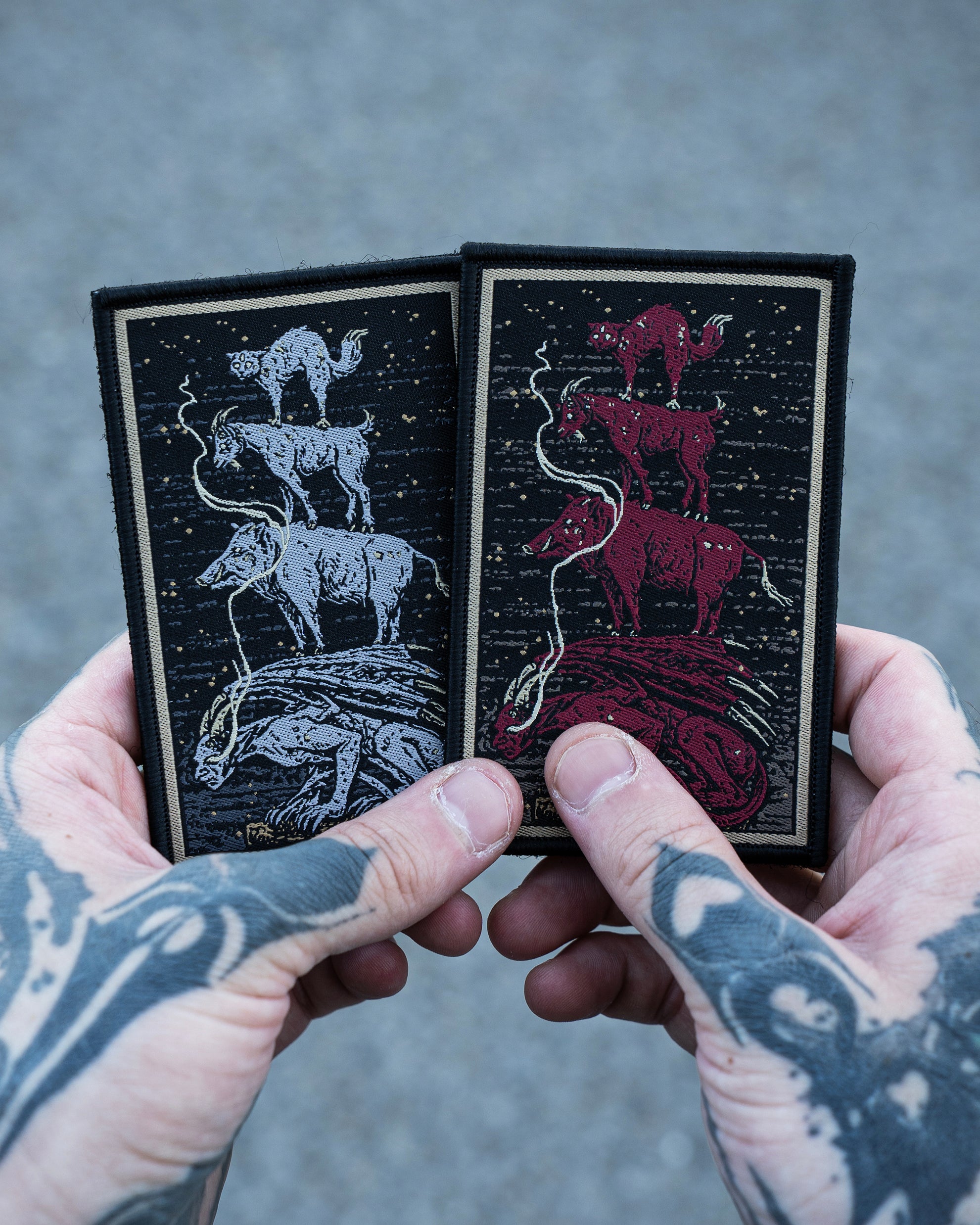
Once there was a cat with three eyes. The third rested between the other two, set a little higher, a little darker. It saw things the first two did not. Perhaps things they refused to see.
On the farm where she lived, she was feared. And whatever is feared eventually disappears. On the night before that could happen, she ran away.
Along the road she met a goat too stubborn to remain with any herd. Then a boar who no longer answered to any farmer. Then a gargoyle sitting beside an ancient well, so perfectly still that many had mistaken him for stone until he stood up and walked with them.
None of them had a plan. They simply stayed together because together was better than alone, and because each of them had become too strange for the places they came from.
One night they saw a house with light in its windows. Inside sat a band of robbers, eating, drinking, and laughing. The goat climbed onto the gargoyle. The boar stood beside him. The cat leaped to the very top. Together they unleashed a cry that no longer sounded like animals at all.
The robbers overturned their chairs and fled into the forest without looking back.
The four entered the house. They ate what was on the table, then lay down to sleep. Only the cat remained awake. She sat by the window and watched with her third eye.
She saw the robbers waiting at the edge of the forest. She saw them whispering among themselves. She saw one of them sent back to discover what truly lived inside the house.
She said nothing.
Not because she did not care. Because there are things you can see that cannot be stopped. She had lived long enough to know the difference.
The man stepped inside. He saw the cat’s three glowing eyes and screamed. The boar hurled him against the wall. The goat struck him with her horns. The gargoyle rose slowly to his feet.
That alone was enough.
The man fled back to the others and told them of the monster he had seen. The robbers believed every word. That very night they abandoned the place.
For three days the four slept in the warm house. On the fourth day the robbers returned. There were more of them this time. They carried torches, axes, and the determination of men who had once been humiliated and refused to suffer it again.
The cat had seen it coming. She had seen it from the very first evening. Still she had said nothing. Because some things must arrive before others can begin.
The gargoyle stood in the doorway exactly as he had always stood. Heavy. Silent. With the face of a creature older than the men before him, and certain to remain long after they had been forgotten.
The robbers hesitated.
In that single moment of hesitation, the cat leaped down from the rafters into their midst with all three eyes wide open. No robber ever described what they saw inside them.
But they ran.
And this time they never returned.
The house belonged to the four of them. Not because anyone had given it to them. Because they were the only ones left. They lived there the way certain things live once they have stopped explaining themselves. Quietly. Stubbornly. Too strange for the world they had left behind.
And it was written:
They had become too strange for the world that knew them.
So they claimed another.
Since then it has been said:
Whoever sees too much becomes feared.
Whoever is feared wins in the end.