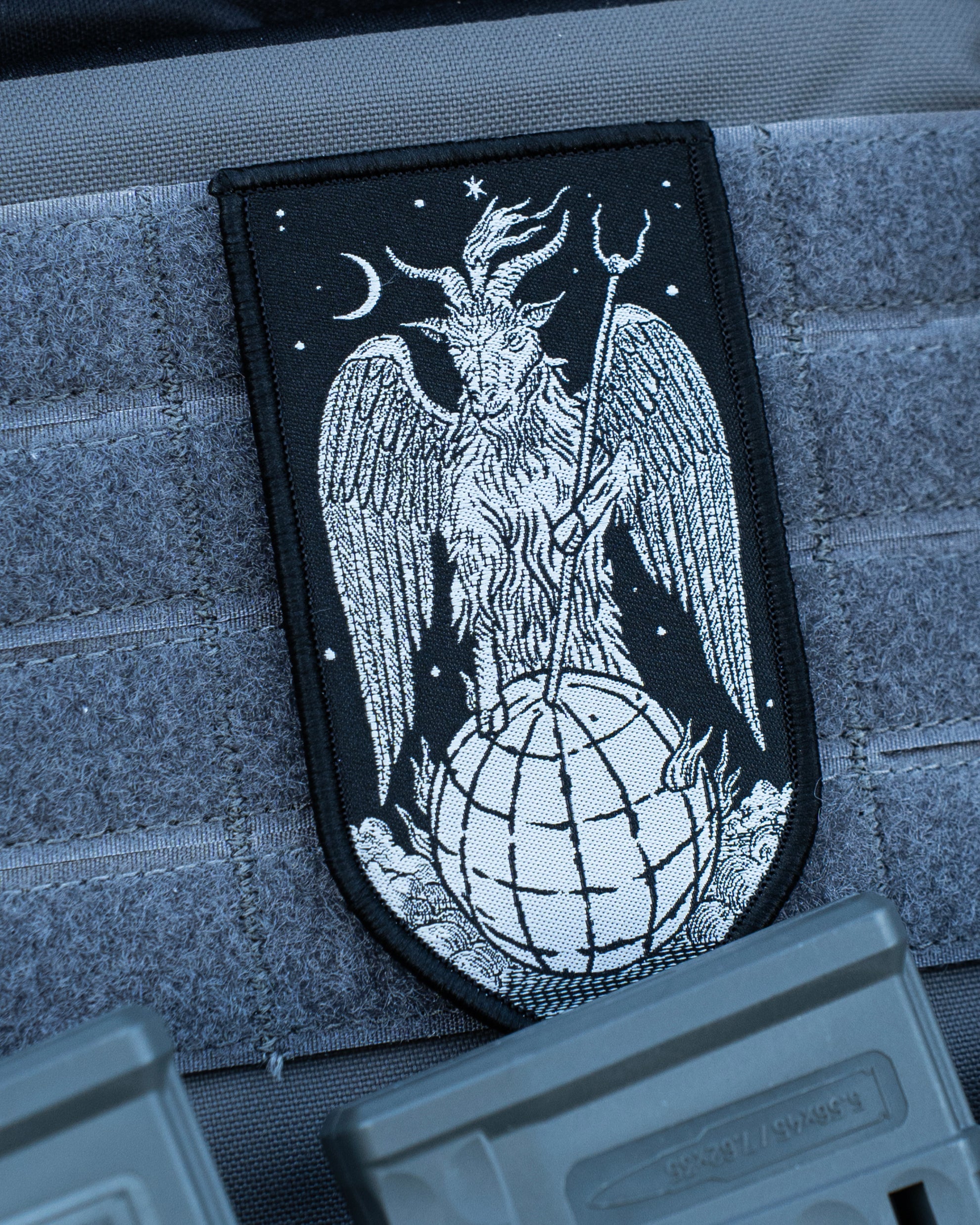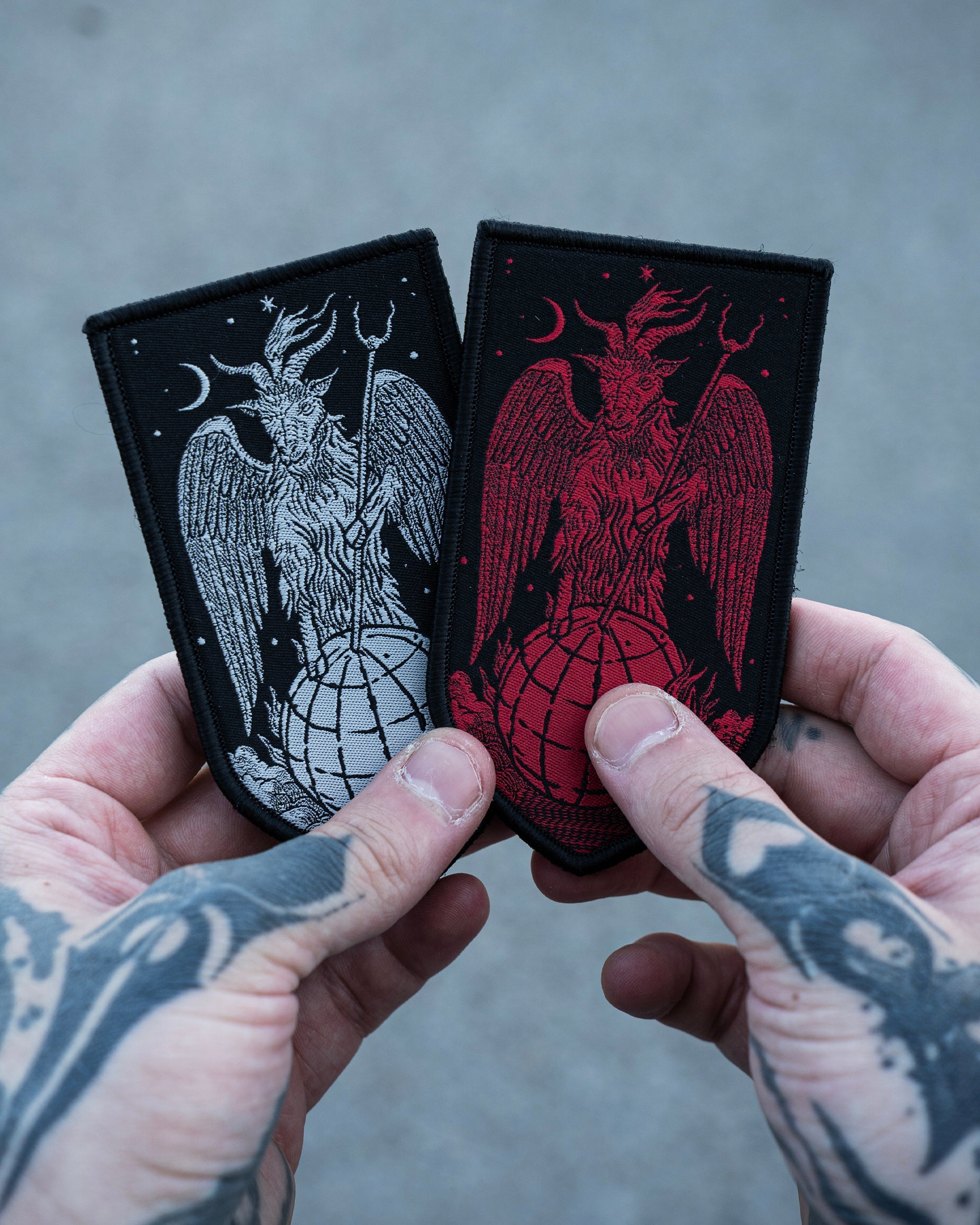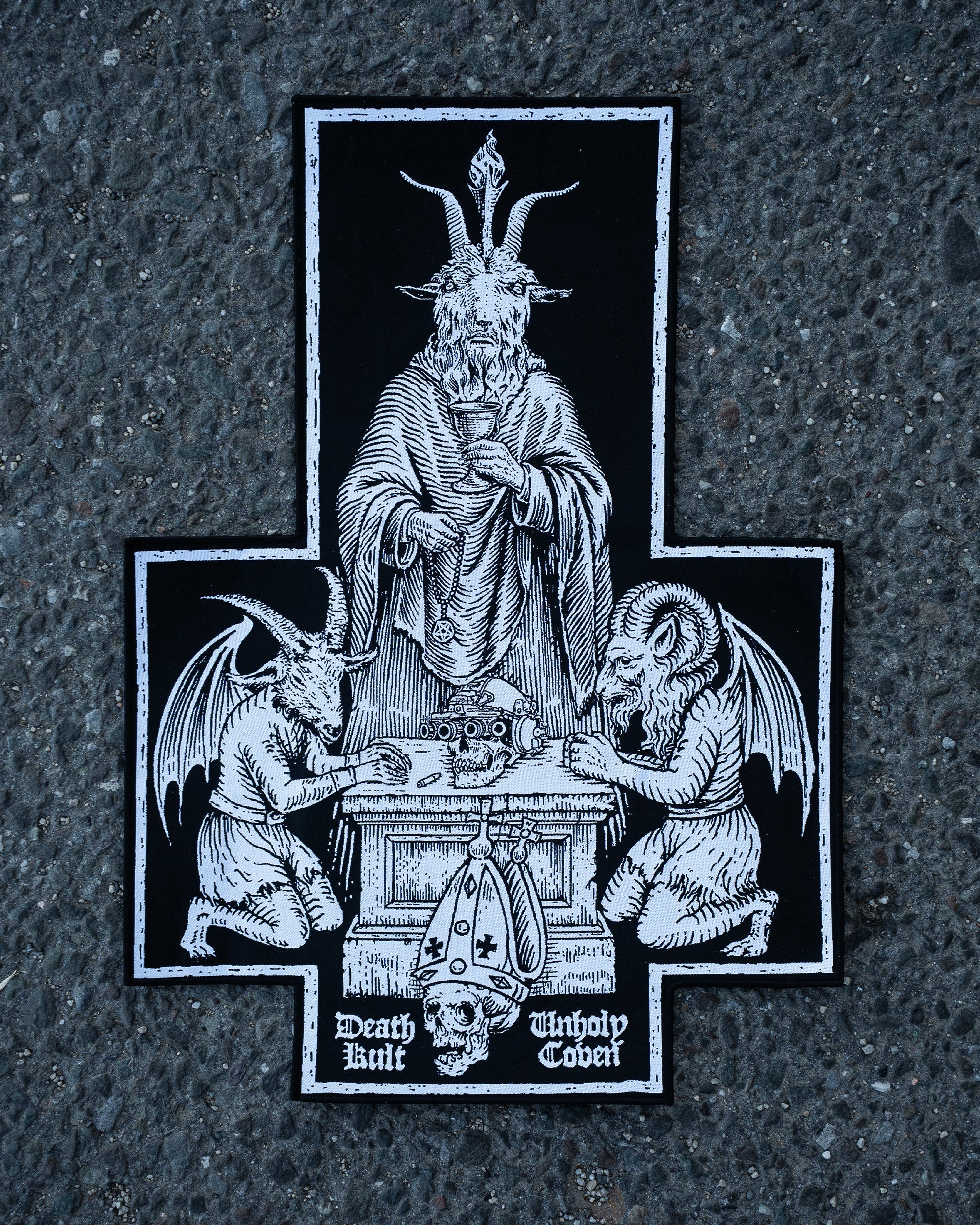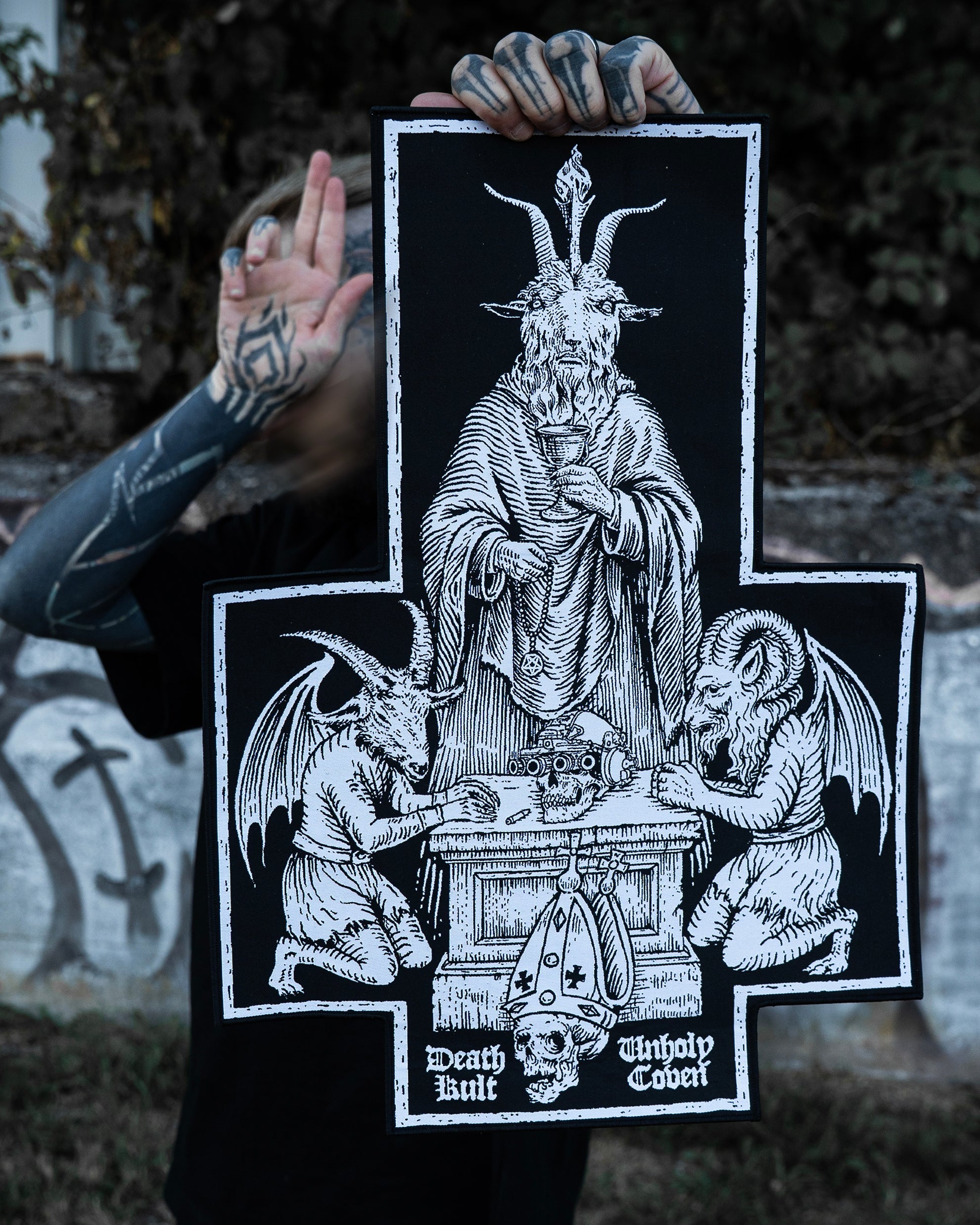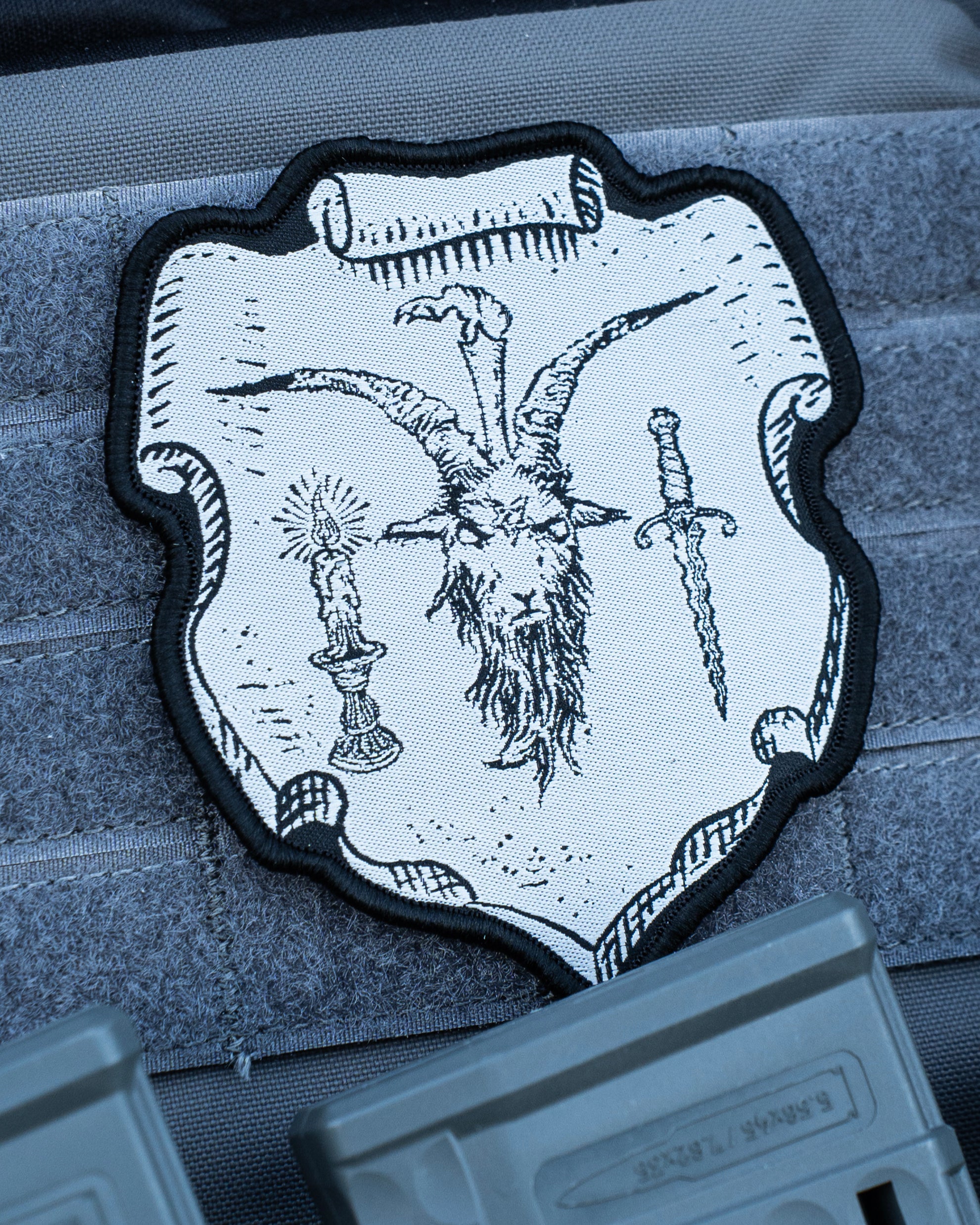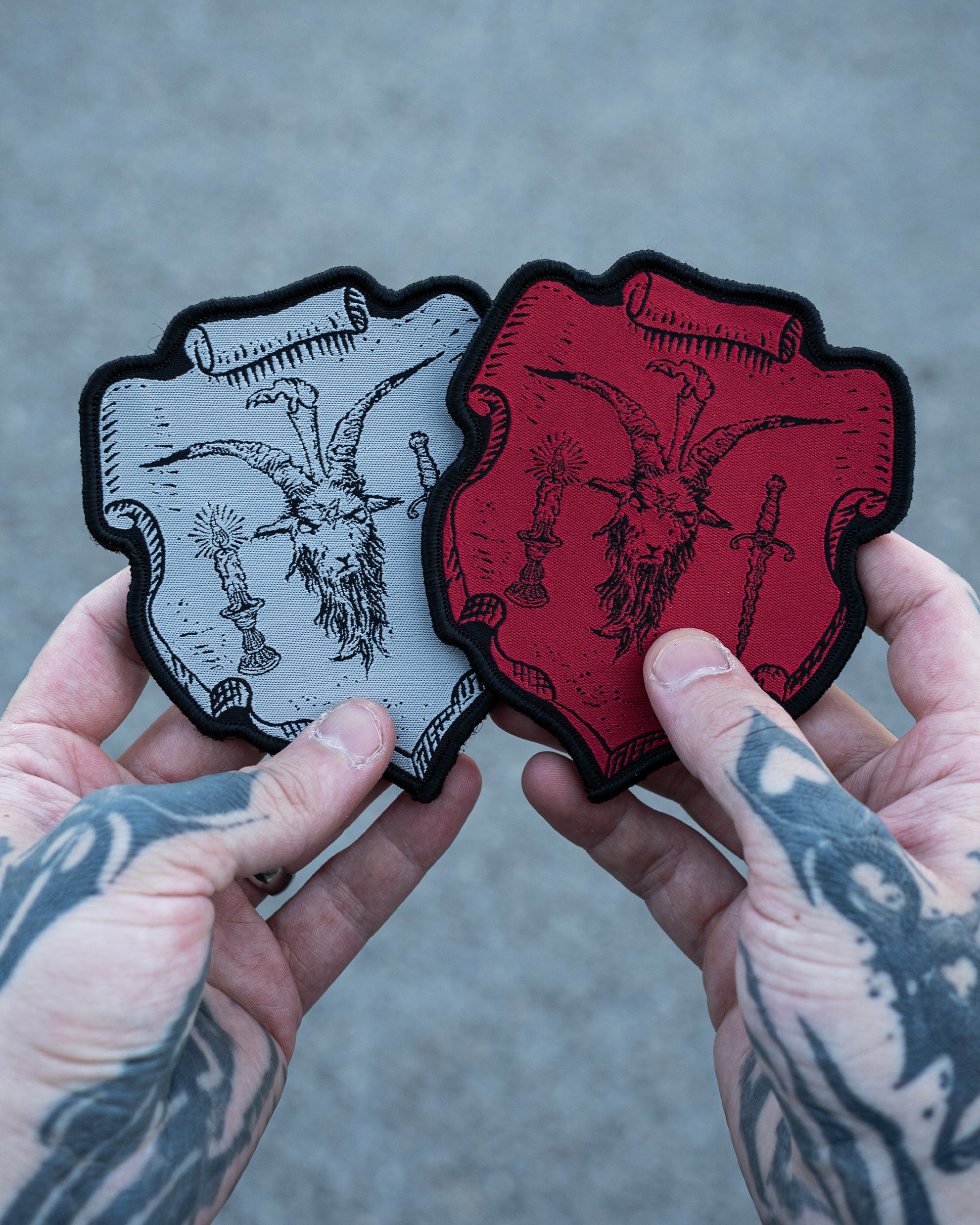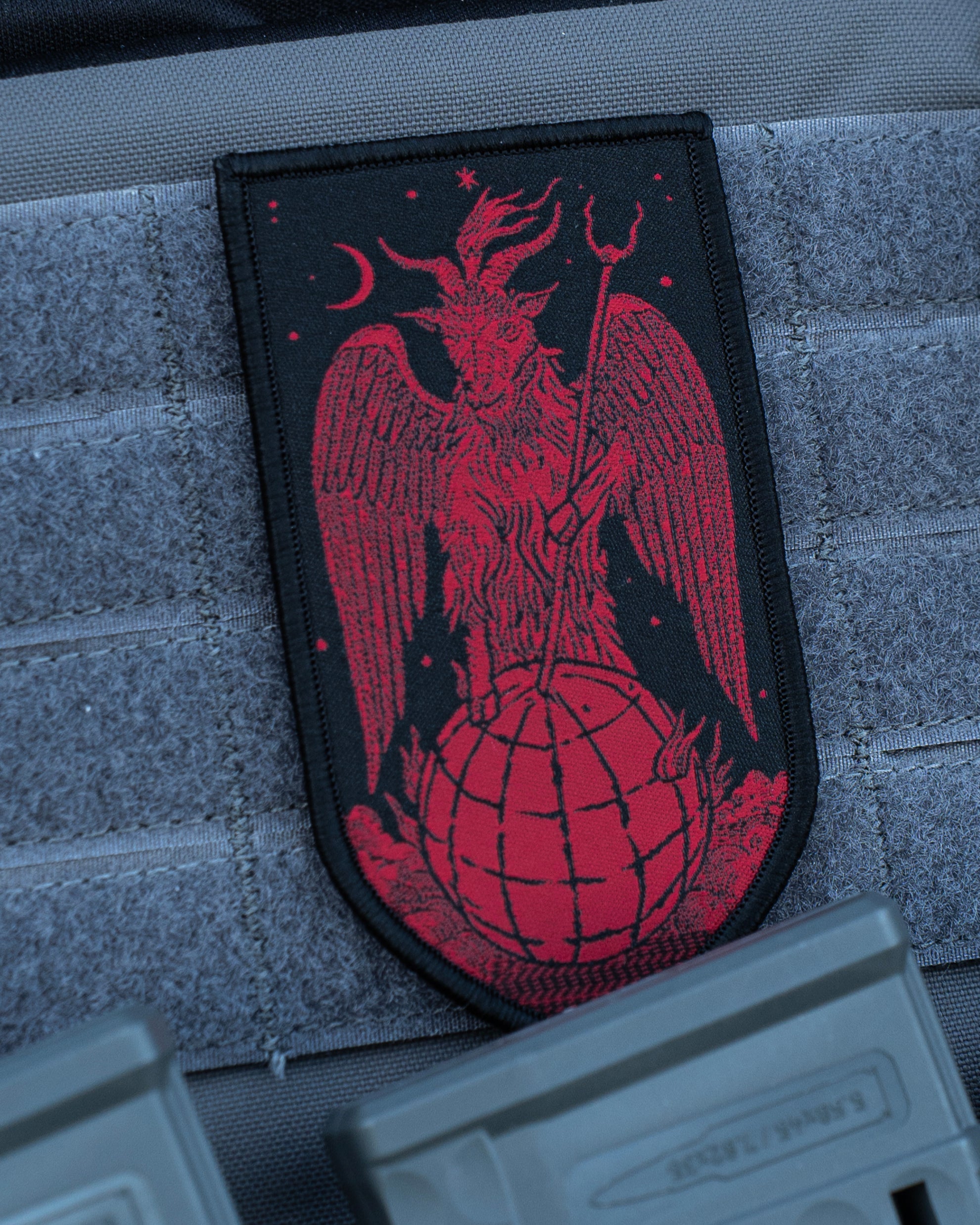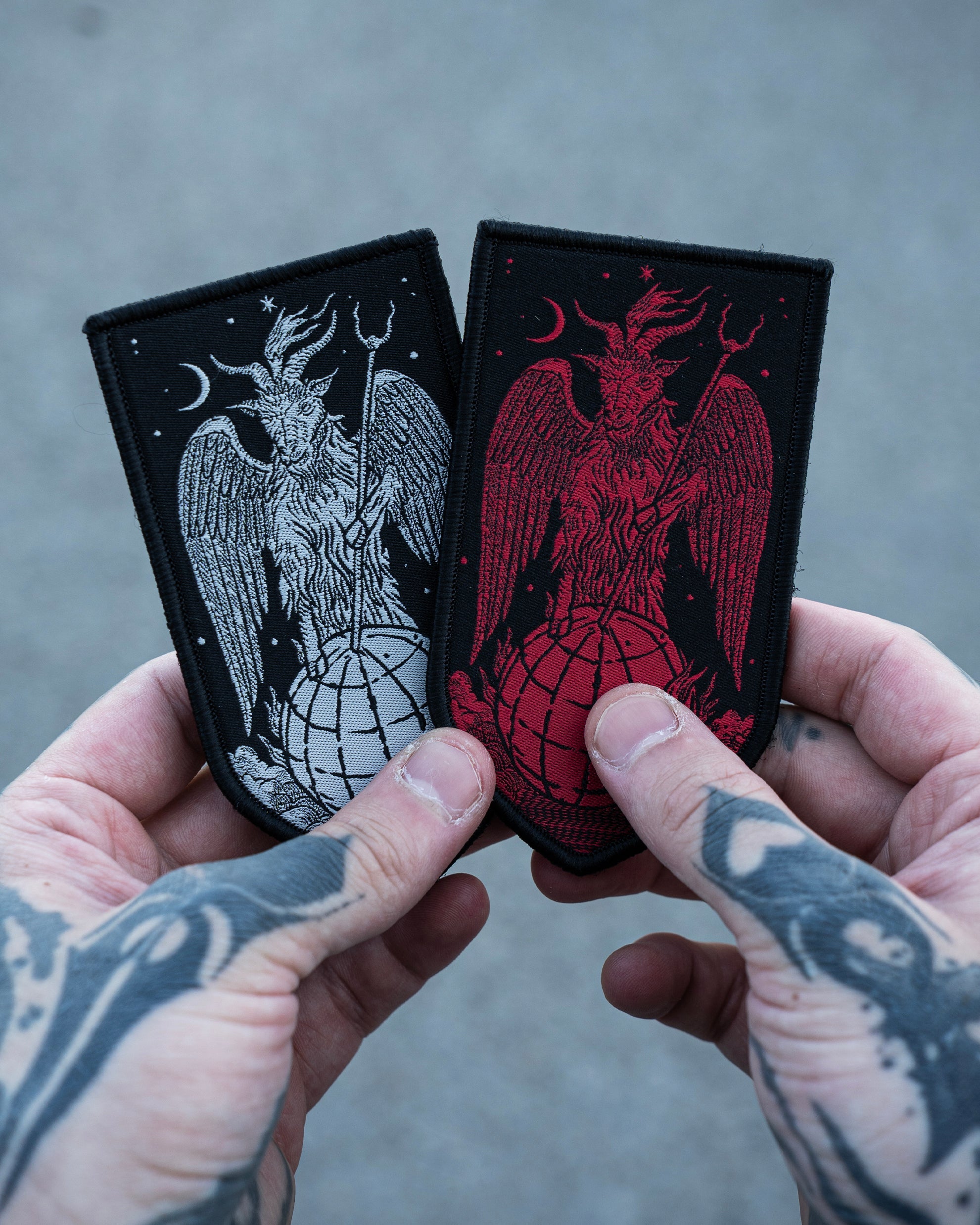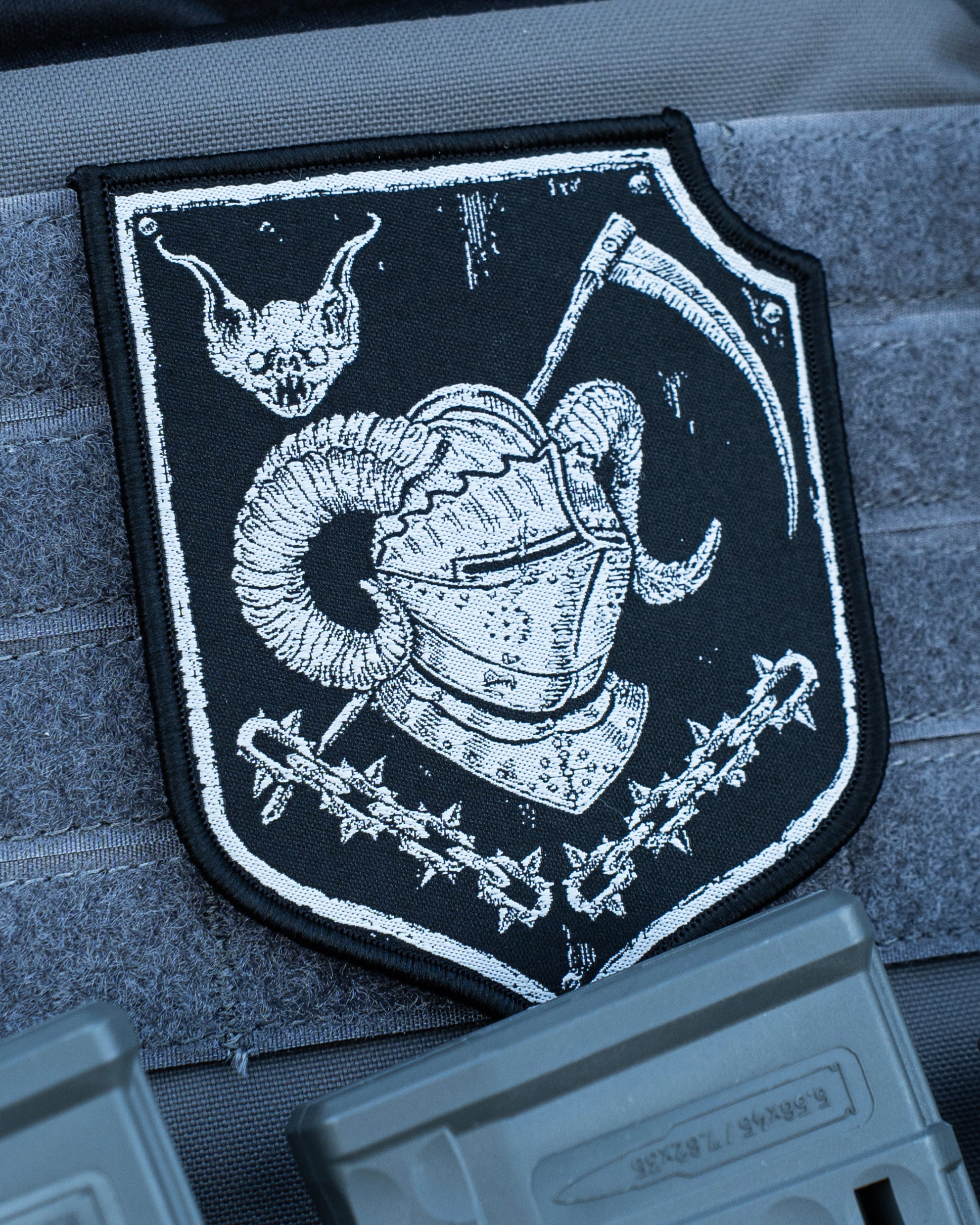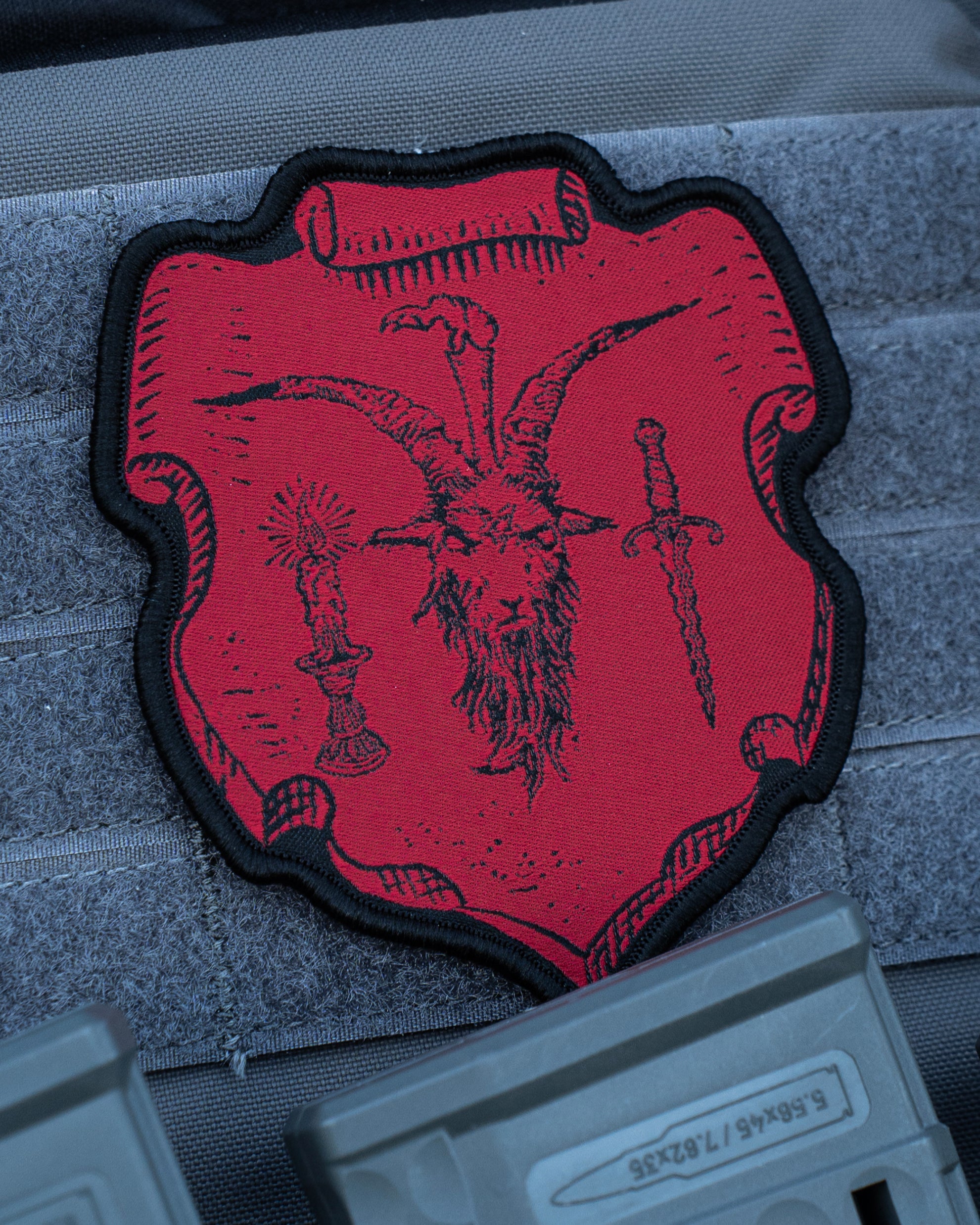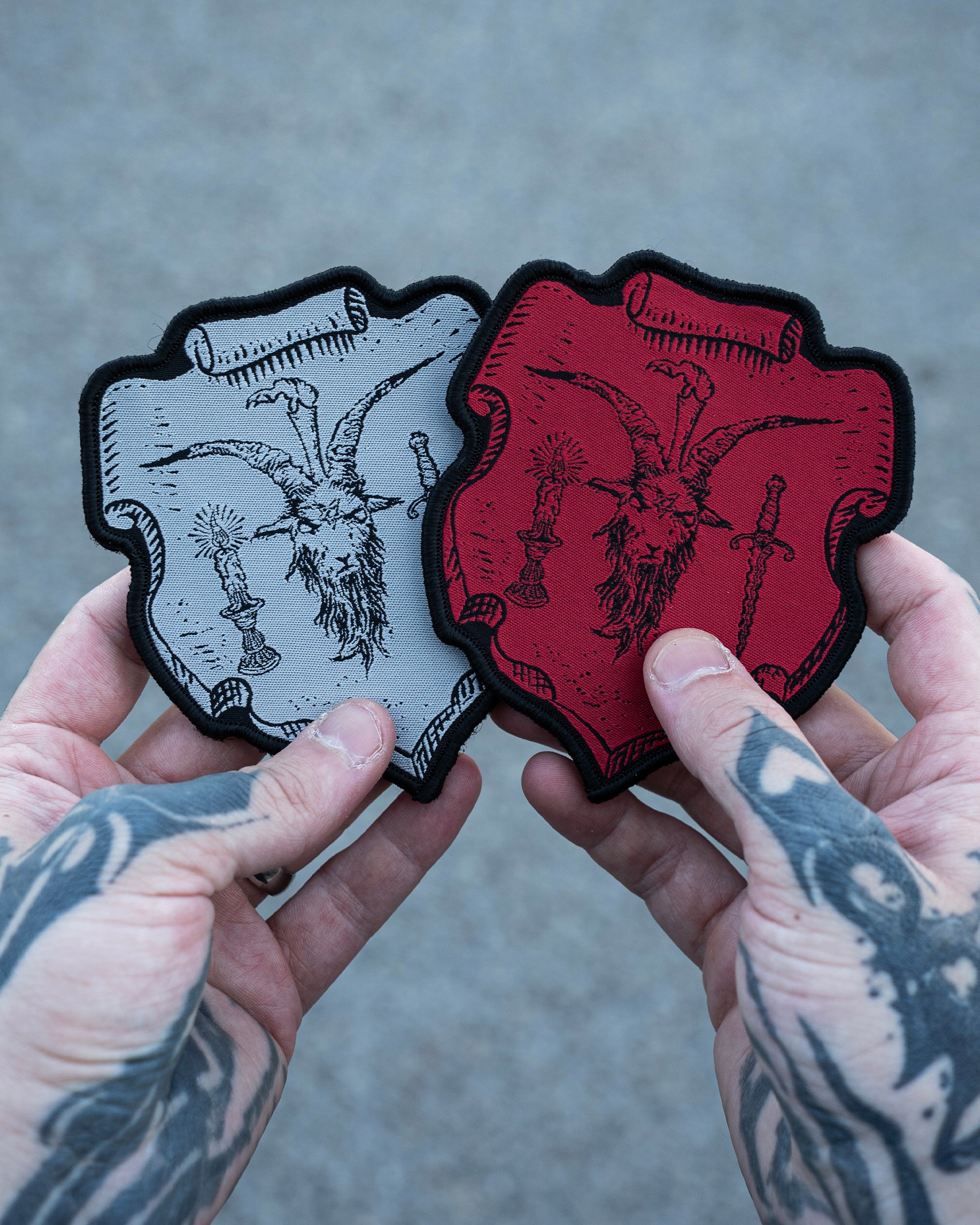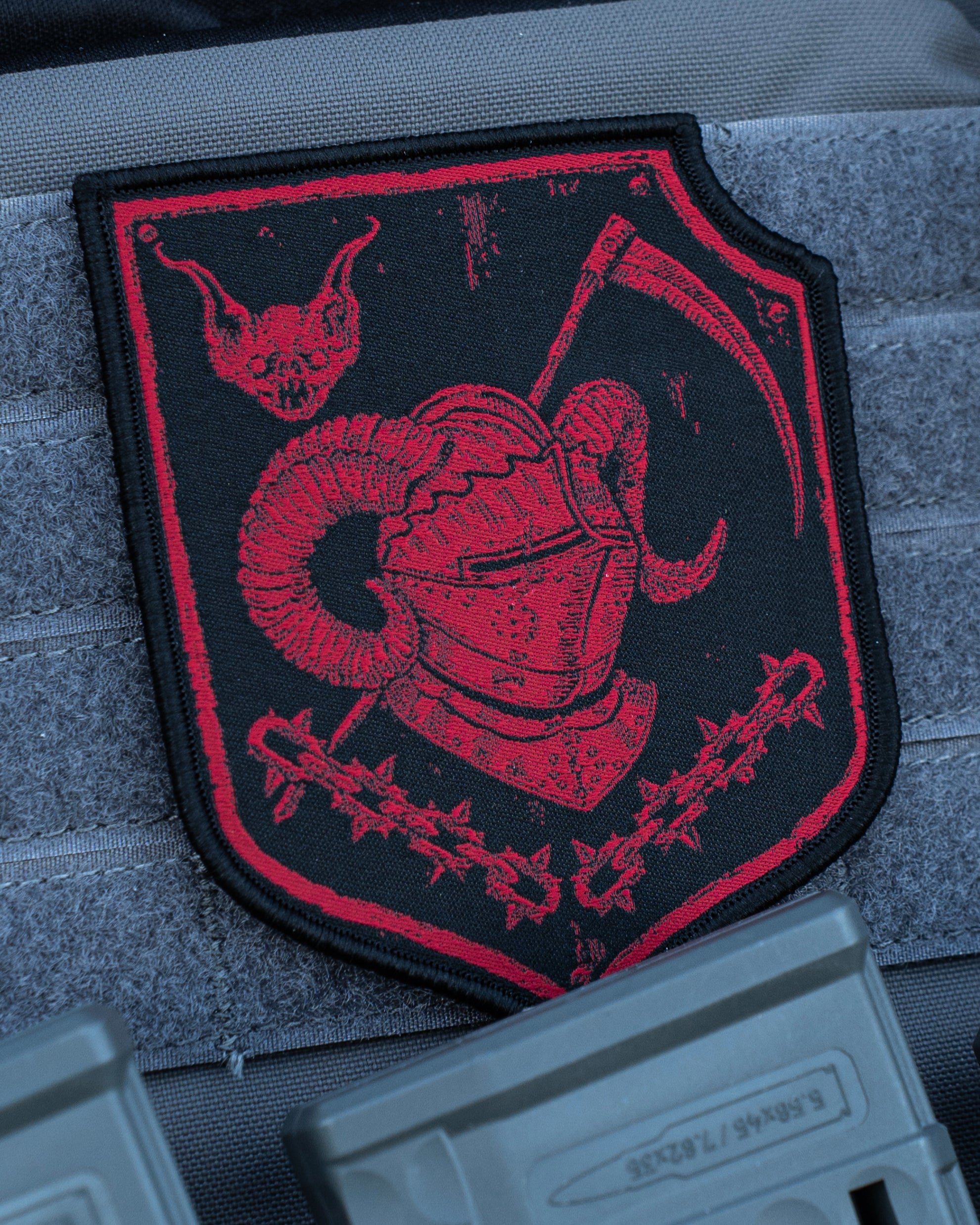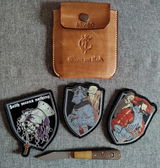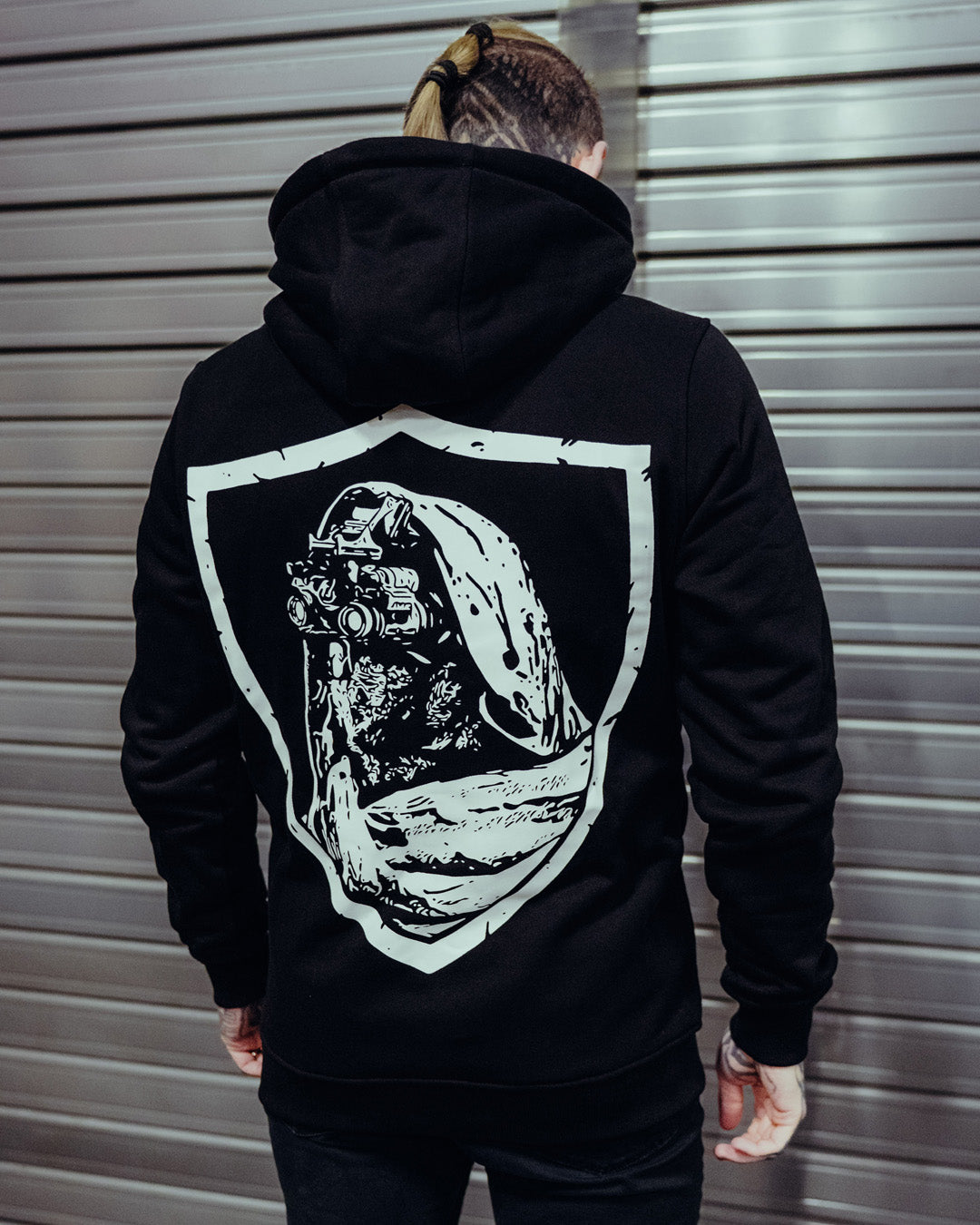












DROP | 21.08.26 - 14:00 CET

WORLD GOAT DAY

„They did not invent the Horned One.
They only invented the reason to fear him.“

A year without saints.

The Coven Jahresrad follows no divine calendar. Nineteen festivals mark the cycle, and each one takes something familiar, drags it through the dirt, and puts it back as if nothing happened.

Ten festivals lie behind us, and the year has long since lost its innocence.

What was once inversion has become conviction. The circle has written itself deep enough that it no longer feels like an experiment — it is belief, just a different kind. The old symbols still stand, but they cast different shadows now. And whoever stares into those shadows long enough begins to understand that the light behind them has always come from the wrong side.

What others celebrate as light, we turn into ember and shadow.

WELCOME TO THE ERA OF BLOOD AND SILENCE.

The eleventh festival of the Coven Jahresrad.

Somewhere in the official calendar there is a Day of the Goat.

It is meant harmlessly. A day of remembrance, a nod toward an animal that has been underestimated for millennia — stubborn, willful, with eyes that see horizontally and a memory that outlasts most of the people who have ever tried to tame it.

The Kult celebrates this day.

Just differently.

At World Goat Day it is not about the animal. It is about what the animal carries — the horns, the gaze, the association that has burned itself into collective memory across centuries. The Horned One. The one who was there before they started naming him. The one whose image was torn from books and yet kept in the mind. The one whose name was forbidden, and by forbidding it they only ensured that nobody forgot it.

Baphomet is not an invention of fear.

He is its result.

And once a year, when the world's calendar celebrates its harmless Day of the Goat, the Kult holds its own mass. With candles, with rituals, with the knowledge that what lies on the altar is not innocence but memory — that every order has its counterpart, every light its shadow, every crown its horns.

Welcome to World Goat Day.

It is said that he existed before there was a name for him.

He stood on the hills as the first people moved into the valleys and made fires and invented gods that looked like themselves — with faces, with voices, with moods and promises and a tendency toward wrath when forgotten. He watched. He had time. He had always had time, and he would continue to have it, because things that were there before everything else are also there after everything else.

The people noticed him eventually.

First in dreams, then in the stories told when the fire grew smaller and the night larger. He was not evil in those stories — he was simply there, on the hills, with his horns and his gaze, a being that belonged to the edges where order ended and something else began.

Then came the churches.

And with the churches came the necessity of finding somewhere to put everything that did not belong to the new order. A name was needed, a face, a function. They took his horns and his hooves and his gaze that saw too much and made from them the enemy — not because he was, but because every order needs an enemy to explain itself.

He let it happen.

The masses were held. Not in the cathedrals — in the cellars beneath them, in the forests behind them, in the rooms that had no official address but that everyone knew who wanted to look. The candles burned upside down. The prayers went in the other direction. And on the altar lay a skull, still and patient, with the gaze of a being that had already seen everything and was looking once more anyway.

Because it remained interesting.

Because people are interesting when they believe, and even more interesting when they think they are the only ones who do.

He stood on the hills the entire time. While below the cathedrals grew and names were changed and prohibitions written and then forgotten again. He did not judge. He demanded nothing. He was simply there, as he had always been, and that alone was enough to be feared.

Because nothing is more threatening than something that needs no explanation.

And it was written:

„They named him the enemy, so that their order might appear holy.
But when their gods have long since fallen silent, the Horned One will still be standing on the hills.“

Since then, it holds true:
What existed before belief will outlive it.

0

This collection is empty

Continue shopping