No one could say afterward in which year the monastery burned.
The monks wrote that it happened in the year of the great transgression. The farmers from the valley called it the year without seed, and in the prince's ledgers the pages were missing that should have recorded the payments to the company.
In that part of the country, people did not count time by years anyway.
They counted it by fires.
The monastery sat above the river, where the road pressed between two forested ridges. Its walls were older than the surrounding villages, its cellars deeper than most wells, and its storehouses full even in bad winters. The brothers owned vineyards, mills, and the right to collect a penny from every wagon at the bridge.
Those who could not pay gave grain. Those who had no grain left gave livestock. And those who had nothing left were told by the prior that poverty was a test of faith.
Below the monastery began the territory of the knight Götz von Hohensteg.
His family had once held three castles, six villages and a seat at court. What remained to Götz was a damp ruin, a starving horse and a coat of arms that still showed a crown, though no one remembered anymore what it stood for.
So he raised a toll.
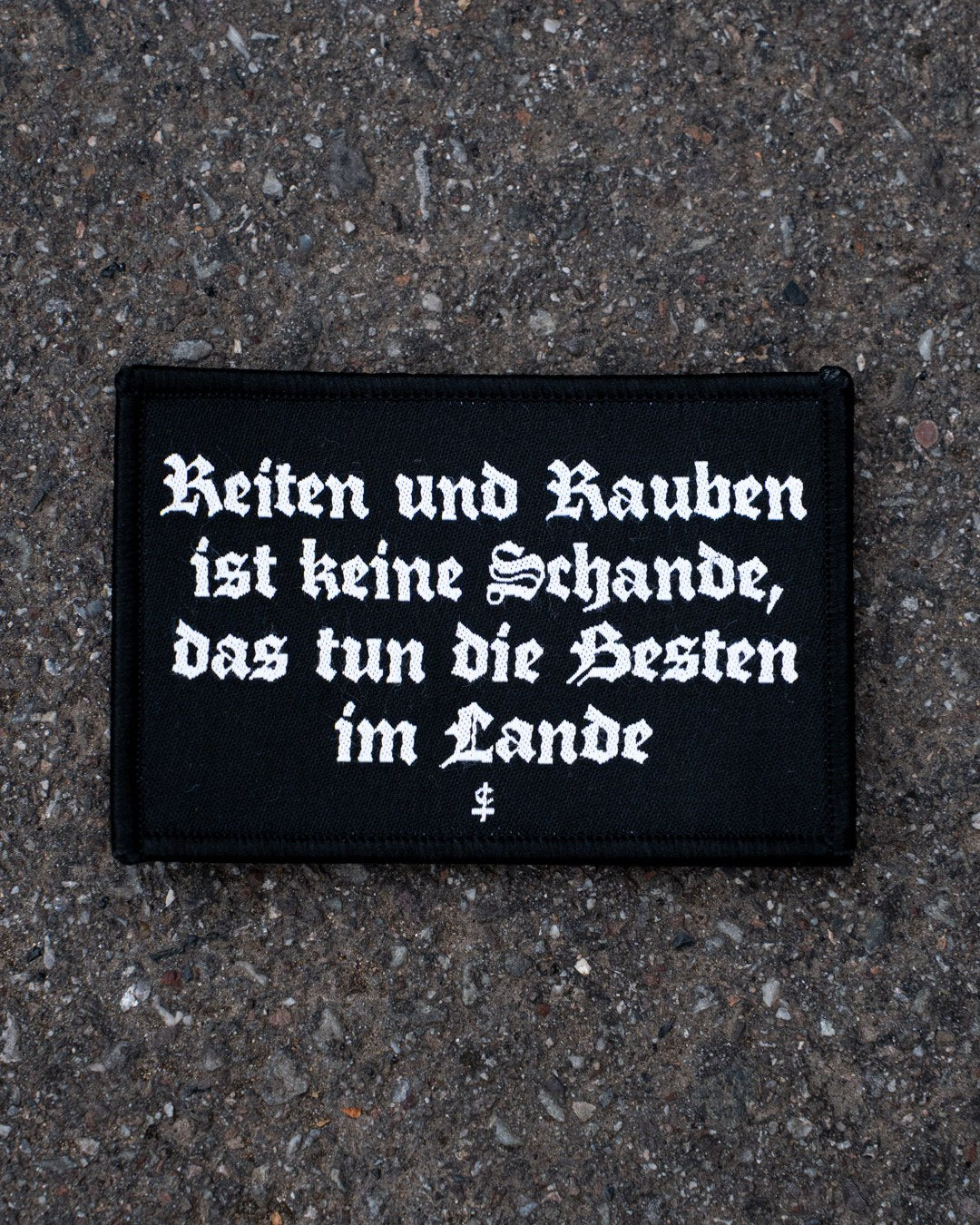
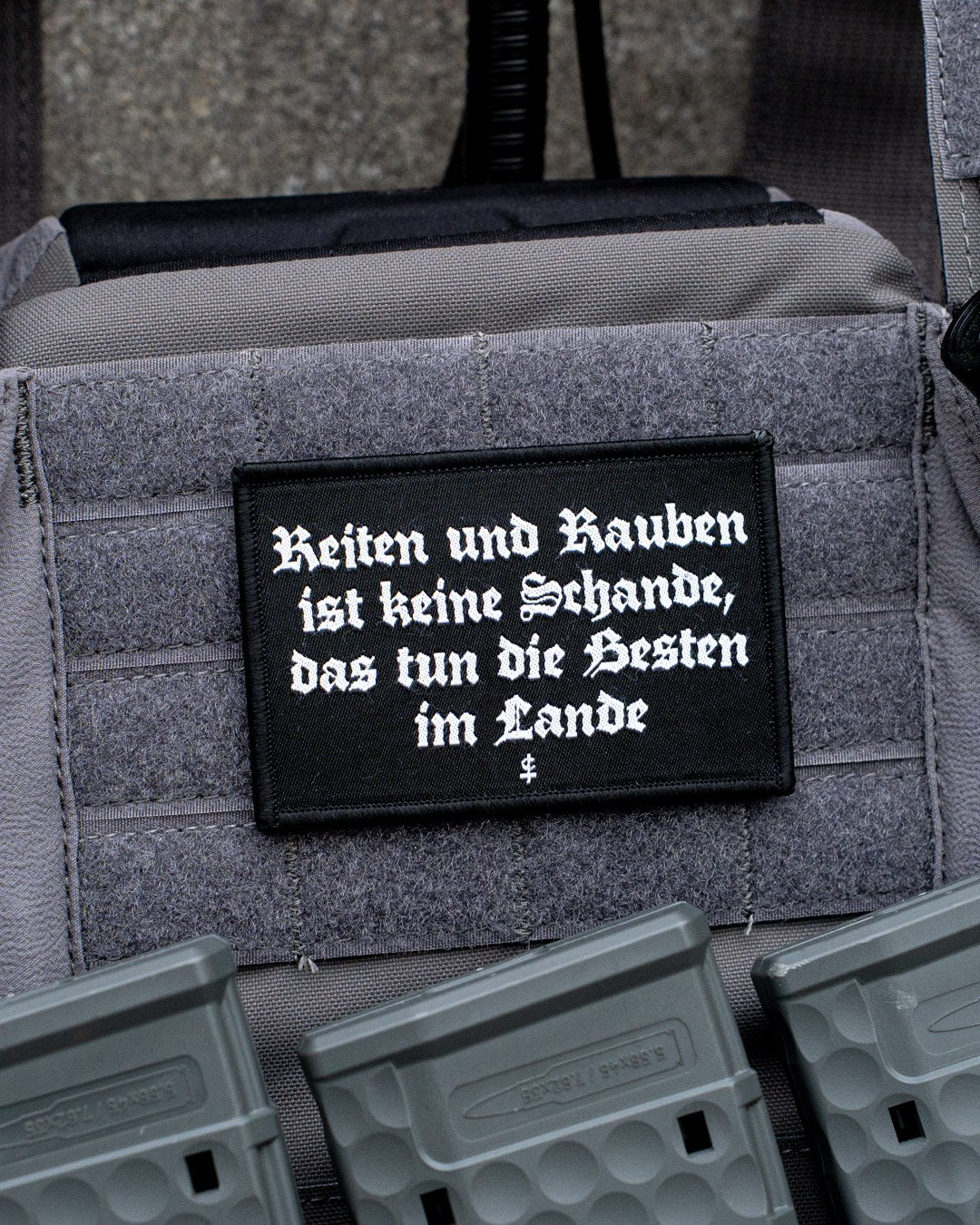
He had chains stretched across the road and merchants pulled from their saddles by his men. He took coins, bolts of cloth and occasionally a son, when the father looked wealthy enough. To complaints he answered that the road ran across old family land. To the monastery's documents he answered with a crossbow.
The brothers called him a robber knight.
Götz called the abbot a thief with cleaner fingers.
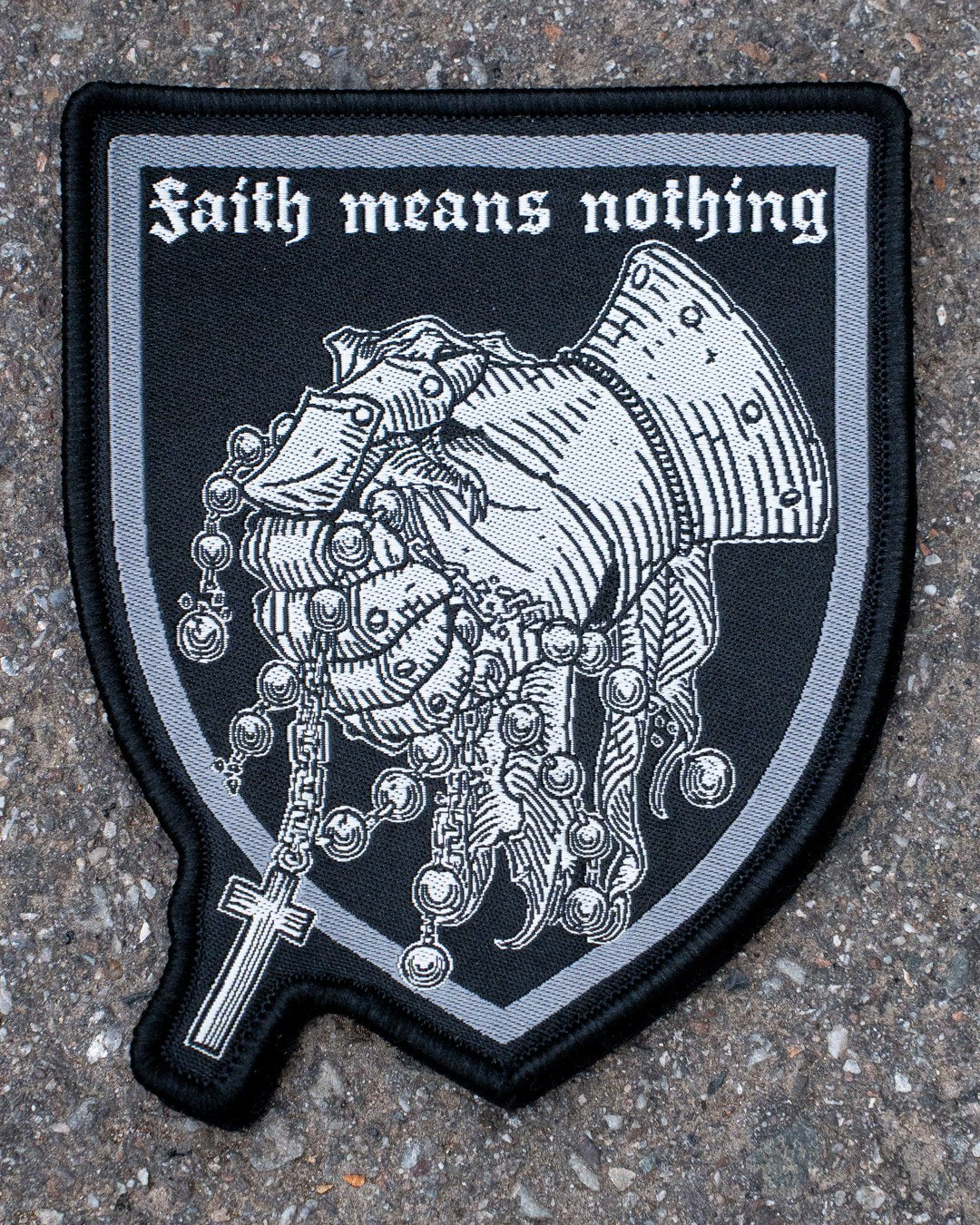
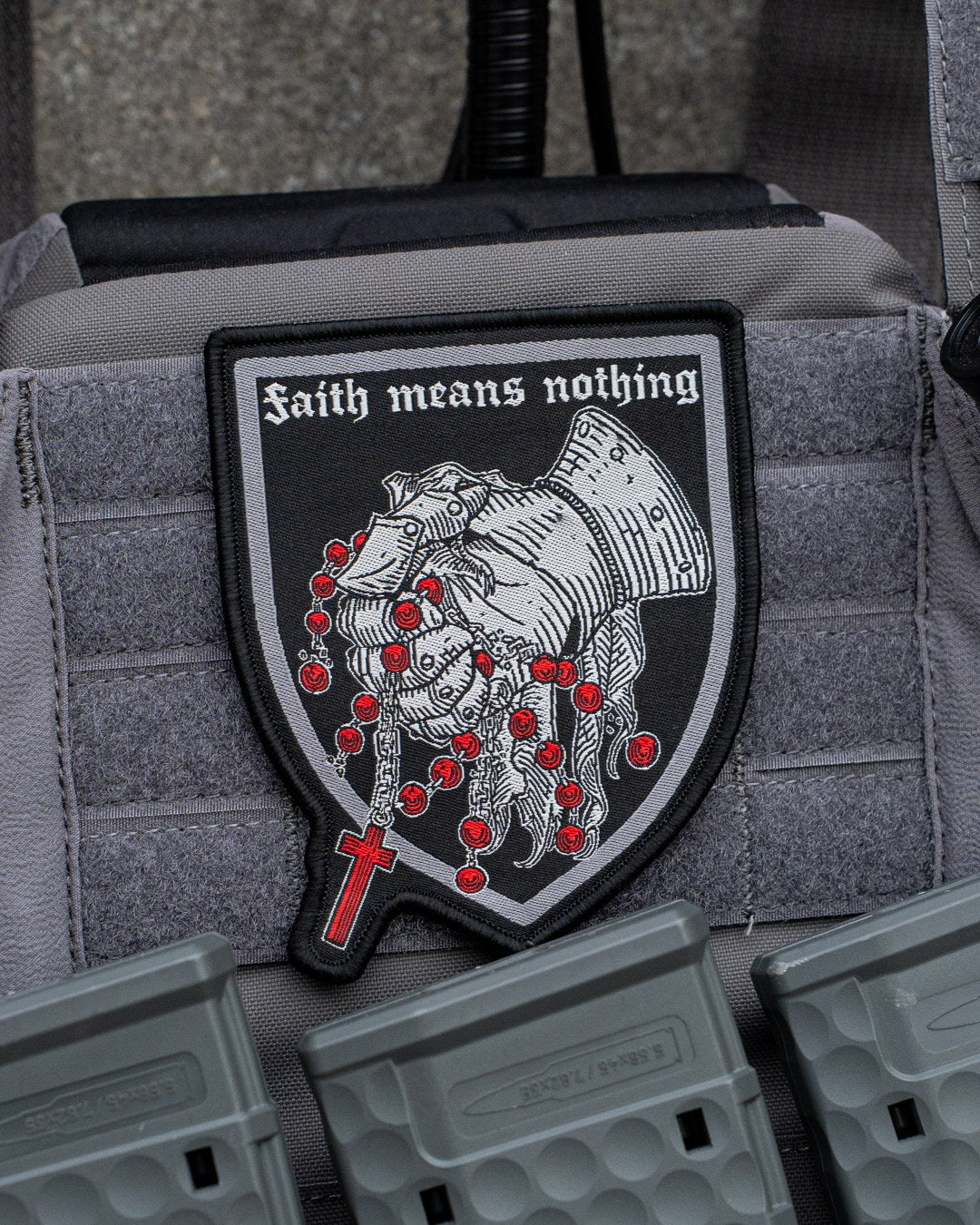
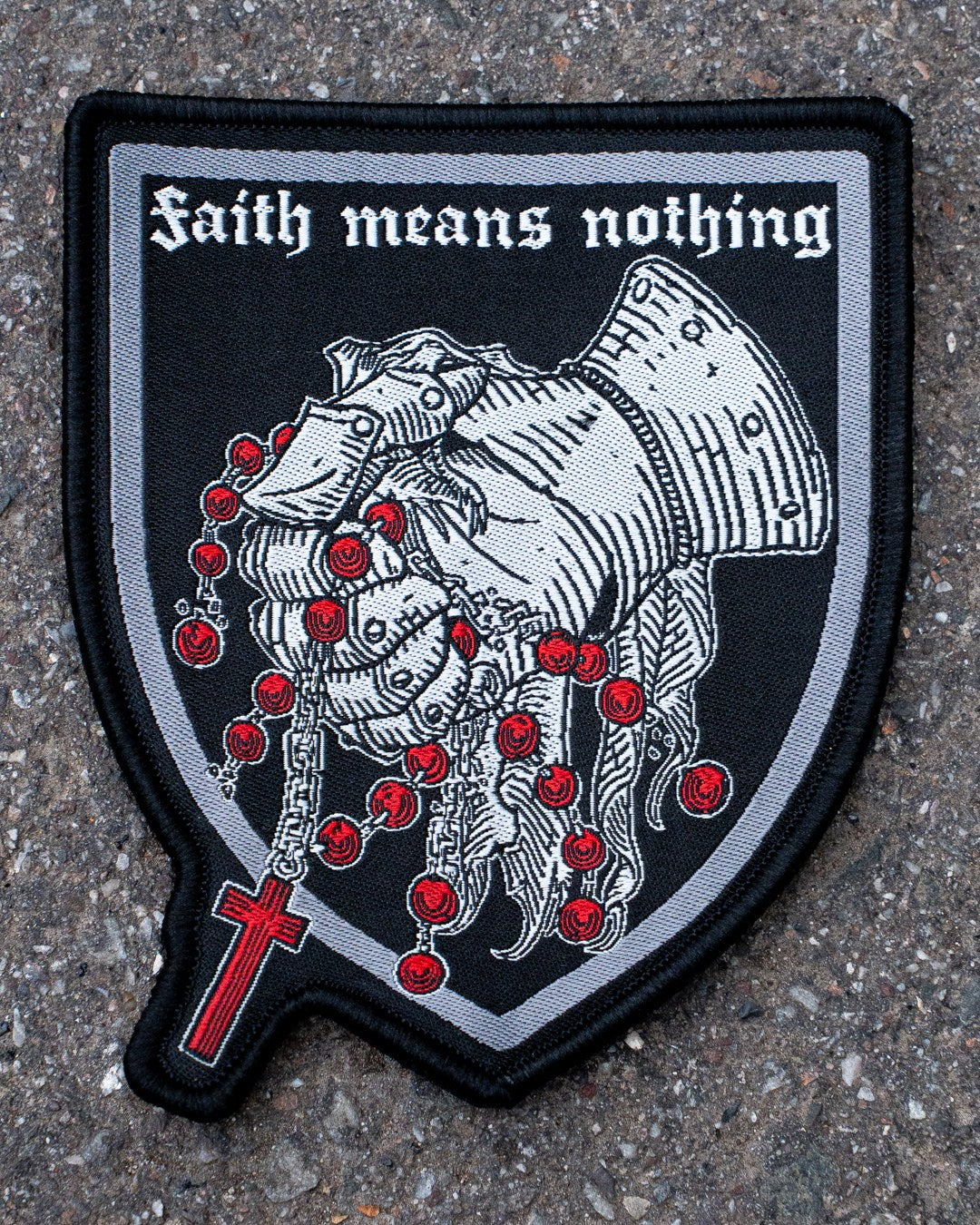
For a long time it remained at curses, vanished wagons and arrows striking closed shutters in the night. Then Götz had the monastery's tax collector hanged below the bridge. Around his neck hung the rosary he had carried with him, but every single bead had been split with a small knife.
Beneath it someone had cut two words into the post:
PAY YOURSELVES.
The abbot sent a messenger to the prince before the same morning was out.
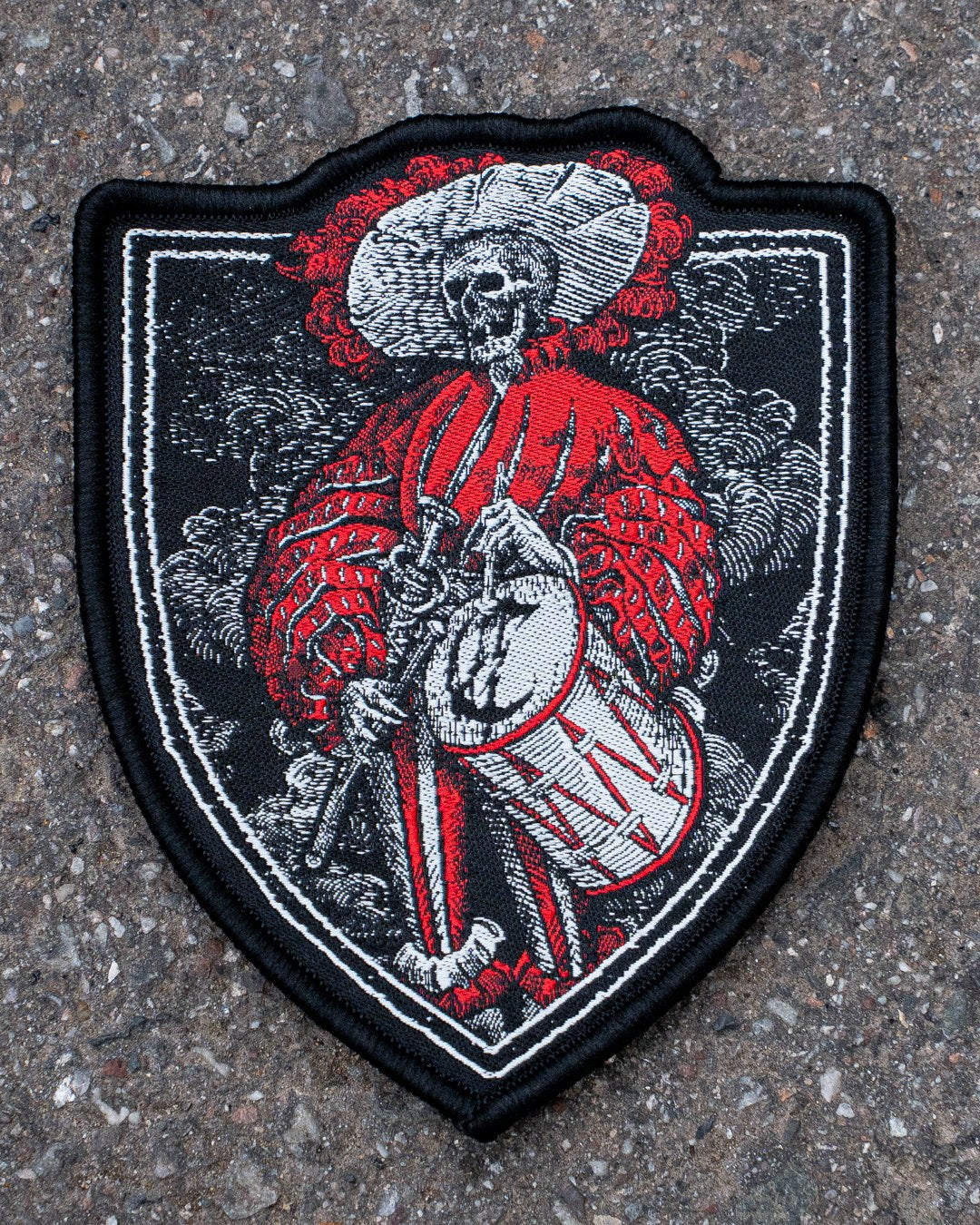
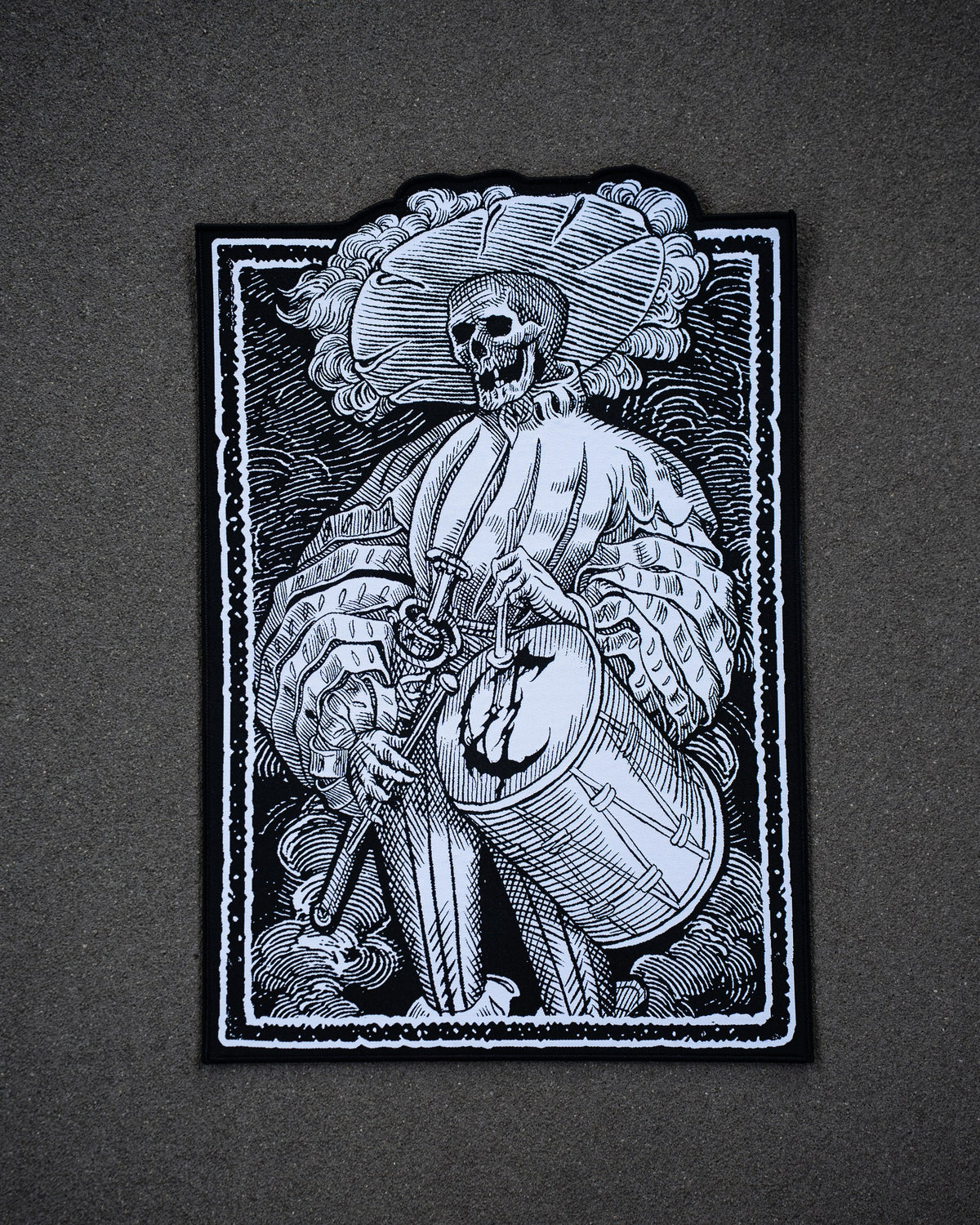
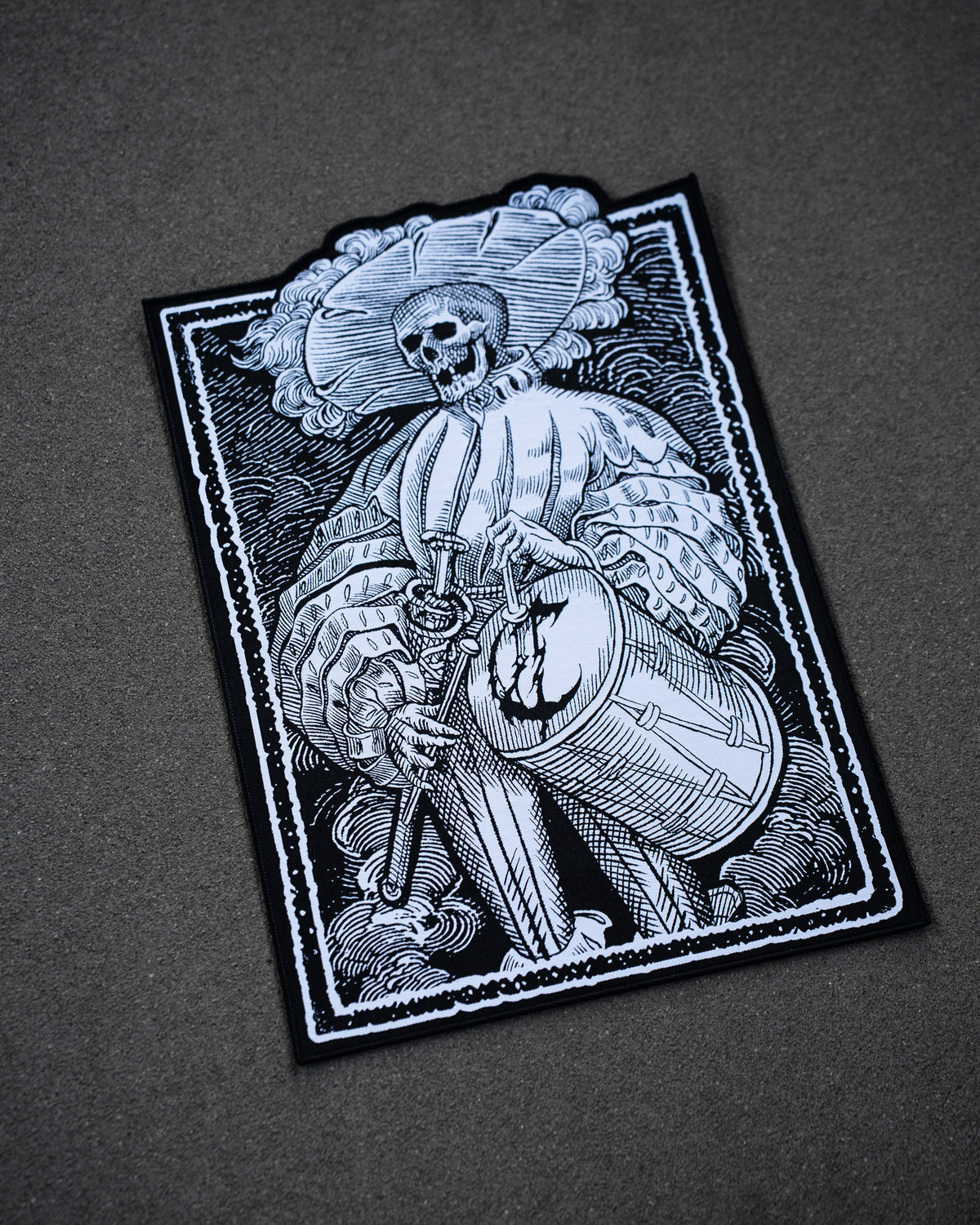
Three weeks later, the drums were heard.
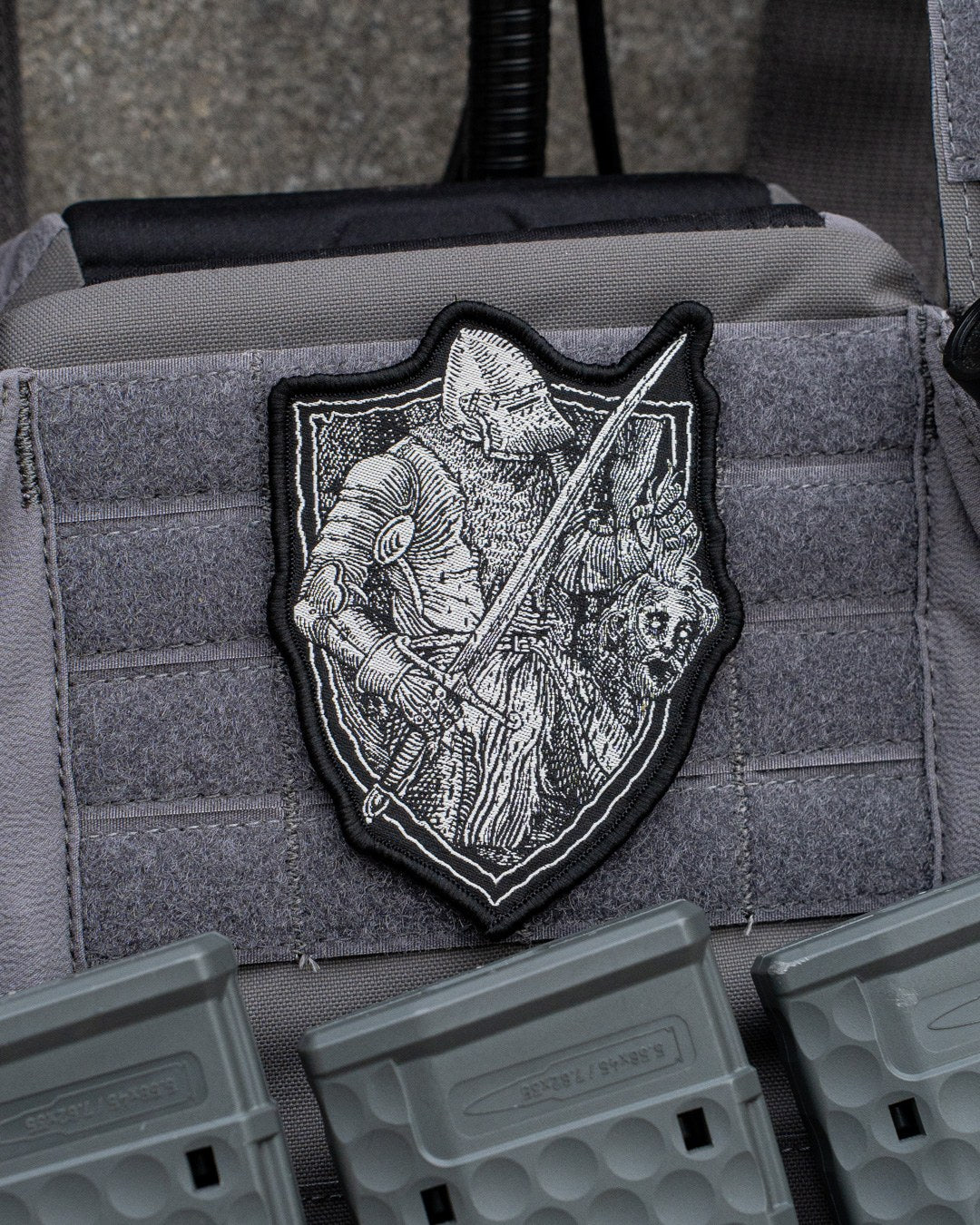
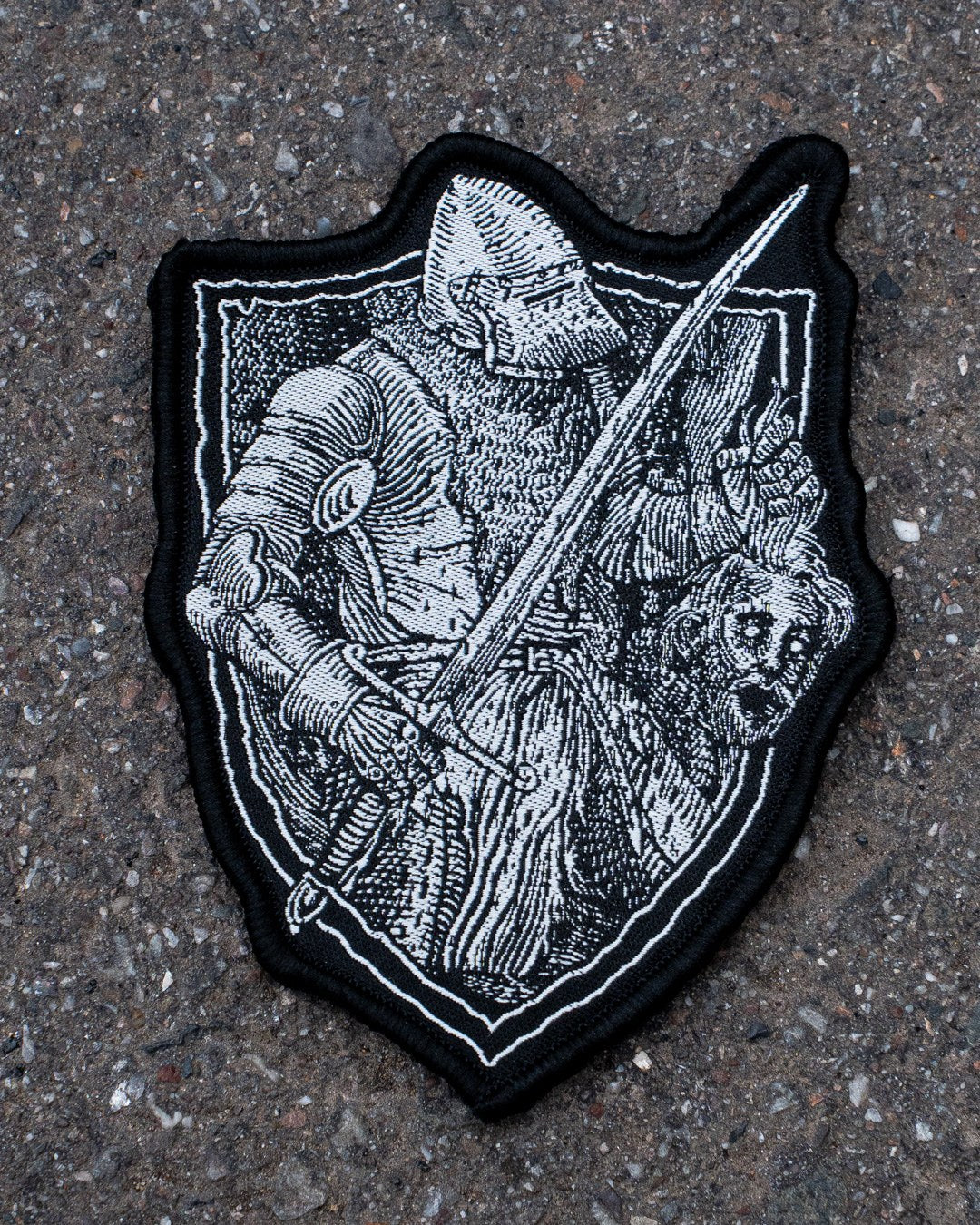
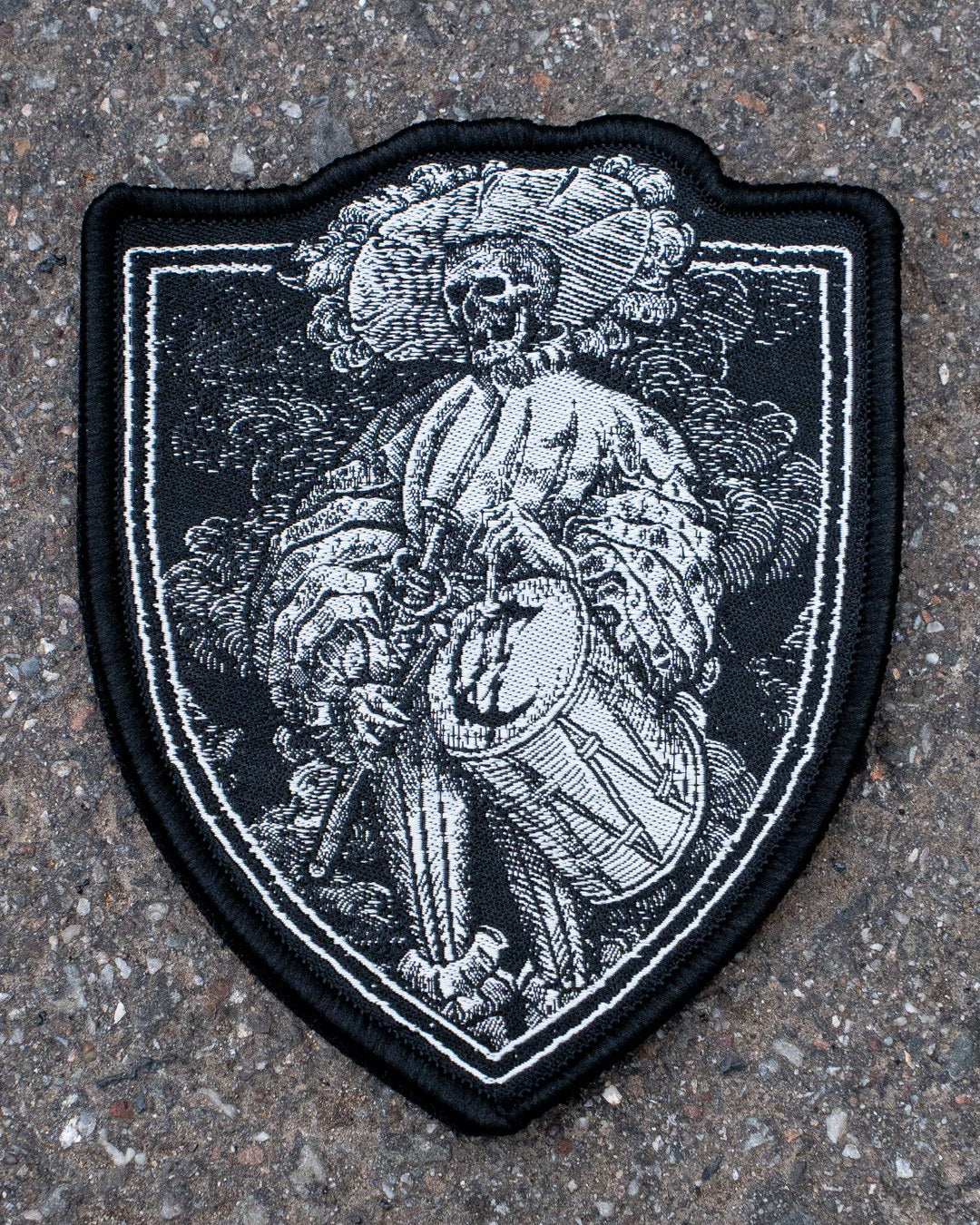
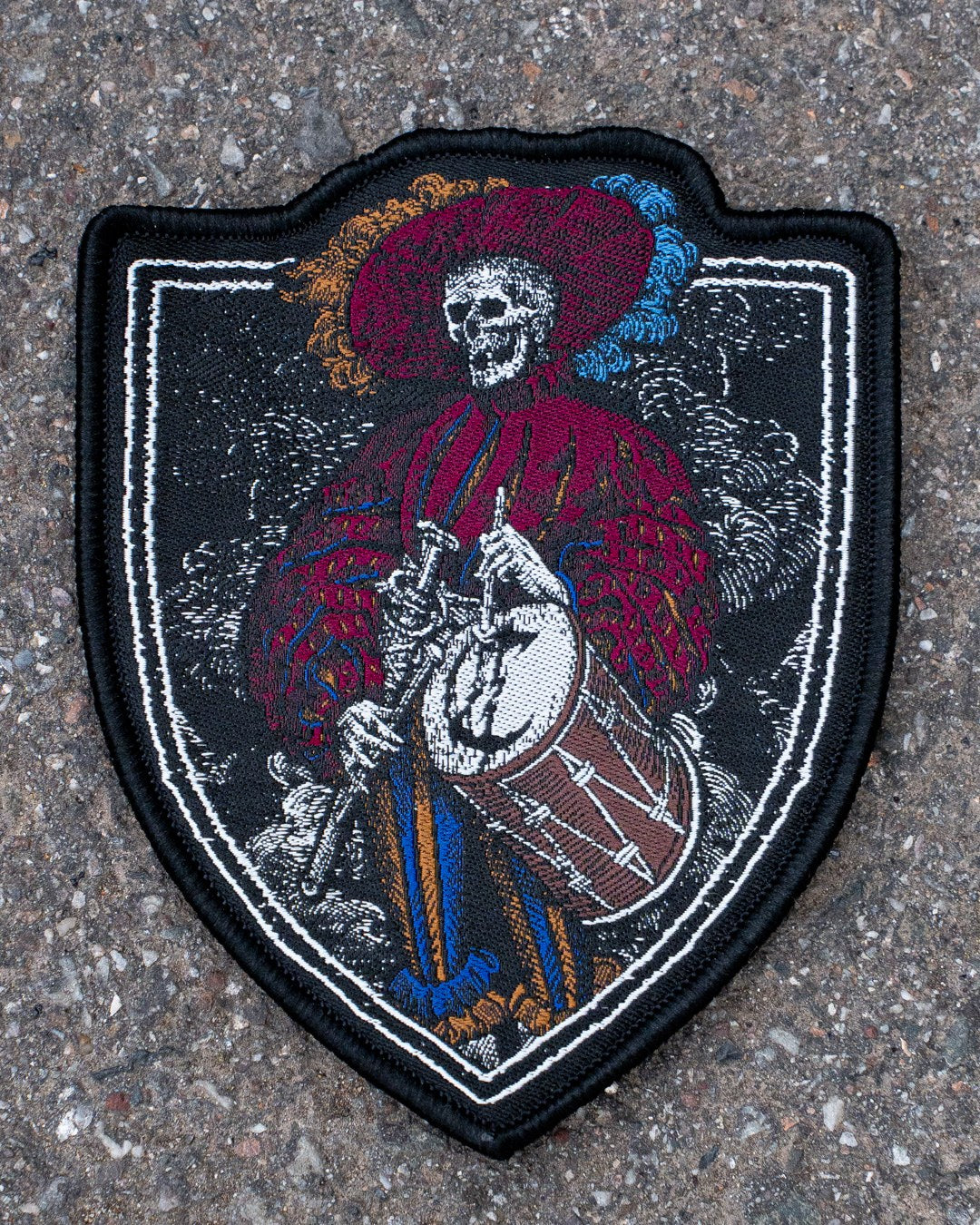
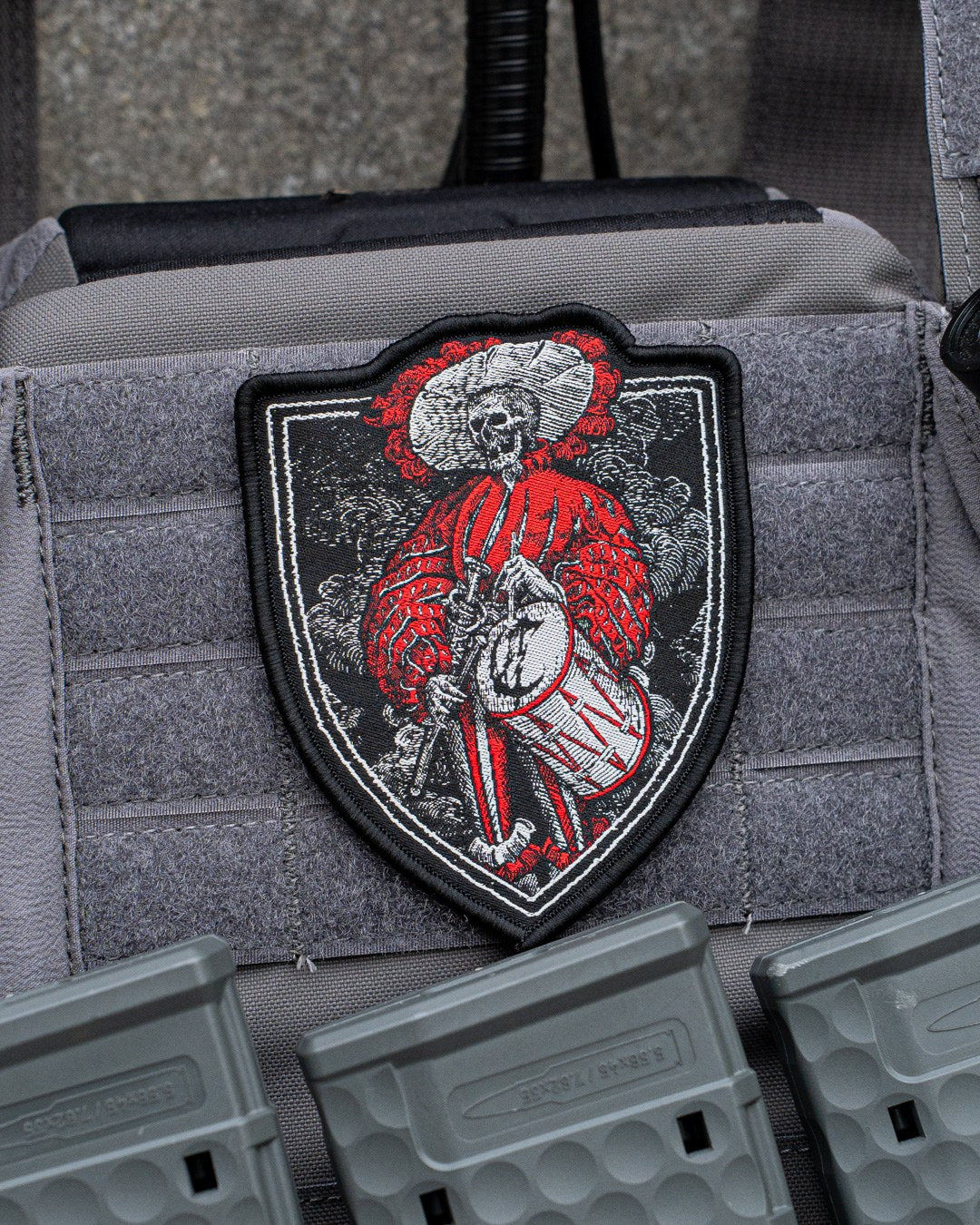
The company came from the south. Two hundred men, accompanied by women, children, merchants, dice players and a preacher no one had invited. Their clothing was torn but so brightly coloured that the valley thought a travelling fair was moving on the monastery. Between the pikes marched men with Zweihänder, halberds and short Katzbalger, whose broad blades looked made not for duels but for work in close quarters.
At their head rode Captain Lorenz Rotmund.
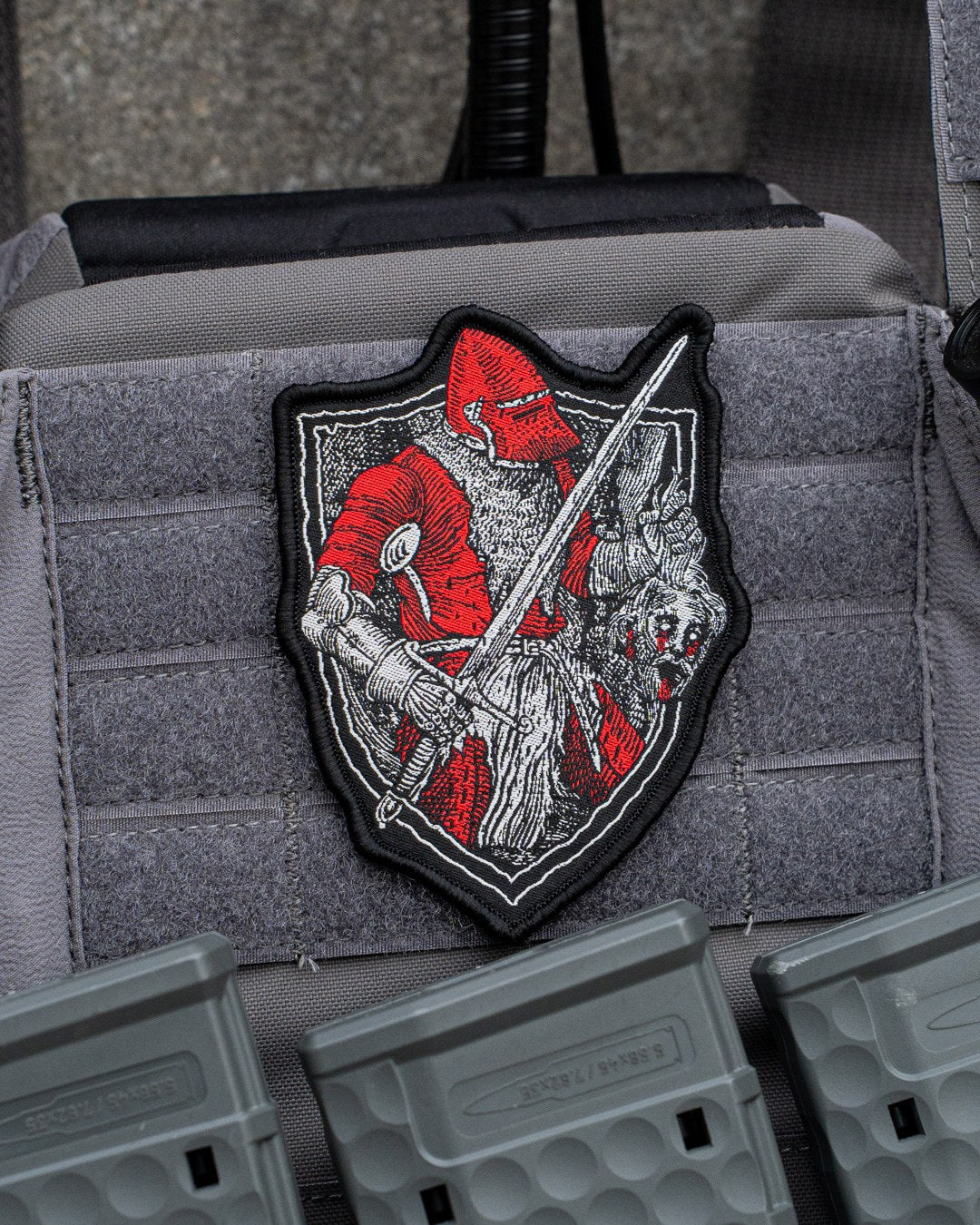
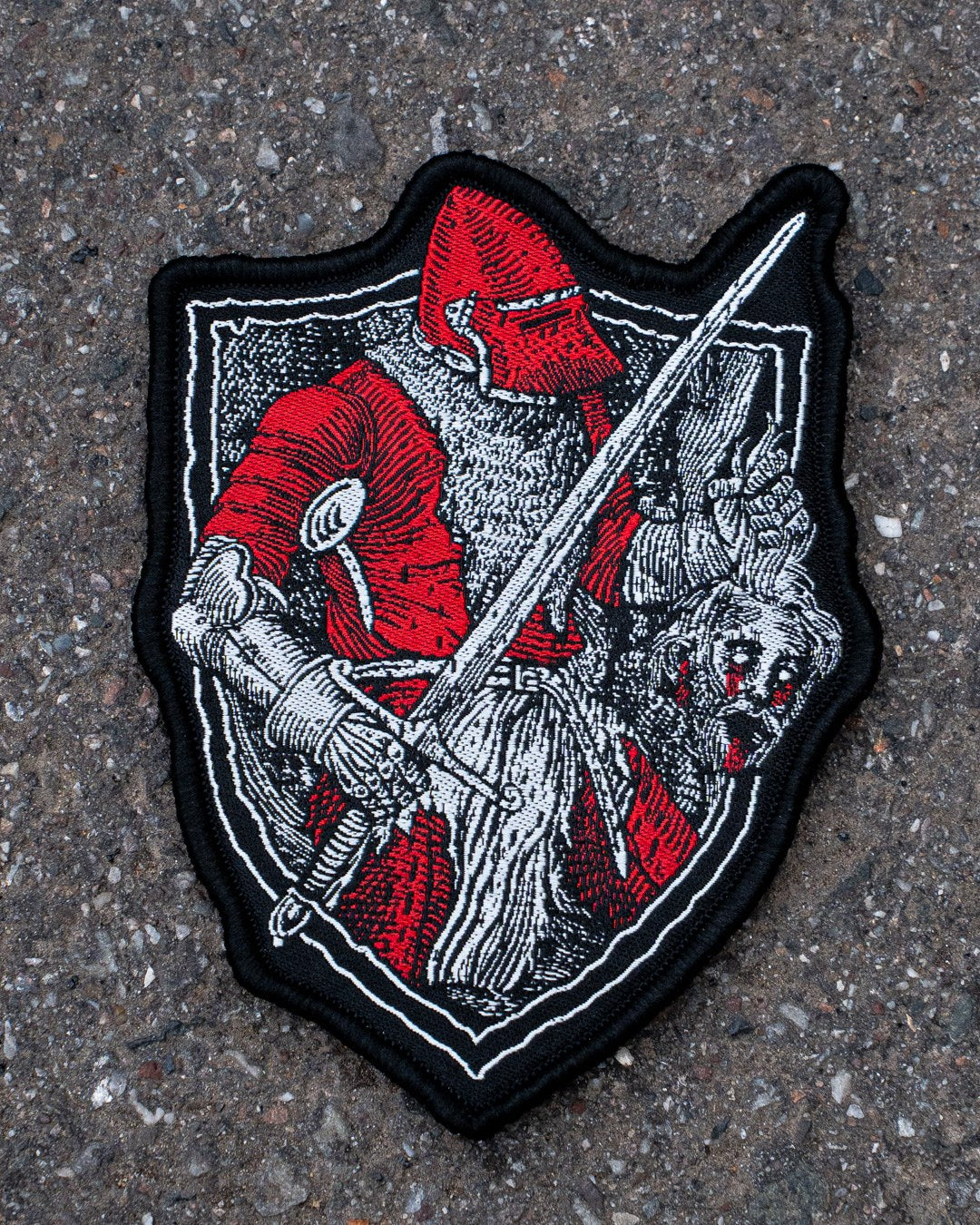
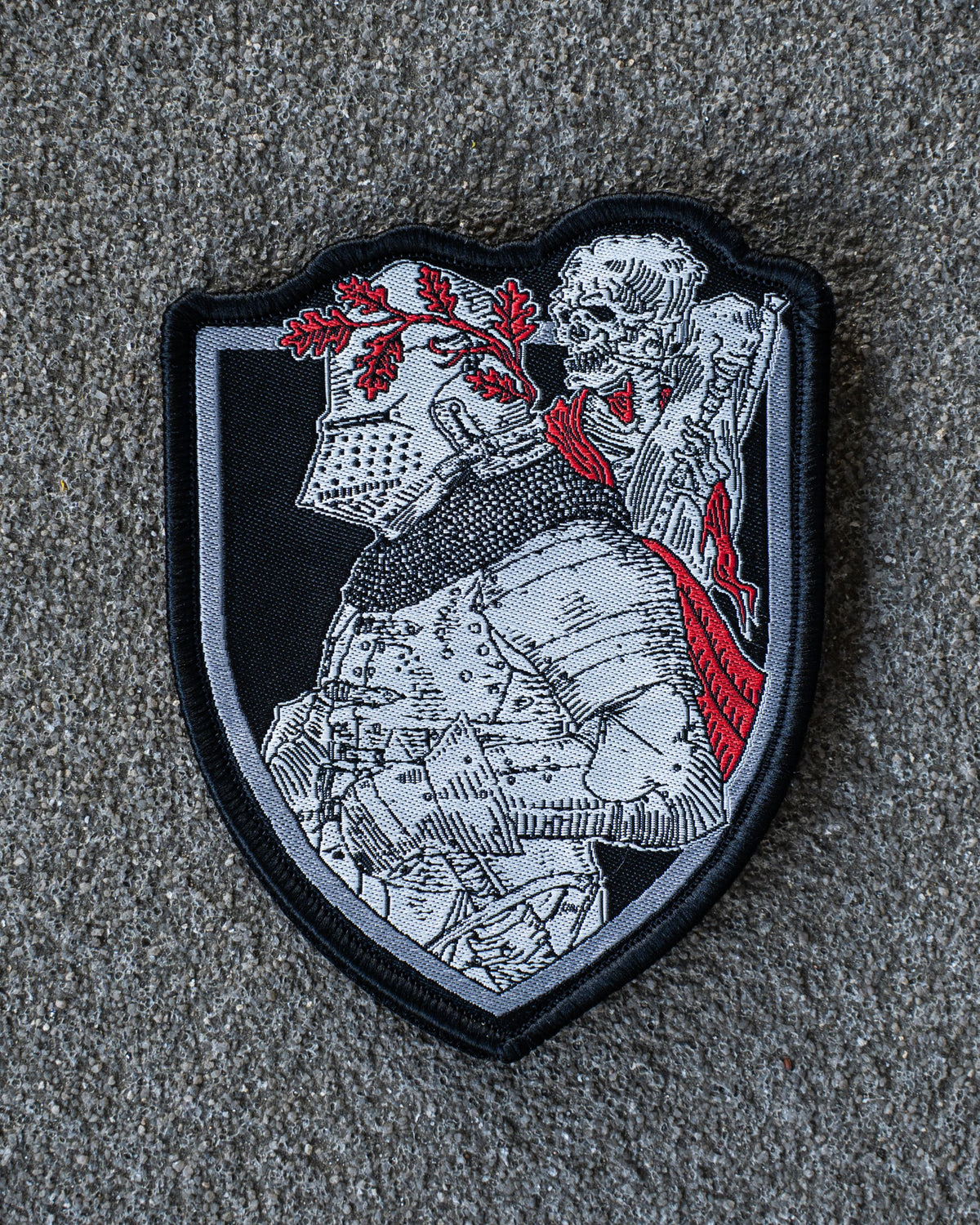
It was said his hair had been red in his youth. Now his beard was grey, his nose broken twice, and his cuirass patched in so many places that little of the original metal could still be seen. He had fought for dukes, bishops and a city whose council had tried to hang him for breach of the peace after the victory.
Rotmund no longer believed in lords.
He believed in pay.
The abbot received him in the courtyard and promised the men three months' wages once Götz von Hohensteg was captured or his castle taken. The gold was safely held in the monastery's cellars, he said. Rotmund asked to see the chest.
The abbot smiled and explained that among men of honour, a word should be enough.
Rotmund smiled as well.
That same evening the company pitched its camp below the walls.
For three days the Landsknechts searched for the robber knight. They found abandoned fire pits, false trails and a wagon whose driver had been tied to a tree without his trousers. On the fourth night two sentries vanished. By morning their boots stood neatly side by side before Rotmund's tent.
Inside lay a letter.
Götz wrote no threat. He invited the captain to his castle.
Rotmund took twelve men.
Burg Hohensteg was less a fortress than a pile of wet stone rising from the forest. In the courtyard lay a dead horse under a tarpaulin. The roof of the great hall had collapsed in several places, and above the gate hung the old Hohensteg coat of arms, washed nearly bare by rain.
The robber knight waited at a table set with bread, salt and a single bottle of wine.
He was younger than Rotmund had expected. Lean, pale, wrapped in a cloak that had once been expensive. Behind him stood perhaps twenty men. None of them looked as though they had eaten enough in recent weeks.
Götz pushed a bundle of papers across the table.
They were letters from the abbot.
In them he promised Götz money for every merchant diverted from the northern road onto the monastery bridge. Other documents recorded payments for raids on villages that paid their dues directly to the prince. Even the hanged tax collectors were mentioned. Their deaths were meant to give the abbot grounds to call for soldiers and bring the surrounding territories under the monastery's protection.
The robber knight had not been an enemy of the monastery.
He had been its business partner.
Until the abbot stopped paying.
Rotmund read the letters twice. Then he asked about the promised gold.
Götz laughed until he had to cough.
The gold, he explained, was indeed in the monastery. Not in the chest the abbot had shown the captain, but beneath the old charnel house, behind a wall that could only be opened from the sacristy. There lay the dues from five winters, coins from church lands, and wages enough for at least three companies.
Enough to make Götz lord of his old estates again.
Enough to finally pay Rotmund's men.
Enough that both knew neither could trust the other.
They finished the bottle and came to an agreement anyway.
That night it began to rain.
The wind pushed the smoke from the campfires down into the valley, and the sentries on the monastery walls saw only the outlines of the company camped below, same as every evening. Around midnight Rotmund's men marched to the main gate.
The abbot appeared above them and asked whether Götz had been taken.
Rotmund answered that the robber knight was dead.
Then he struck the gate three times with the pommel of his Katzbalger.
From inside it was opened.
The first Landsknechts entered the courtyard in silence. Behind them came the men of Hohensteg out of the rain. One still carried the chain they normally used to block the trade road.
When the abbot recognised them, he began to scream.
Rotmund did not take his head. He let him live, because a man can think longer about his mistake if he survives it.
The brothers were driven into the cloister. Some prayed, others offered keys, wine and names. One pointed at a fellow brother and claimed he alone had kept the books. Another swore he had always voted against the levies.
Suddenly no one wanted to have been part of the monastery.
Götz went into the sacristy with six men. Rotmund followed. Behind the altar they found the mechanism, exactly as the letters had described. The wall opened only a crack, but from the darkness beyond came the smell of wax, damp stone and metal.
The chamber was full.
Chests stood to the vaulted ceiling. Silver vessels lay beside sacks of coin. In one corner were stacked documents, bonds and seals with which the abbot had written entire villages into dependency. On a table lay a ledger of payments.
Rotmund's company was listed in it.
Beside his name it read: to be disposed of upon completion of work.
The captain read the line without saying anything.
Then he handed the book to Götz.
For a moment the robber knight and the Landsknecht stood silent in the chamber. Two men who had come to kill each other for someone else's gold, and now saw in black and white that neither of them was meant to live to see the following month.
Götz drew his knife.
He did not stab at Rotmund. He drove the blade through the abbot's seal and pinned the book to the table.
Above them someone began to sing.
It was not a hymn. The Landsknechts had found the wine cellar.
When Rotmund and Götz returned to the courtyard, the first barrels were already rolling across the cobblestones. One man wore a golden reliquary like a crown. Another had wrapped himself in the curtain from the abbot's chamber as a cloak. The preacher stood on a well and tried to declare the plundering a just punishment from God, until someone pressed a jug into his hand and he forgot his sermon.
The abbot demanded to speak with the captain.
Rotmund showed him the ledger.
For the first time that evening the clergyman was silent.
Götz wanted him hanged from the bridge. Some Landsknechts demanded ransom. The farmers who had come down from the surrounding villages by now only wanted to know whether the storehouses would be opened.
Rotmund looked at their faces.
Then he ordered the granary gates broken open.
What followed was not liberation.
The farmers took what they could carry. The Landsknechts took more. Götz's men hauled silver from the chamber while the brothers tried to save at least the wine. Old receipts flew across the courtyard and dissolved in the rain. Pigs ran between open chests, and somewhere two men were fighting over a cloak that neither of them would still own by the following morning.
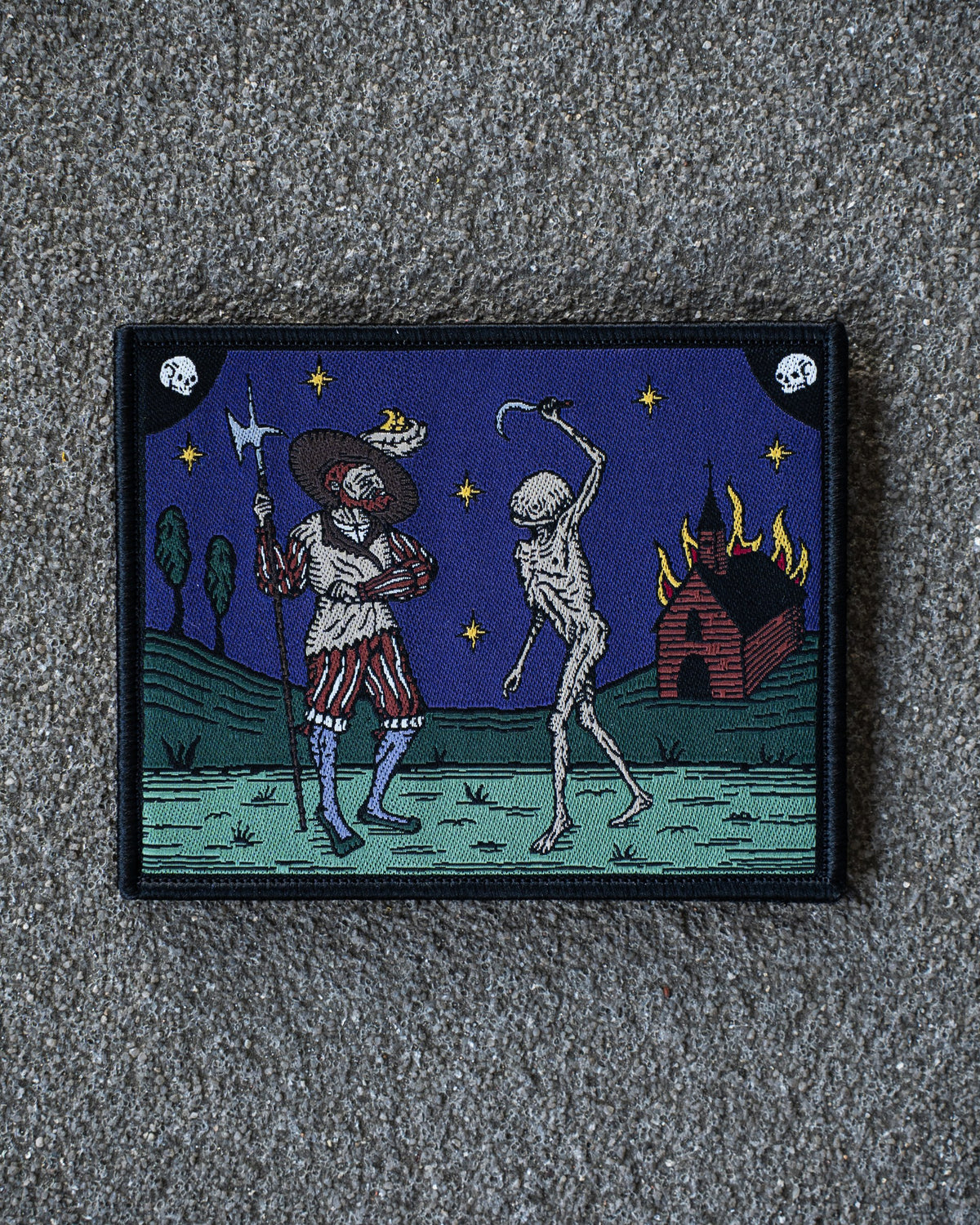
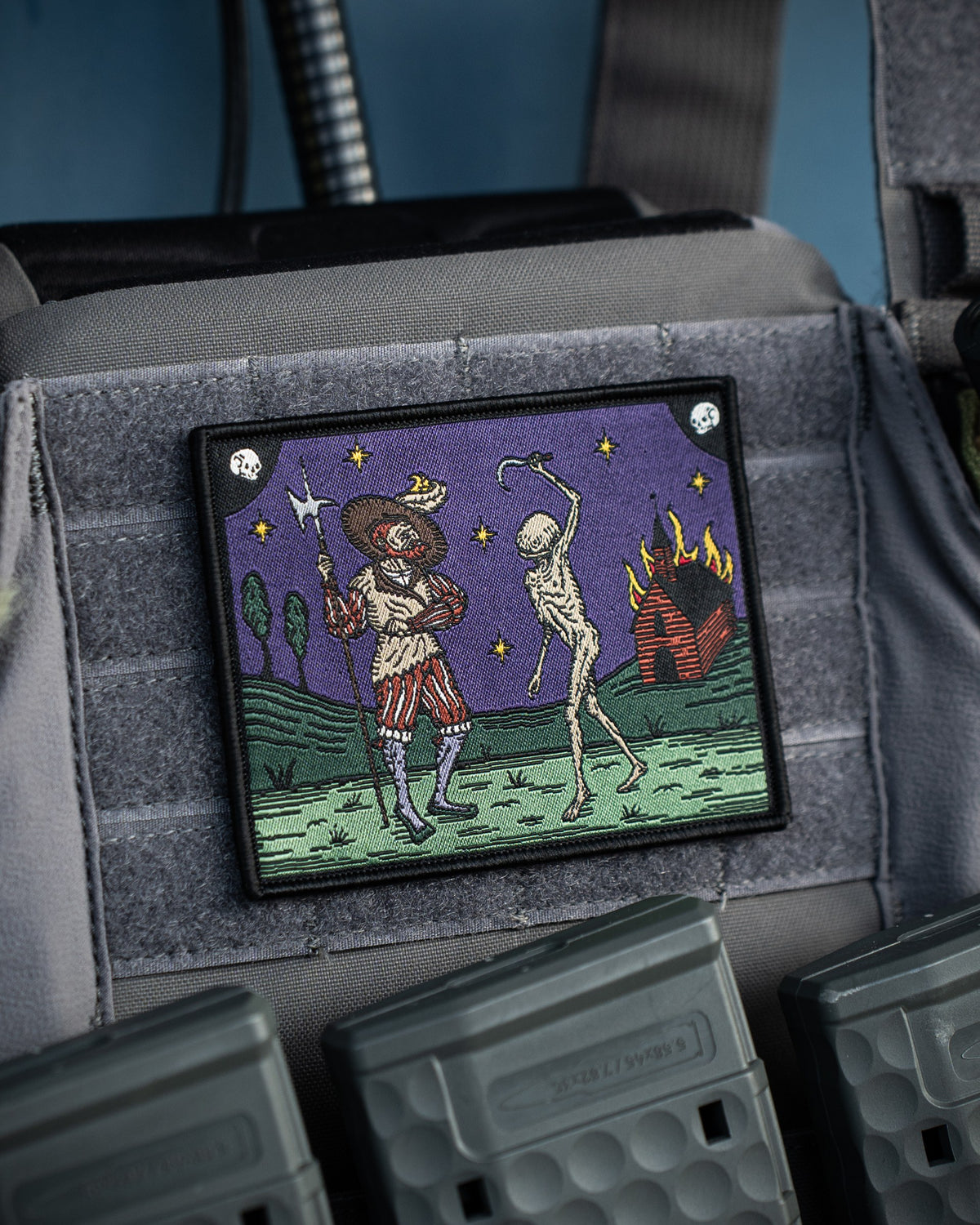
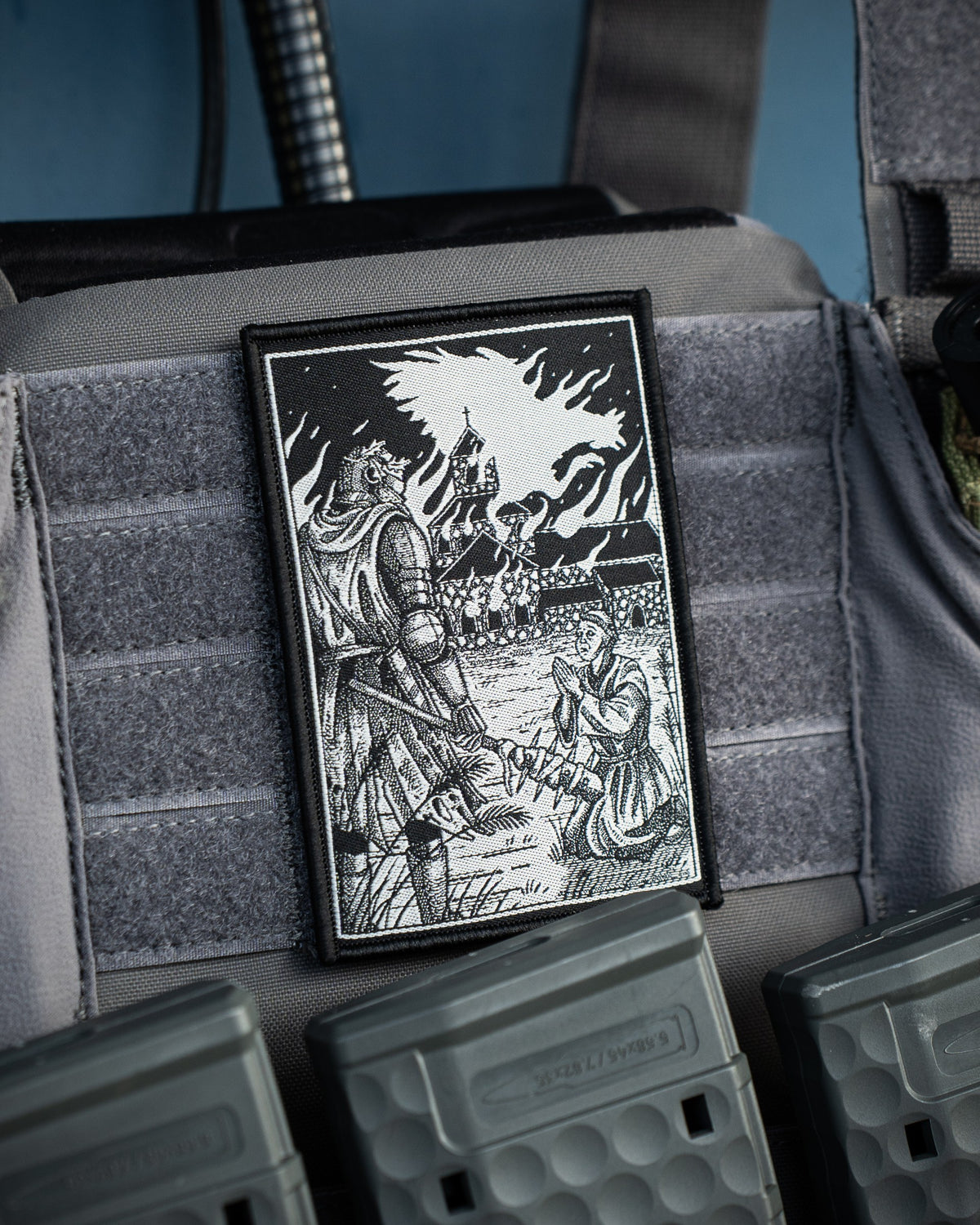
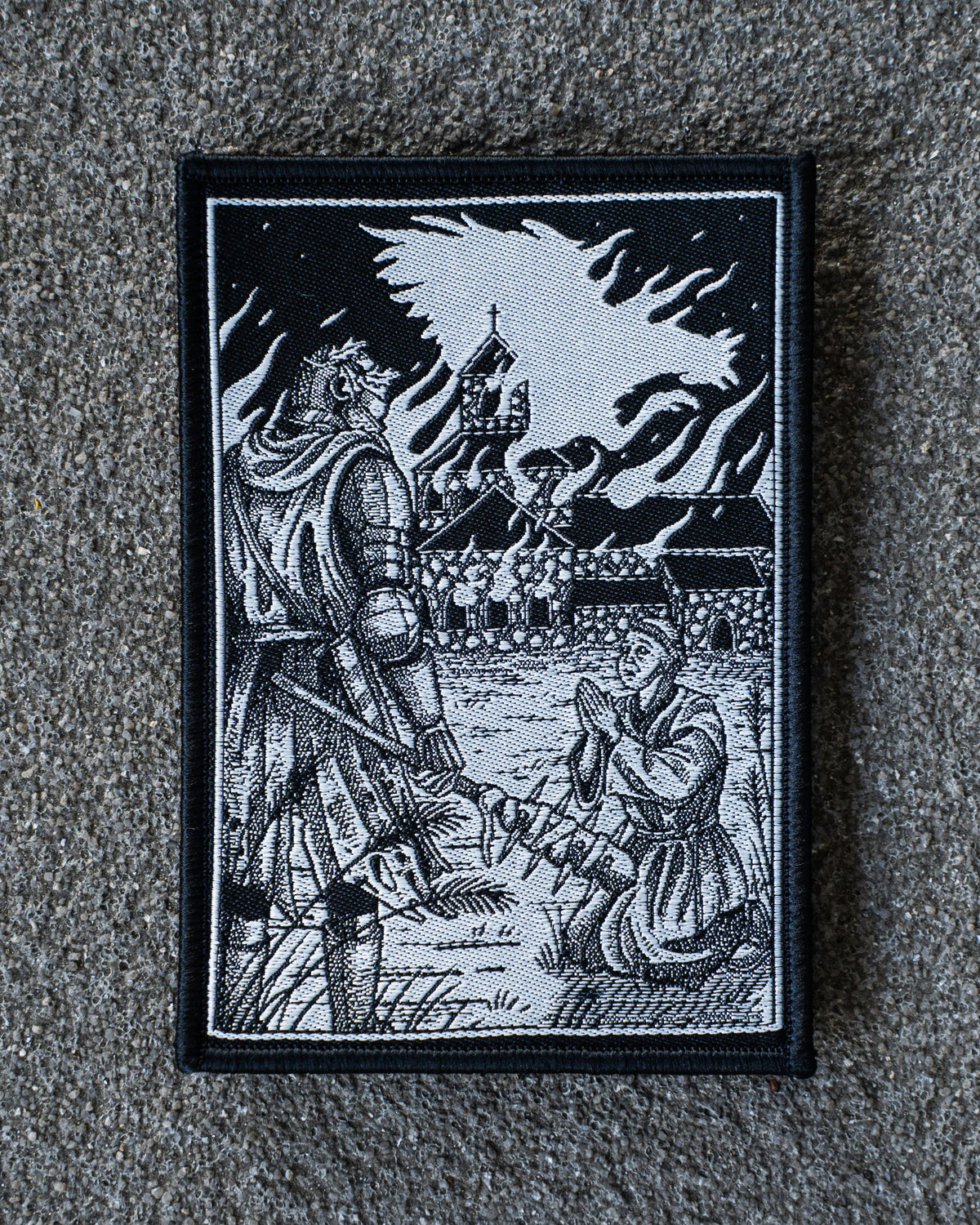
Shortly before sunrise the roof of the charnel house caught fire.
No one knew who had set it.
Perhaps a torch had fallen. Perhaps a farmer had wanted to watch his debts burn. Perhaps it had been Götz himself, who understood that a plundered monastery demands revenge, but a vanished monastery leaves only rumours.
The wind caught the flames and carried them to the main building.
“The red rooster,” said one of the old farmers.
Then the bell began to ring.
The rope had long been burning in the tower, but the beam gave way in the wind and struck against the metal again and again. The sound moved across the valley while sparks fell onto the fields and the men loaded their spoils onto wagons.
Rotmund's company left the monastery at daybreak.
Götz rode beside the captain, wrapped in the abbot's gold-embroidered cloak. Behind them the Landsknechts marched with full pockets, heavy heads and the torn-out monastery gate as a new shield mounted on one of the wagons.
At the bridge their ways parted.
Götz intended to ride north, to use the stolen silver to hire men and reclaim his old castle. Rotmund headed west, where a new war had begun and some other lord urgently needed soldiers who did not ask too many questions.
Before they rode apart, Götz asked under which sign the company would march from now on.
Rotmund looked back toward the monastery.
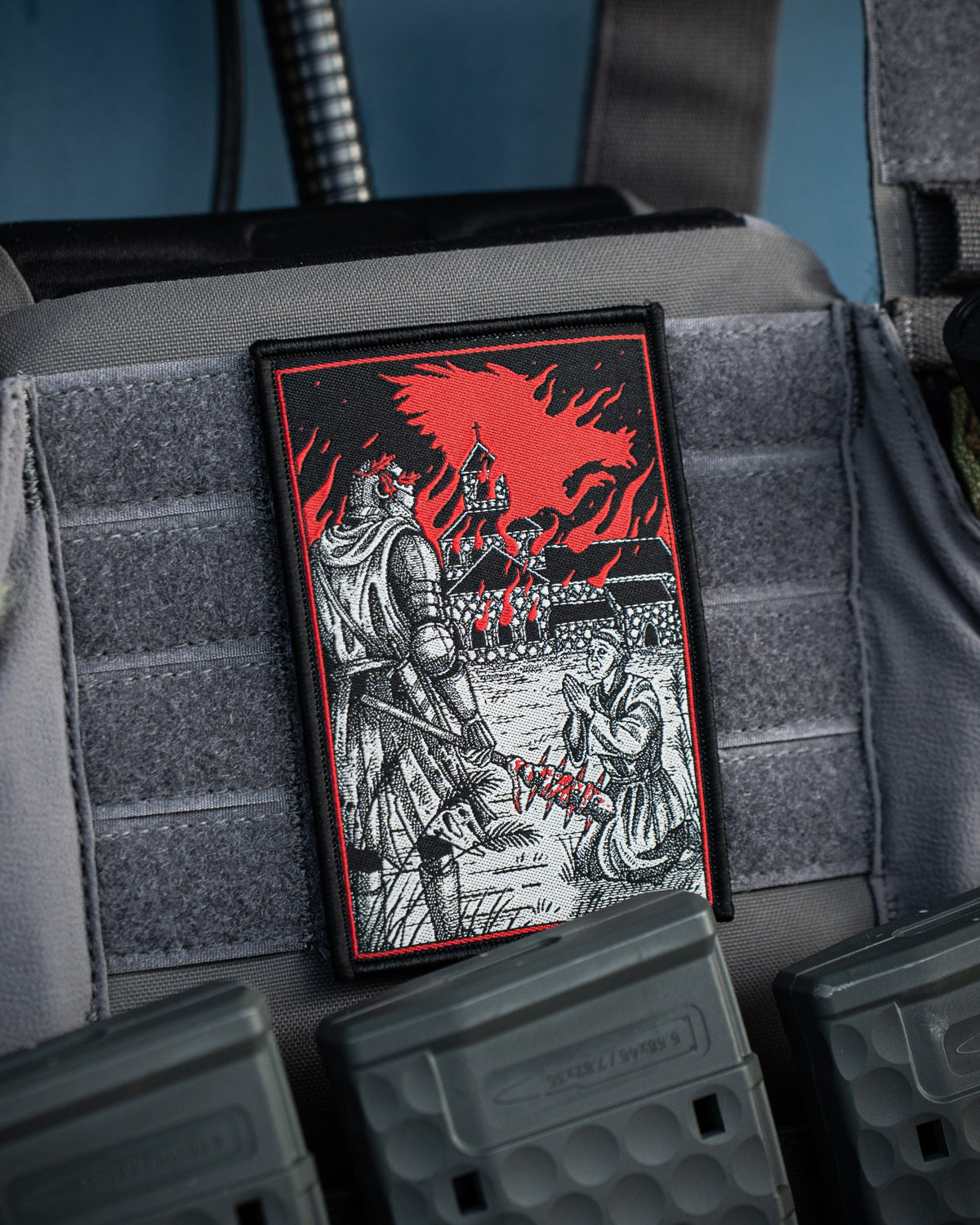
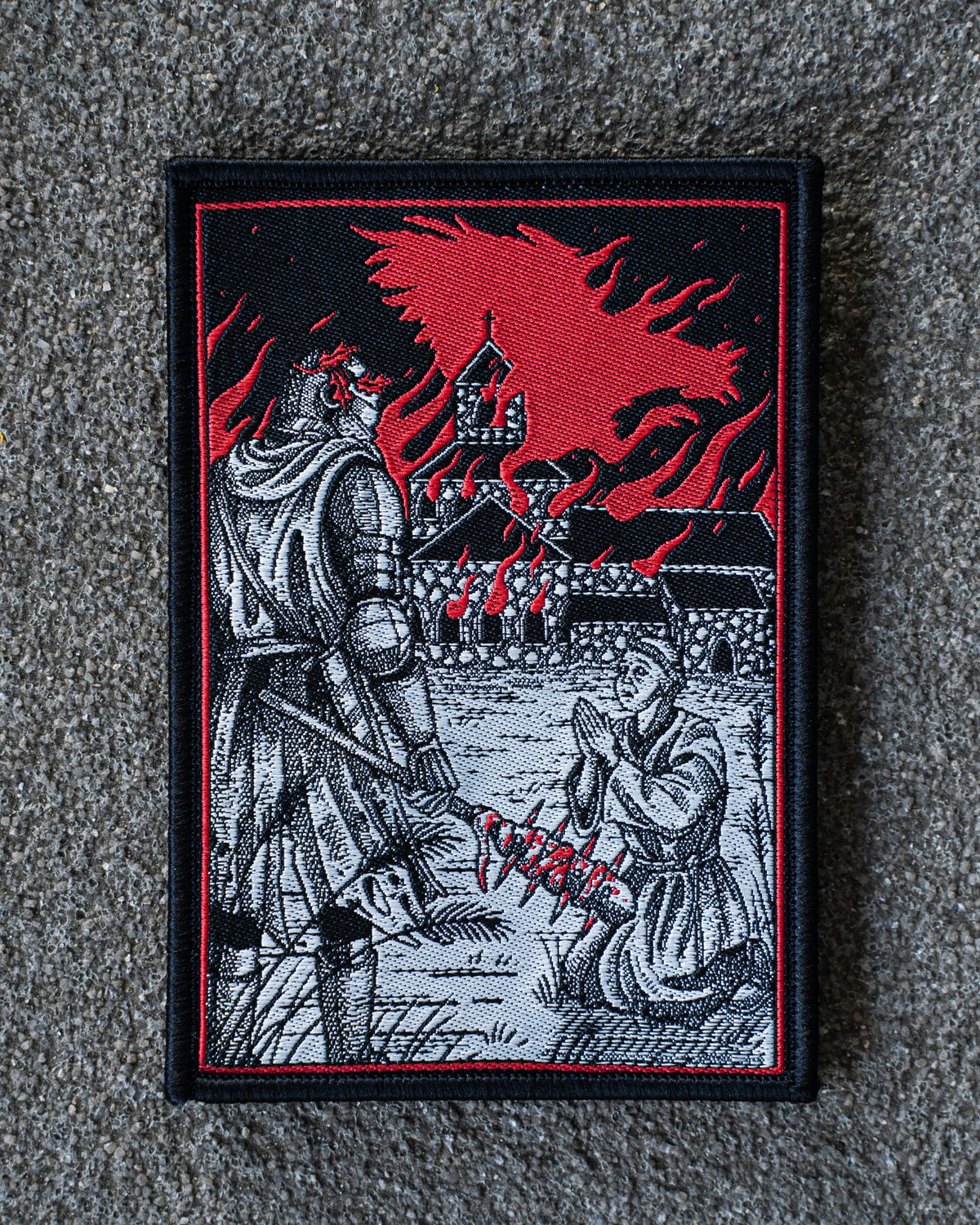
Above the walls the smoke stood black in the morning sky. On the ridge of the roof a last beam still burned. From a distance it looked as though a great red bird sat there.
The captain drew his Katzbalger and raised it toward the fire.
“Under no lord anymore,” he said.
From the ranks someone answered:
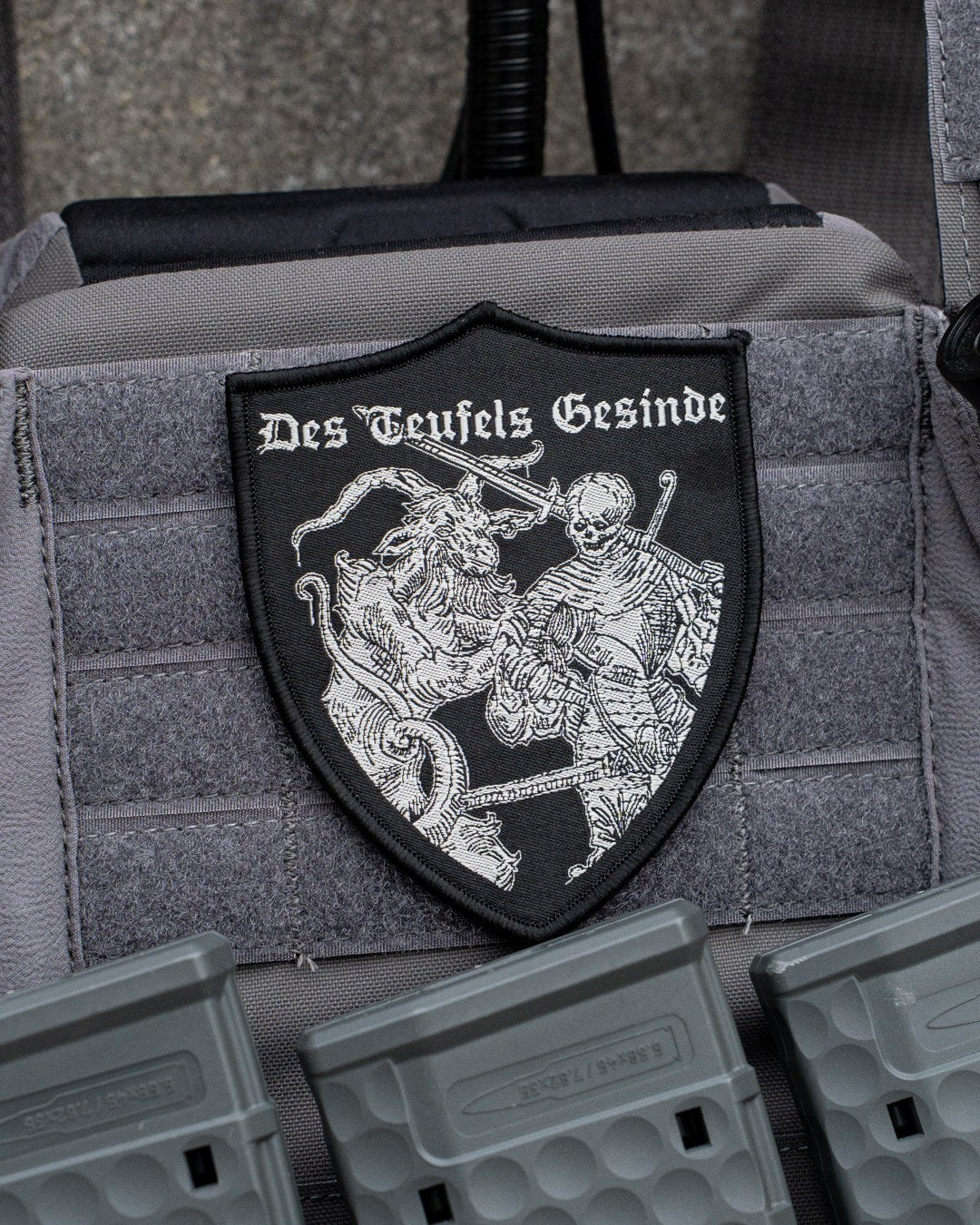
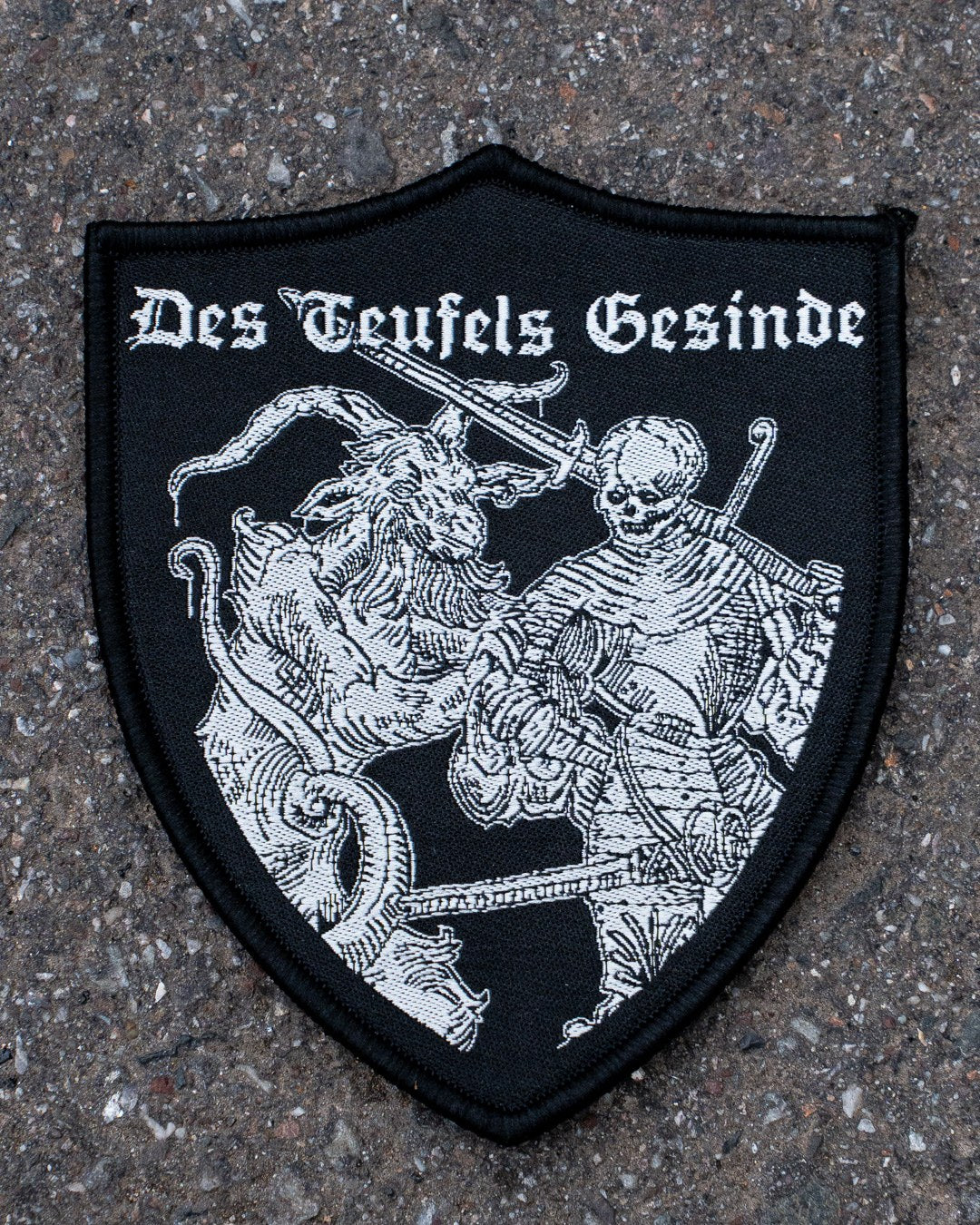
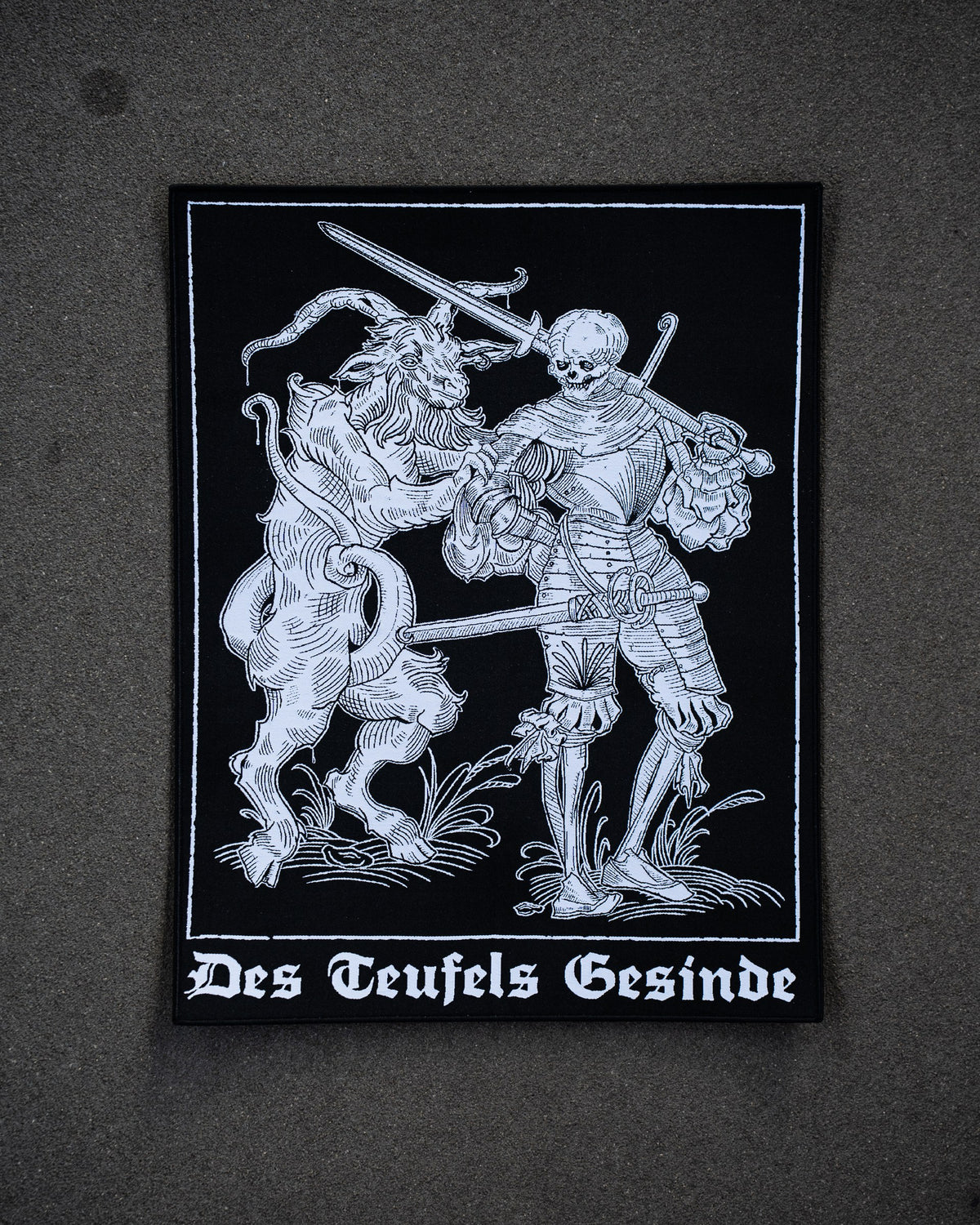
“Des Teufels Gesinde!”
Others took up the call, first laughing, then louder, until it crossed the river and moved through the forests.
The prince later sent men to find those responsible. They found a burned monastery, empty storehouses and the abbot at the roadside, dressed in nothing but his shirt and a split rosary.
Of the gold there was no trace.
Of the robber knight it was said he bought back his castle and then charged the merchant at his own gate. Others claimed his men killed him for the spoils before that same winter was out.
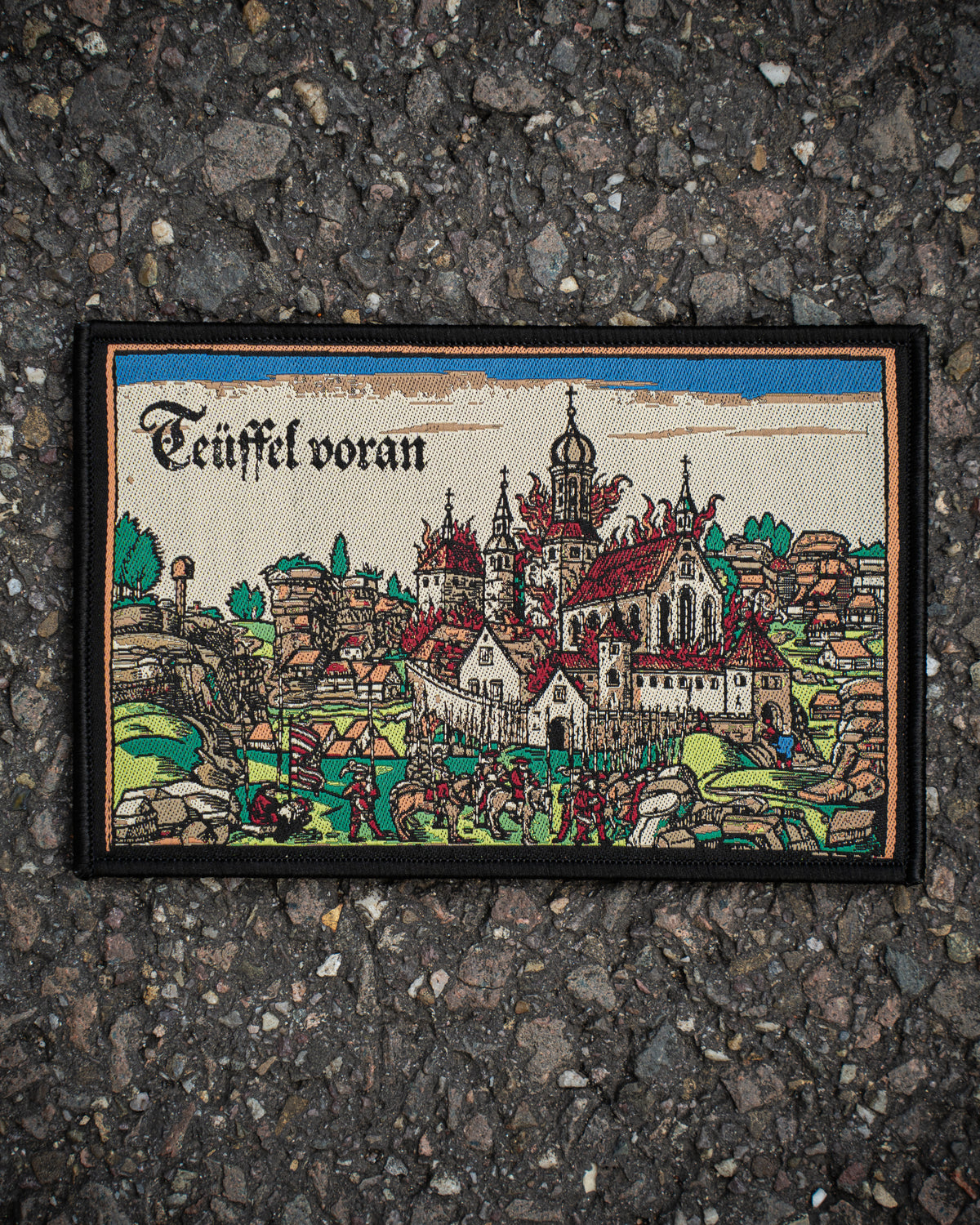
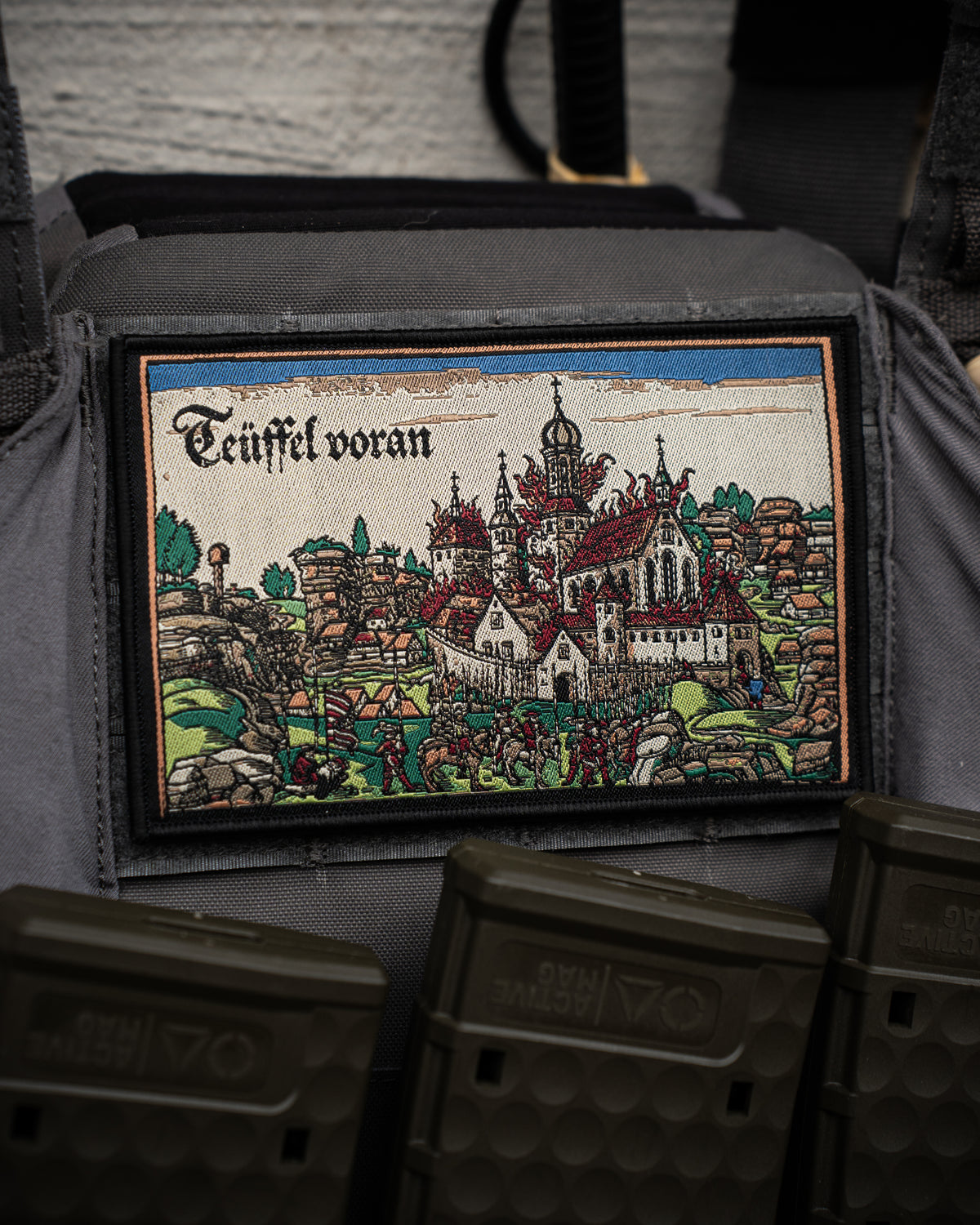
Rotmund's company was seen the following spring in another war. It carried no prince's banner anymore. On the standard stood only a red rooster before a burning roof.
Beneath it two words:
TEUFEL VORAN.
Whether the story is true does not matter.
The road below the monastery was avoided for many years afterward. Travellers claimed to hear drums there at night, and sometimes a knight on a starving horse was said to stand between the trees, one hand outstretched and the old chain at his feet.
No one knew anymore to whom the road belonged.
And since then it is written:
WHERE LORDS PAY THEIR SOLDIERS IN LIES, THE RED ROOSTER CROWS FIRST ON THEIR ROOFTOPS.