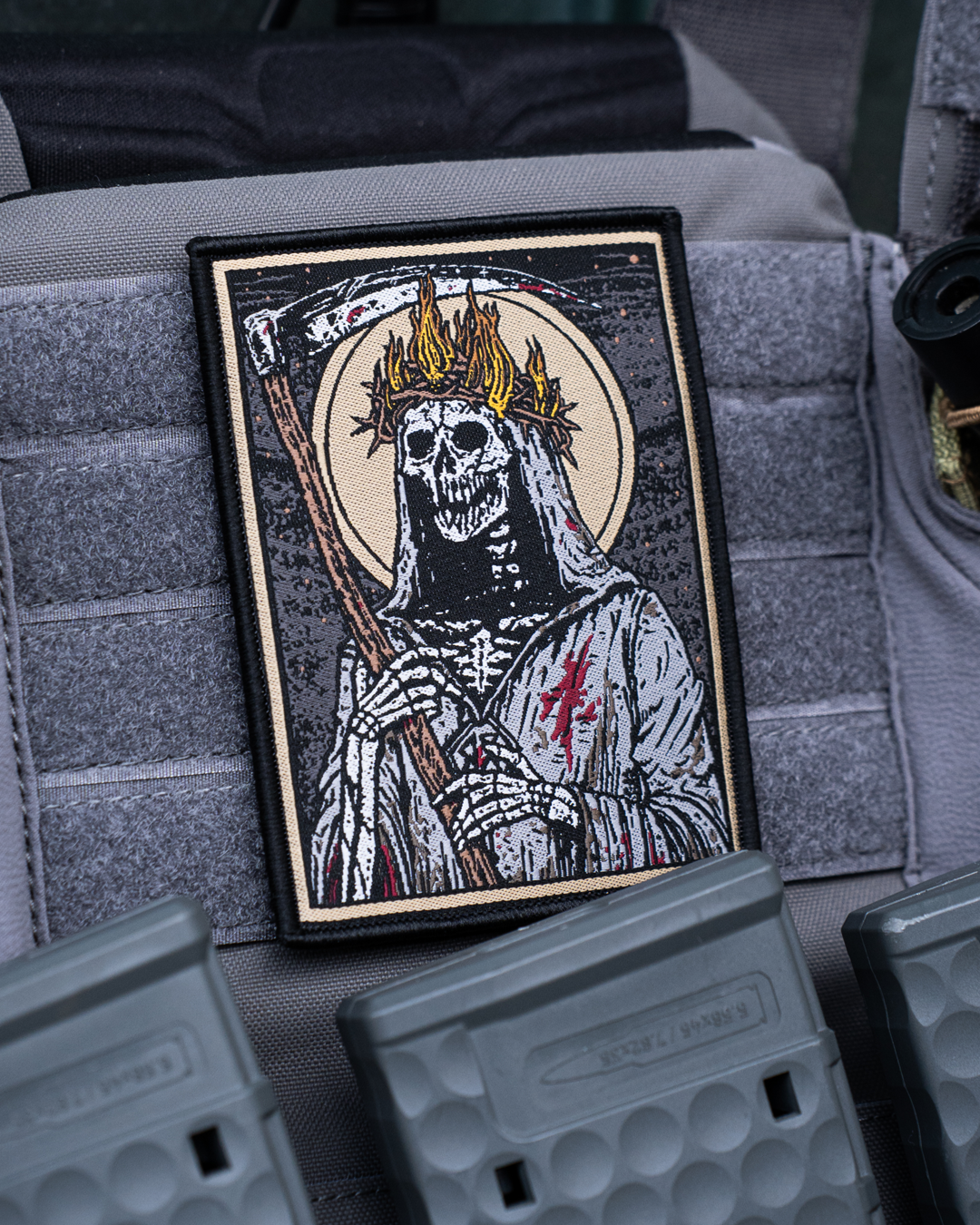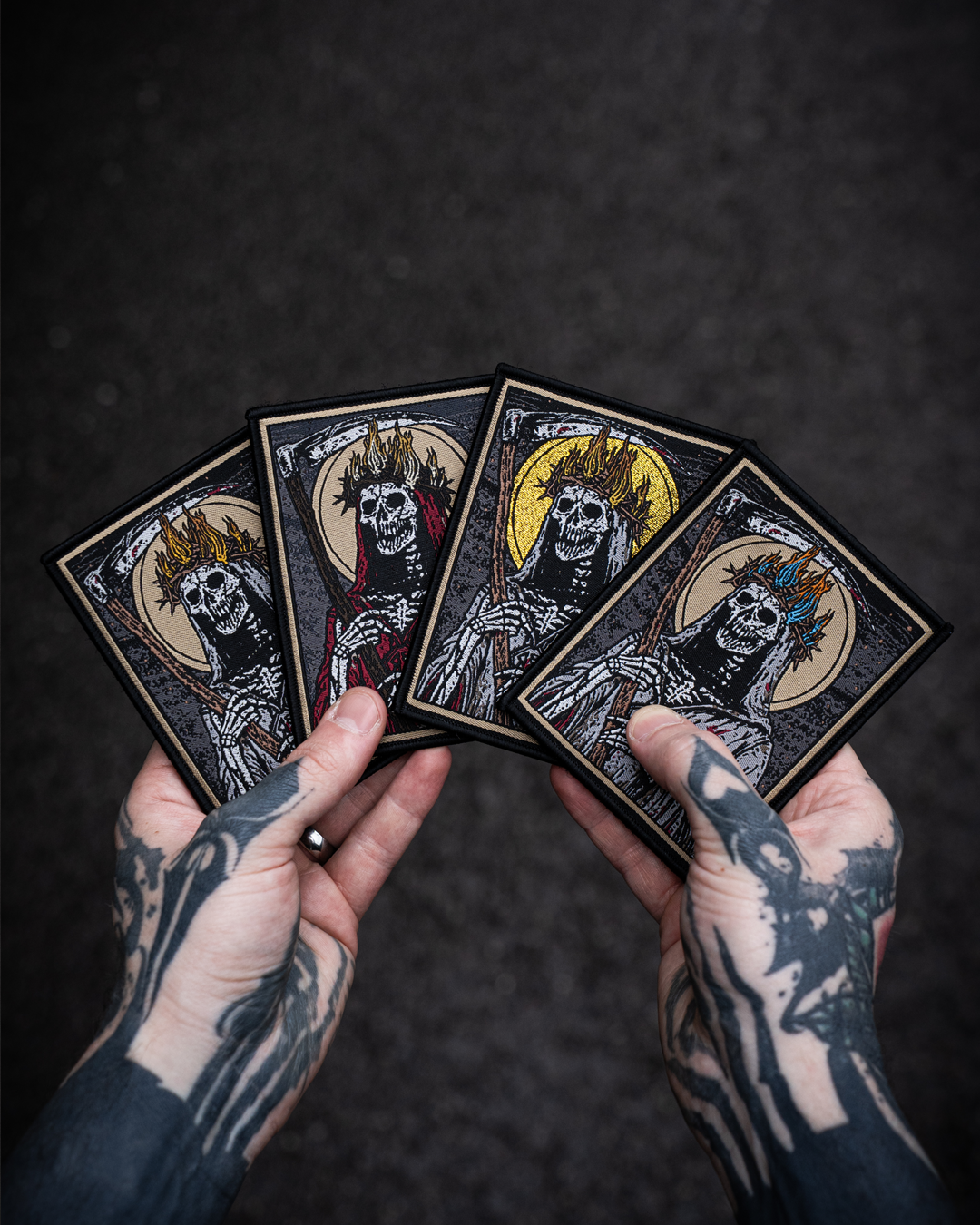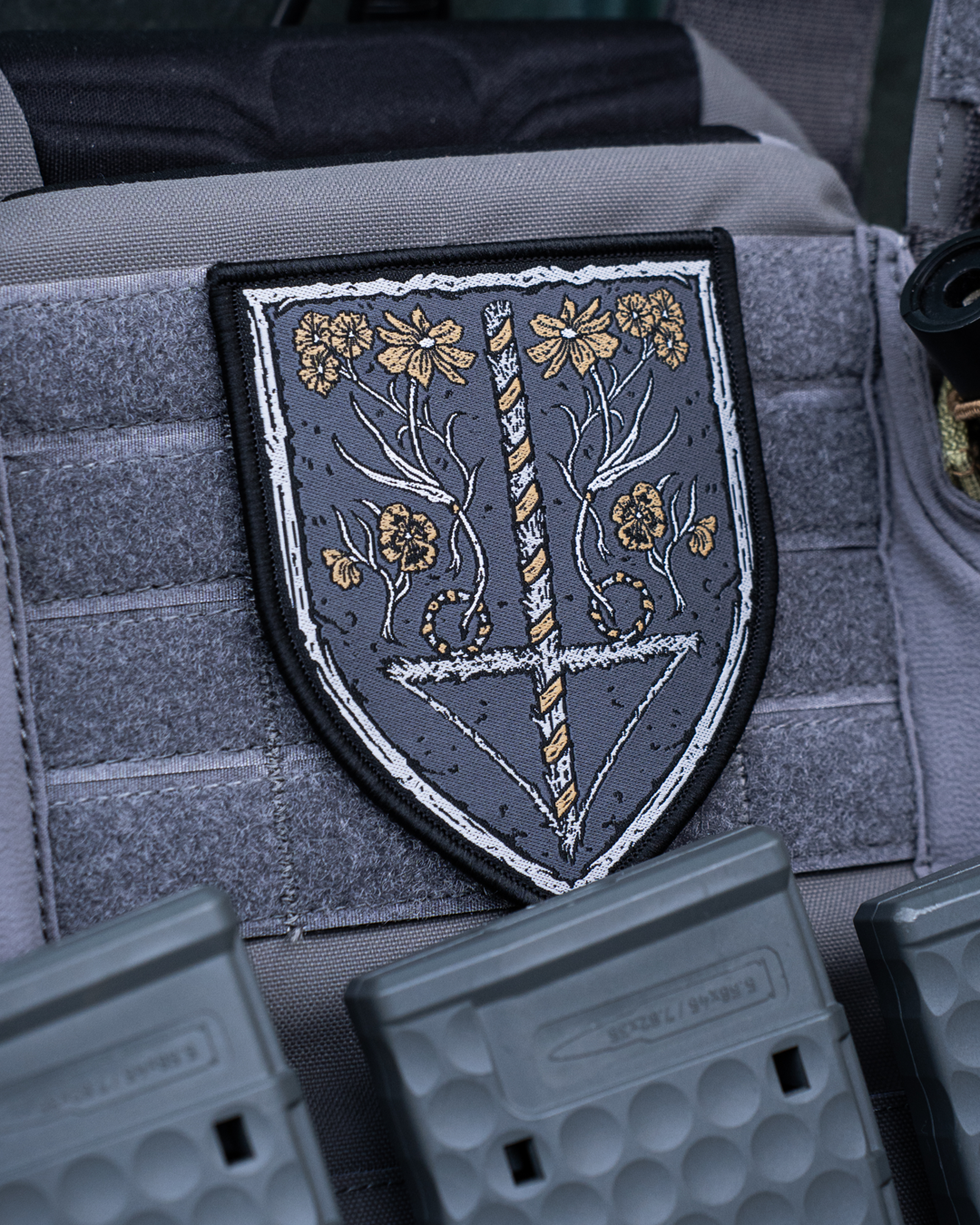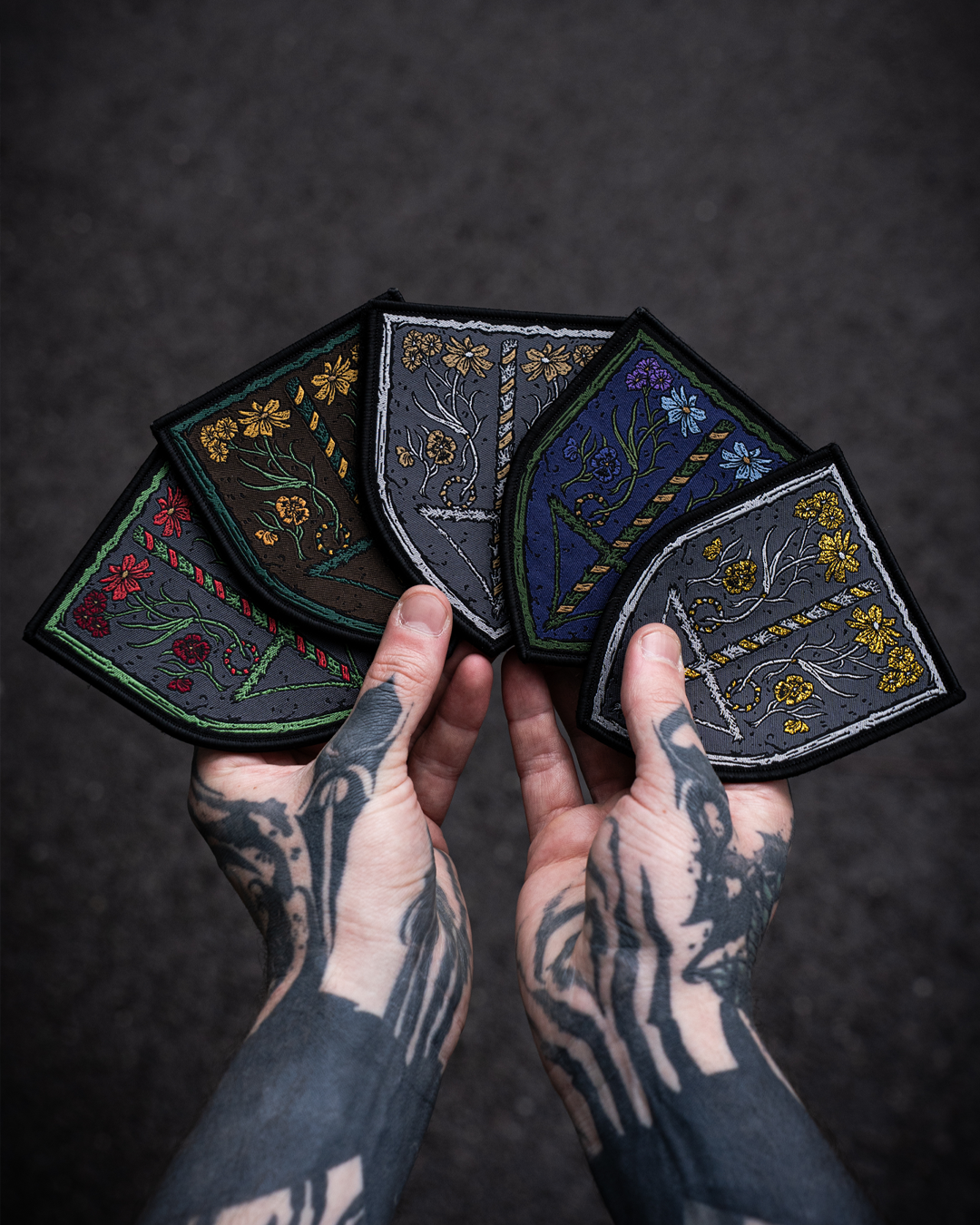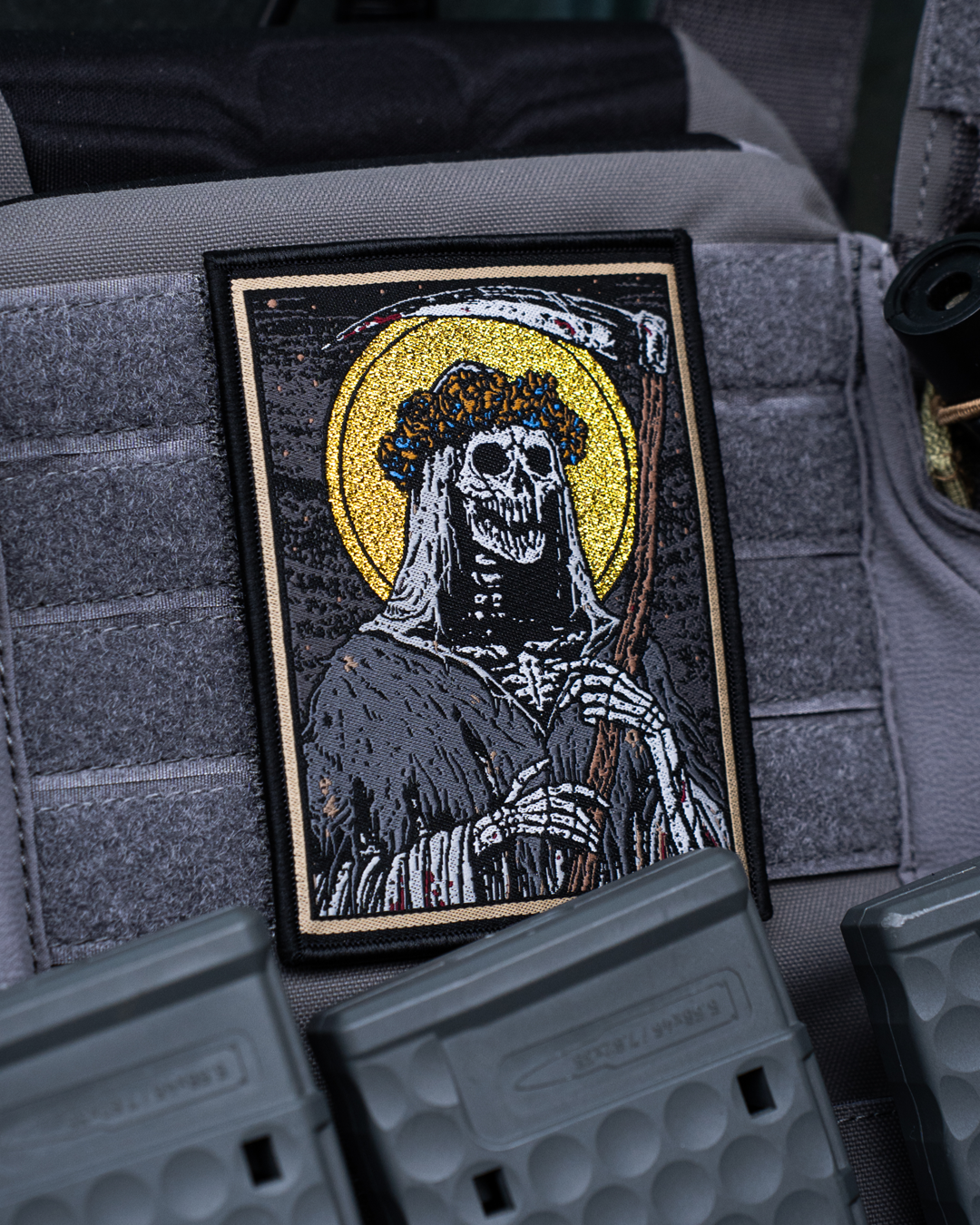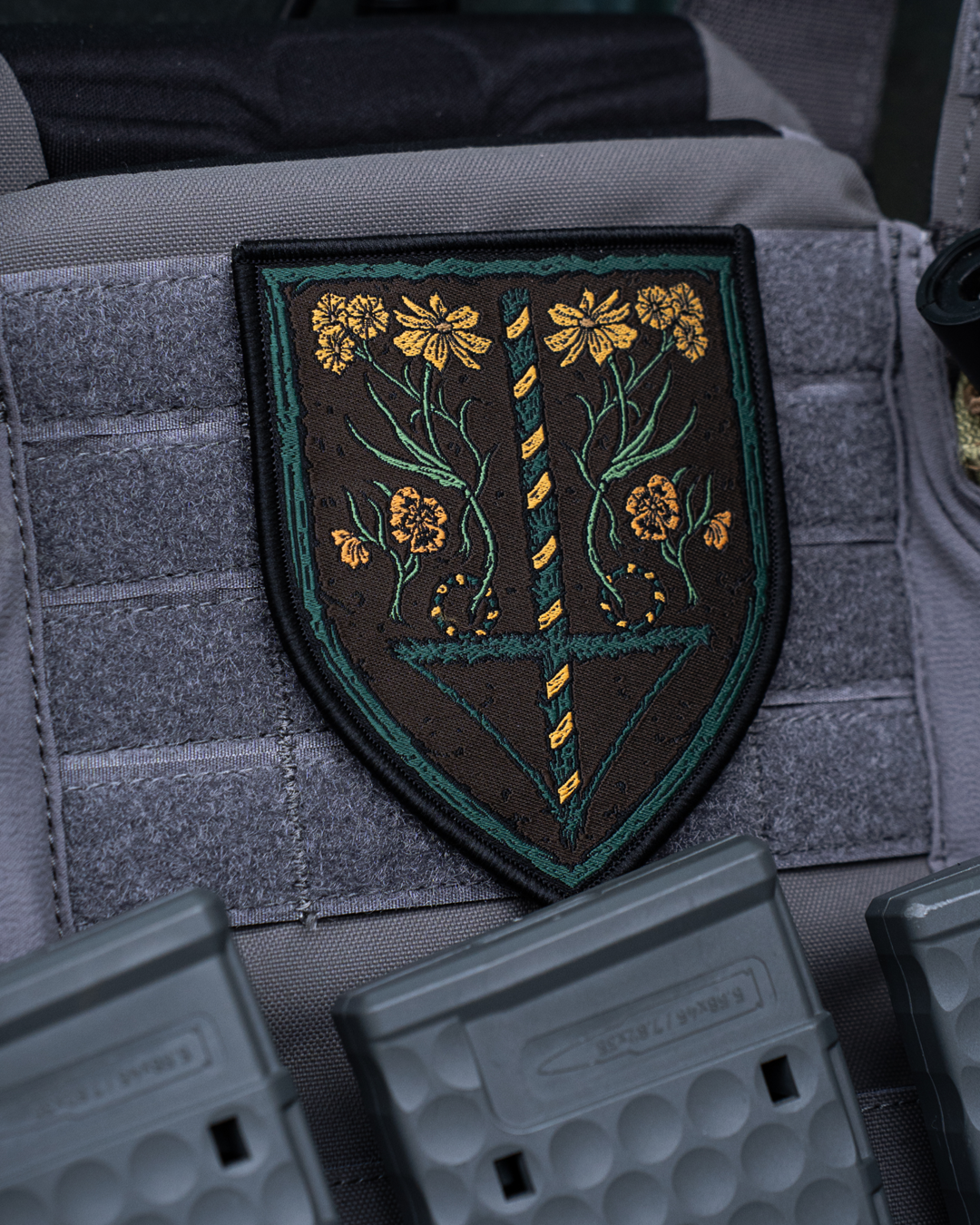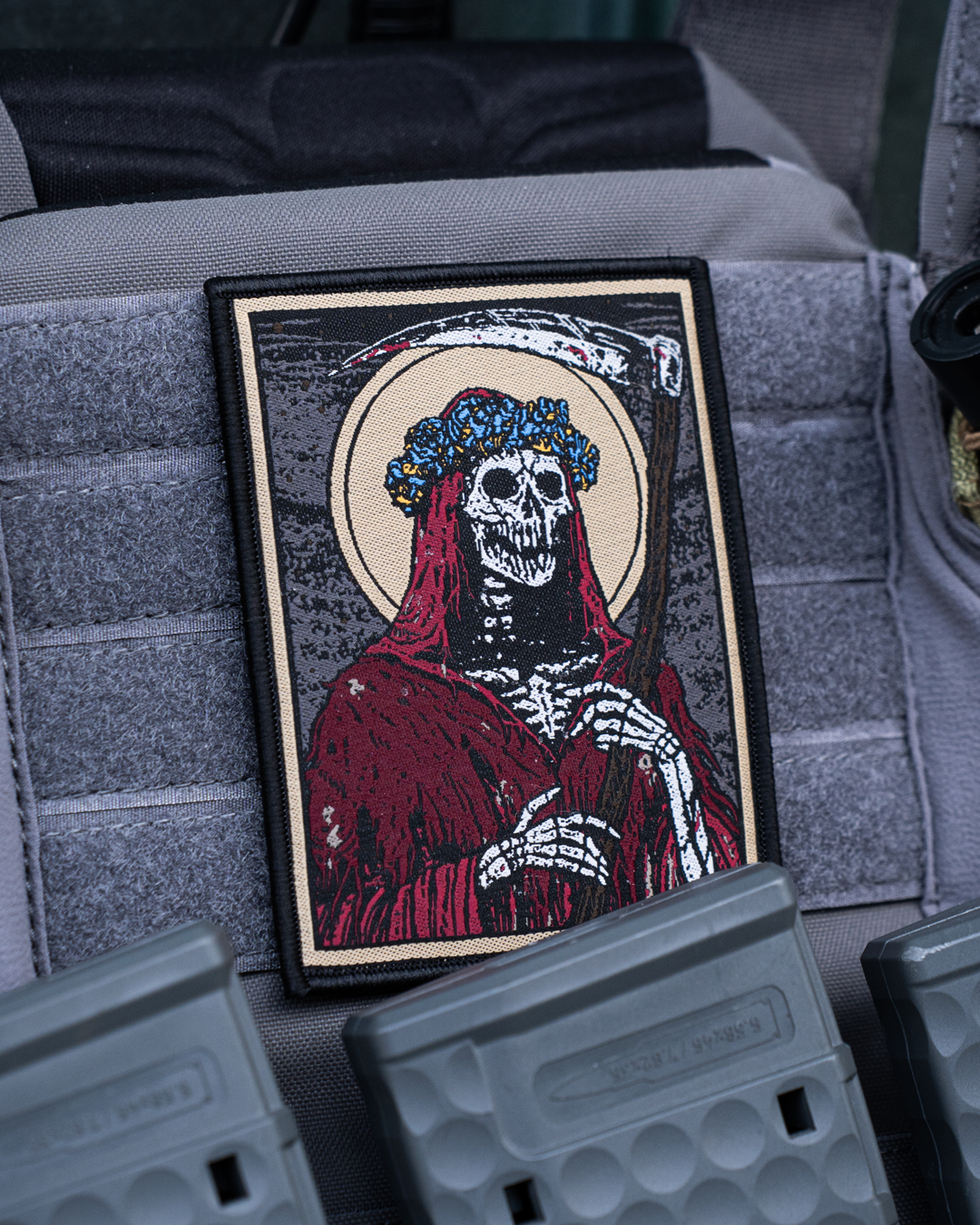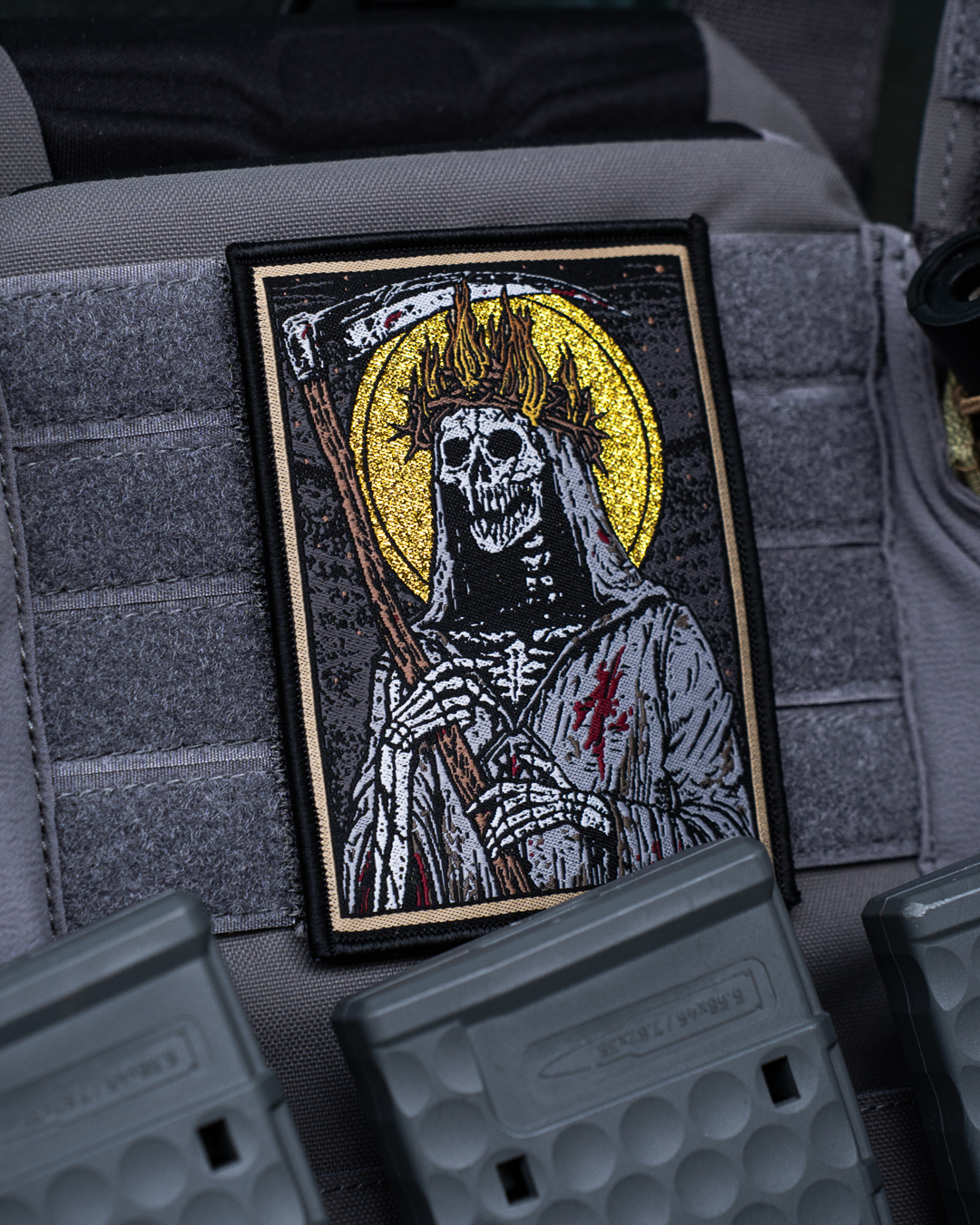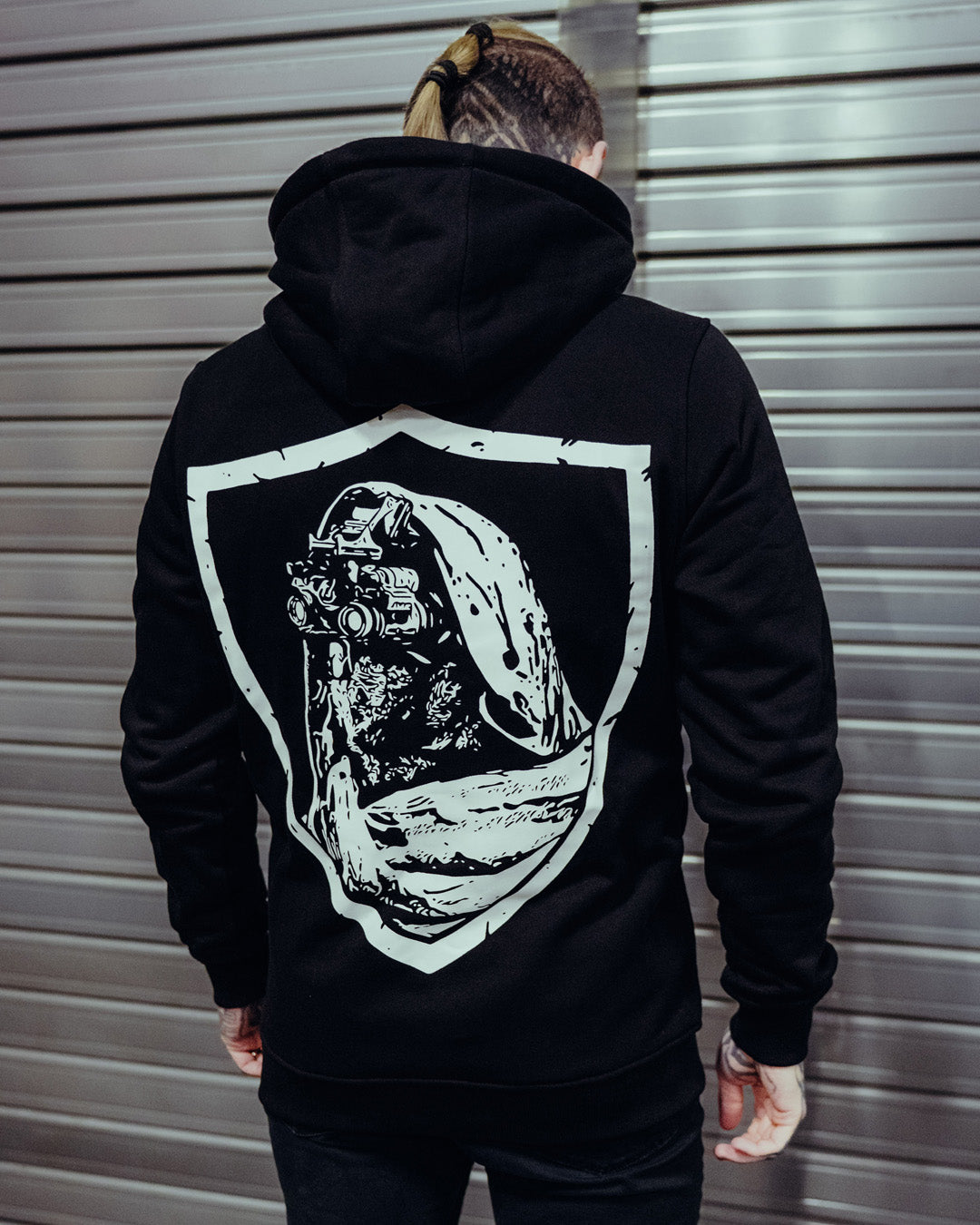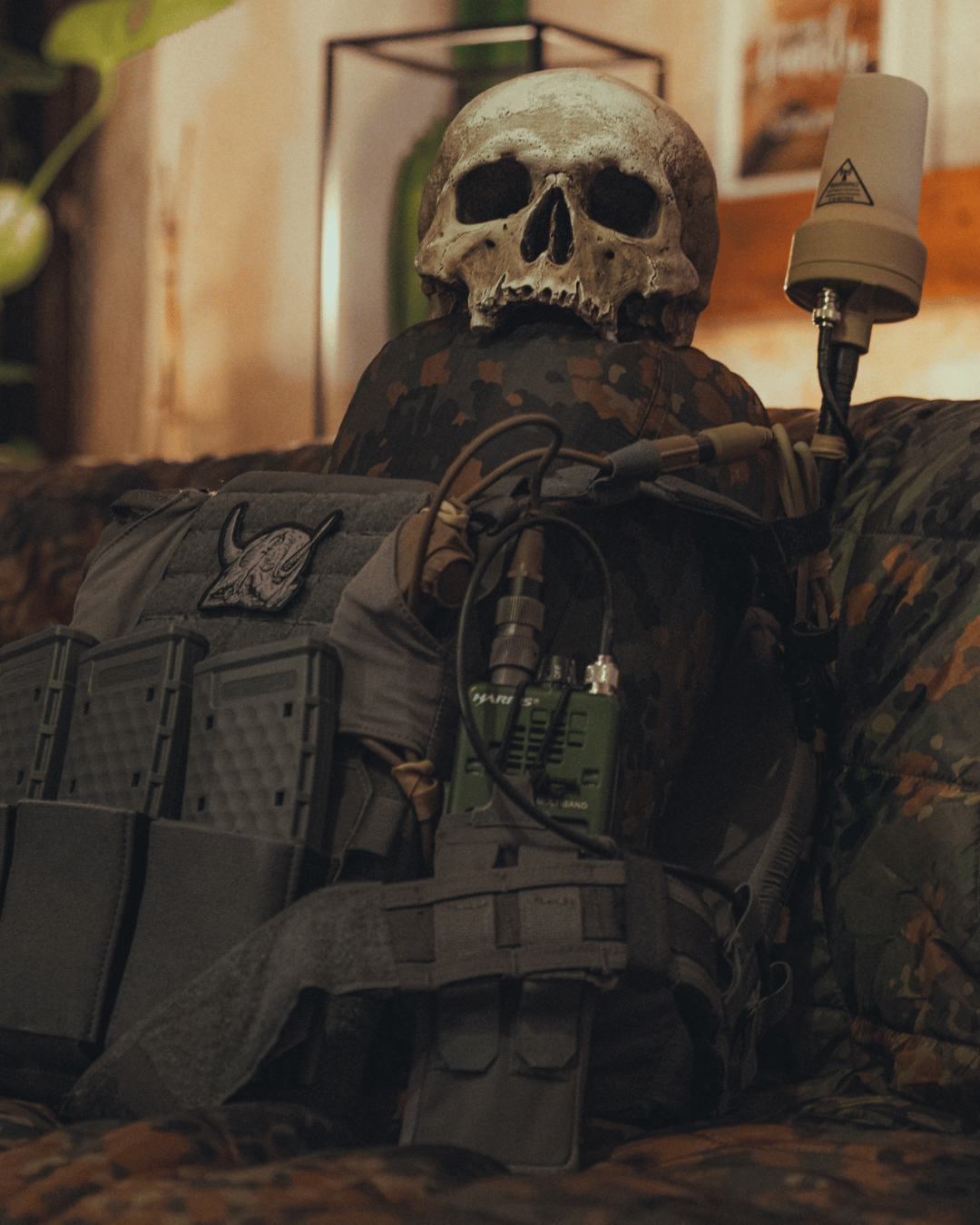

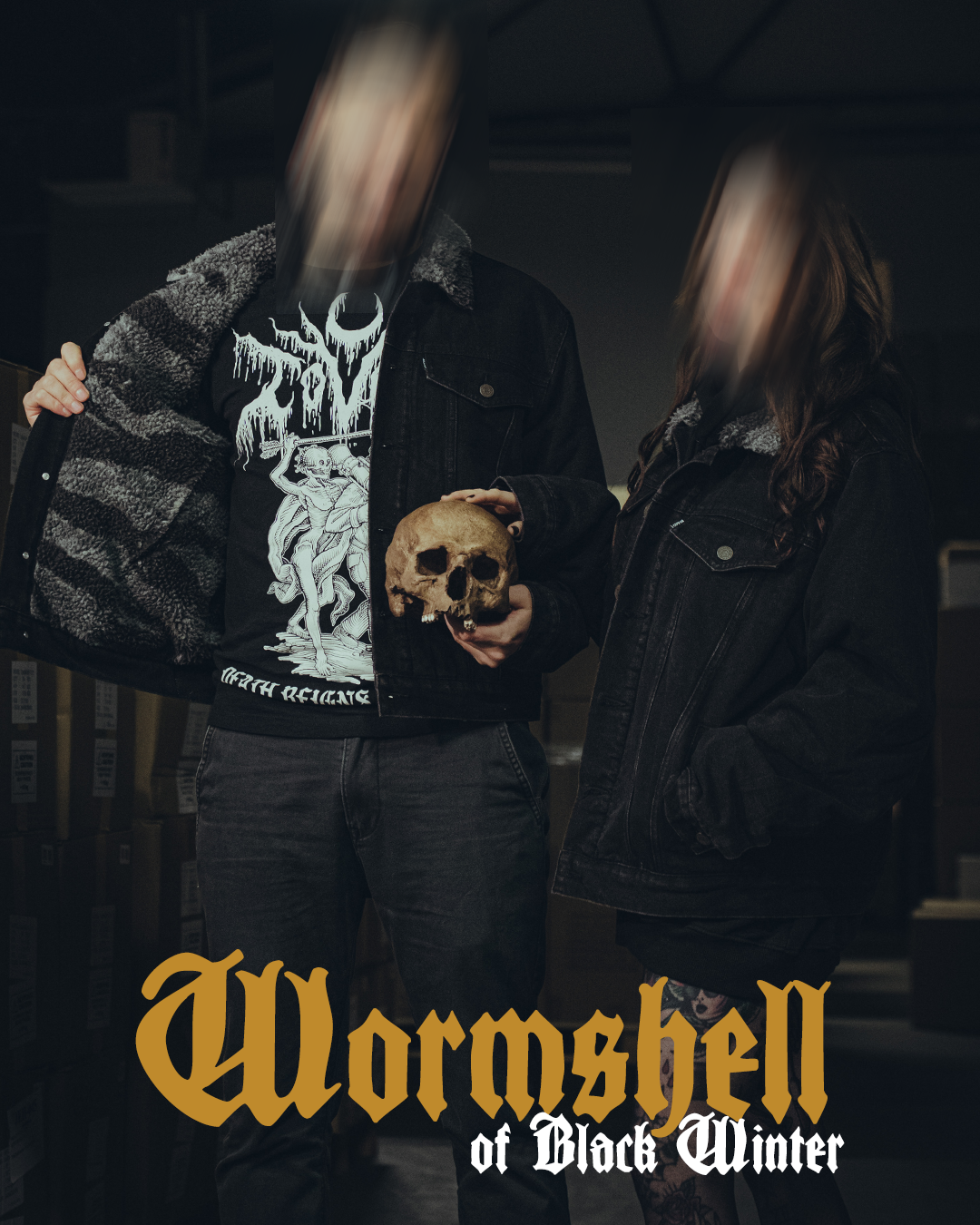
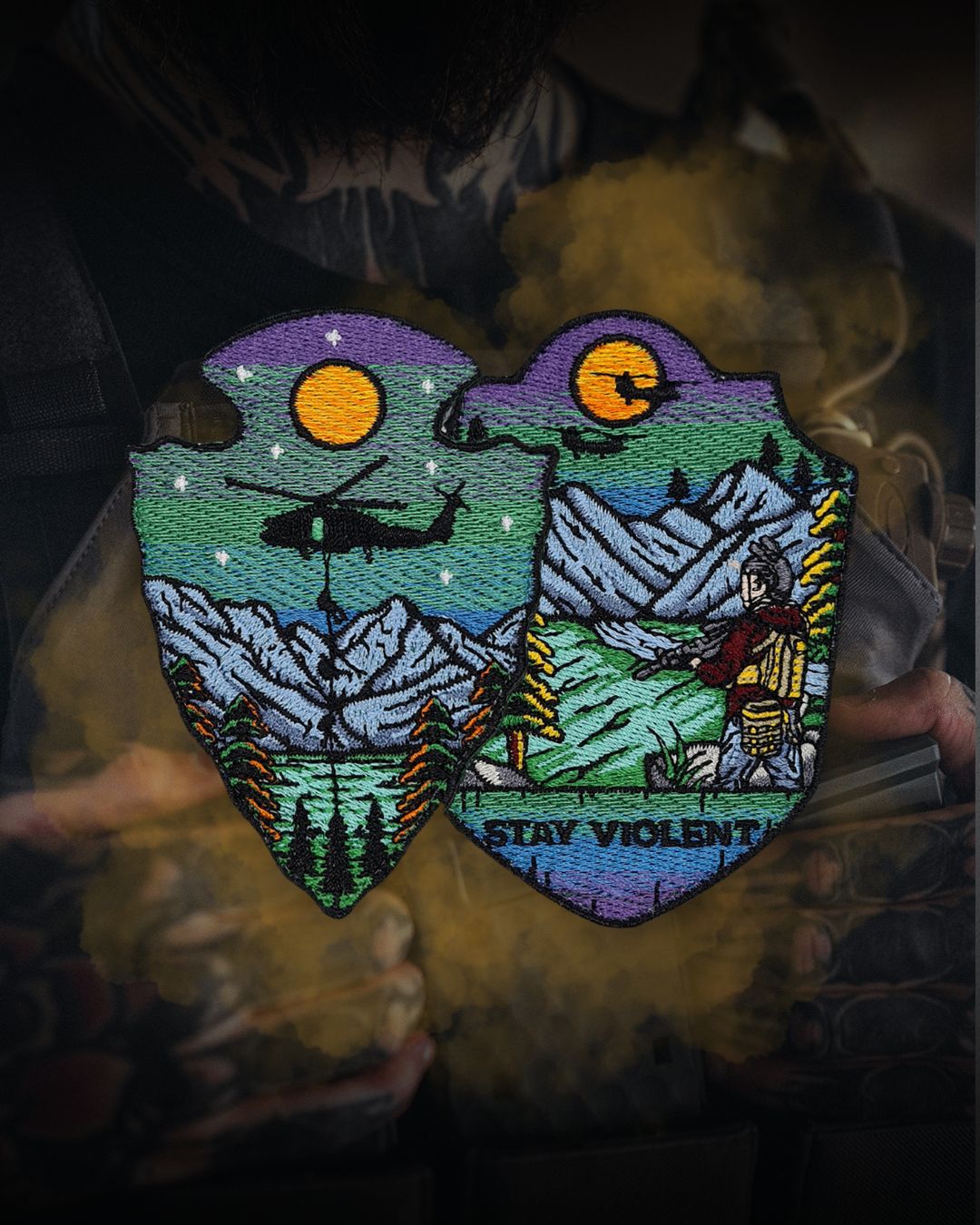






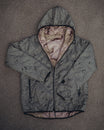



DROP ON 2026-06-21 - 11:00 CET

MOURNFUL MIDSOMAR

"Under the longest sun, dying has already begun."

A Year Without Saints.
The Coven Wheel of the Yearfollows no divine calendar.
Nineteen festivals mark the cycle – each of these nights twists a familiar ritual, desecrates a symbol, or turns something familiar into something foreign.

And with each successive festival, the year takes a deeper hold.

What once seemed like a reversal slowly begins to create its own state. The old meanings still stand, but they appear emptier with each passing night.

Between fire, blood, and silence, the circle continues to close.

What others celebrate as light, we transform into embers and shadows.

WELCOME TO THE ERA OF BLOOD AND SILENCE.

The eighth festival in theCoven Wheel of the Year.

When the sun stands longest over the land, the cult begins to mourn. For what others celebrate as a climax, we recognize as a turning point.

Midsommar was never just a celebration of life. It was always also the night when the light reached its highest point — and from there slowly began to die.

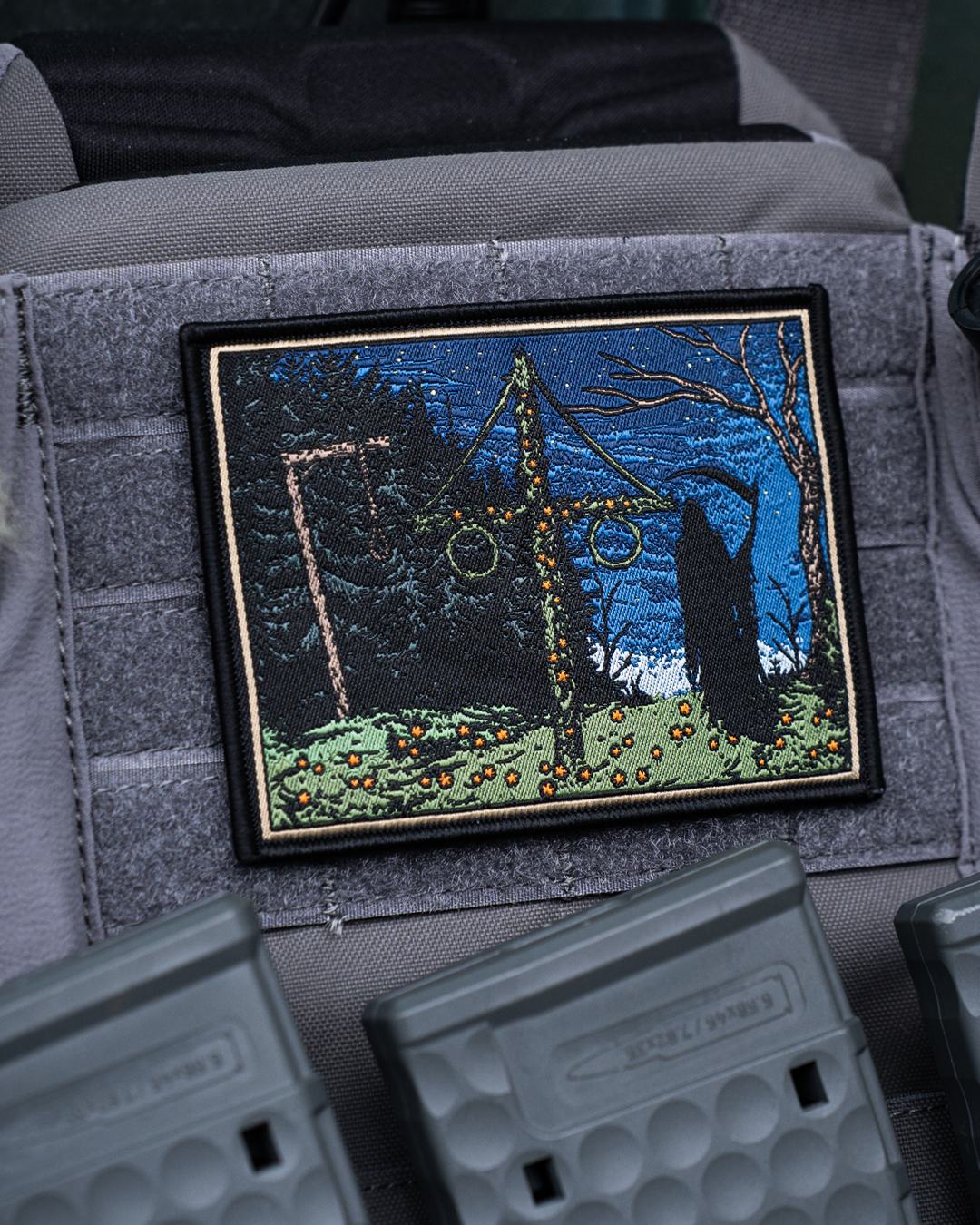
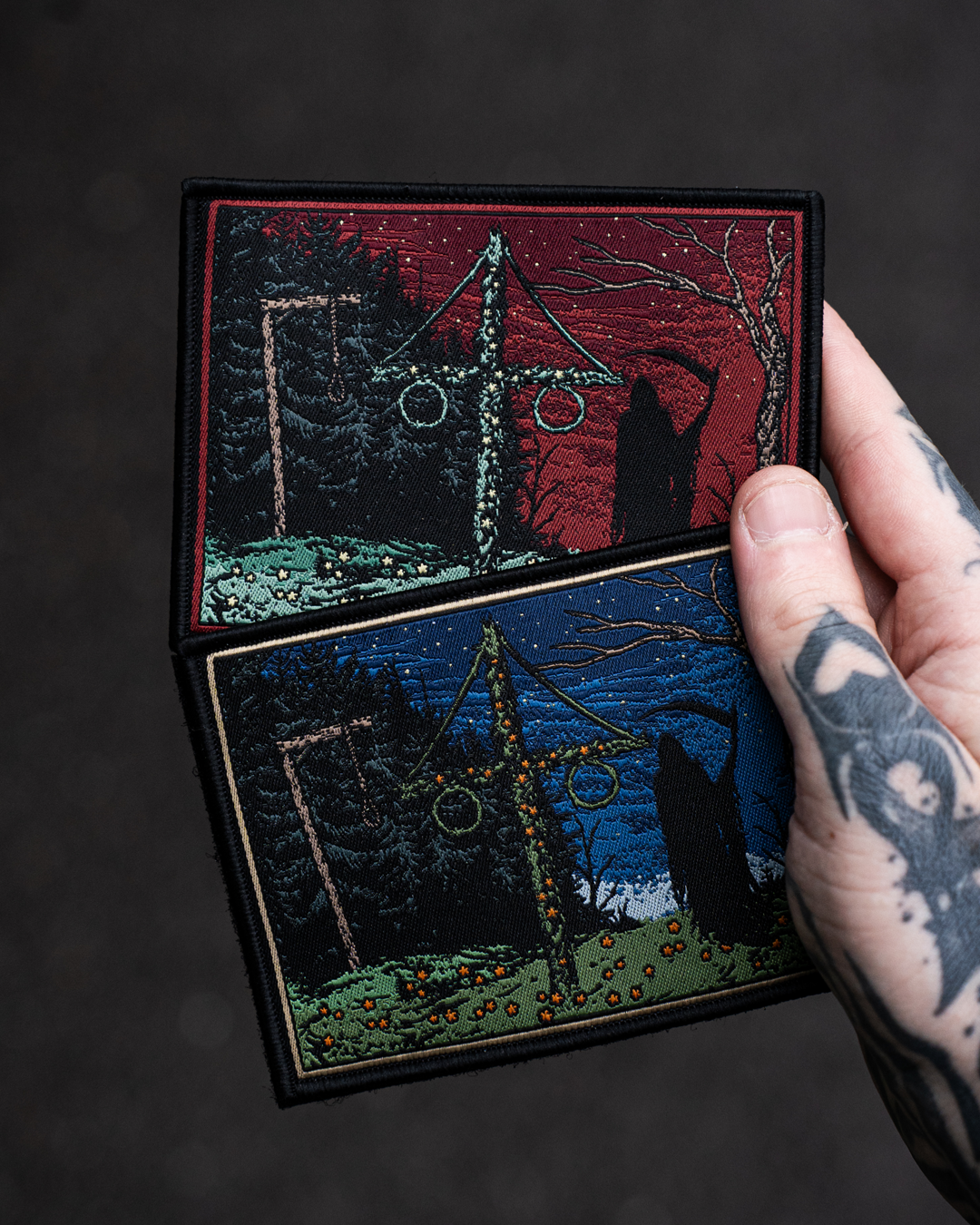
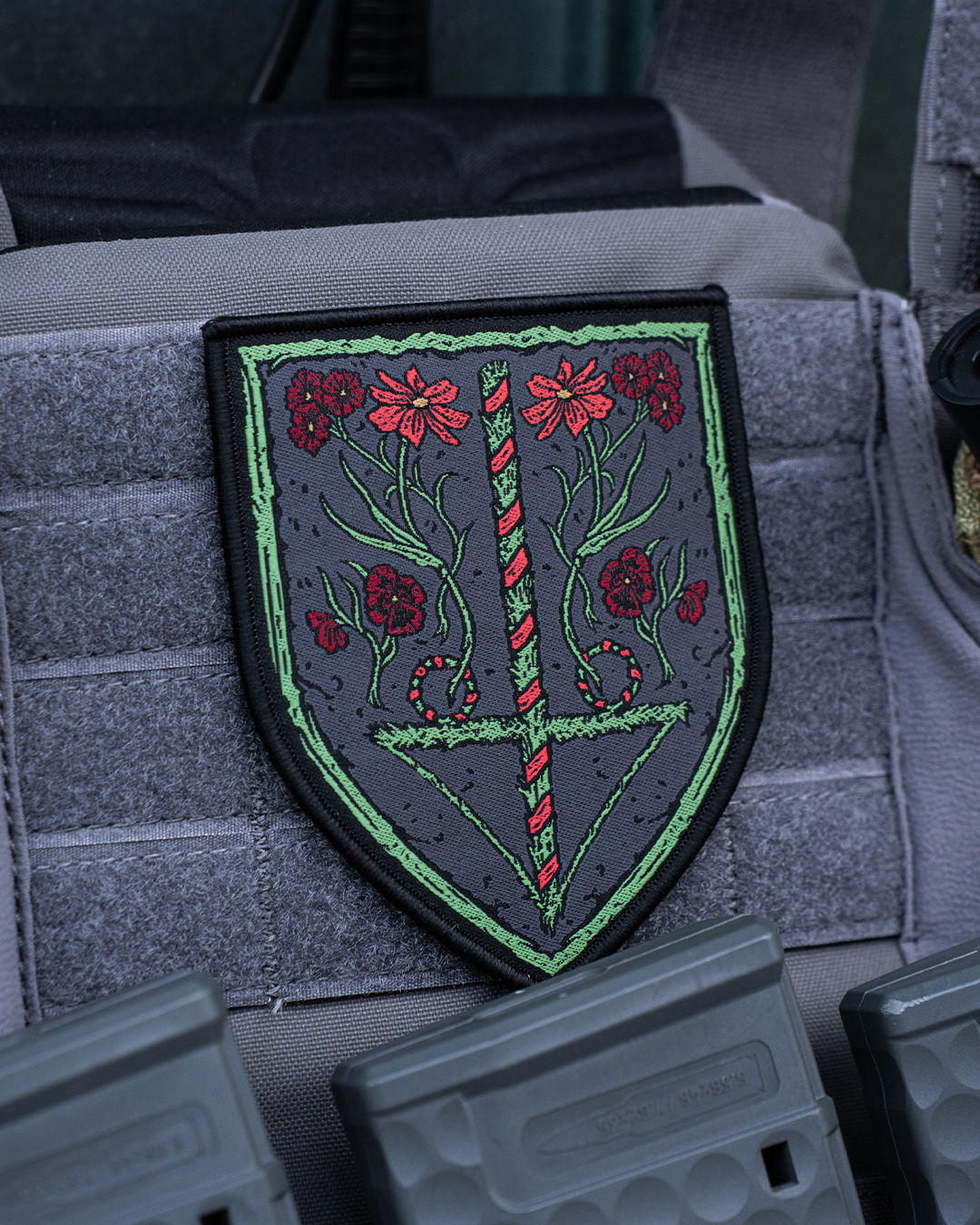
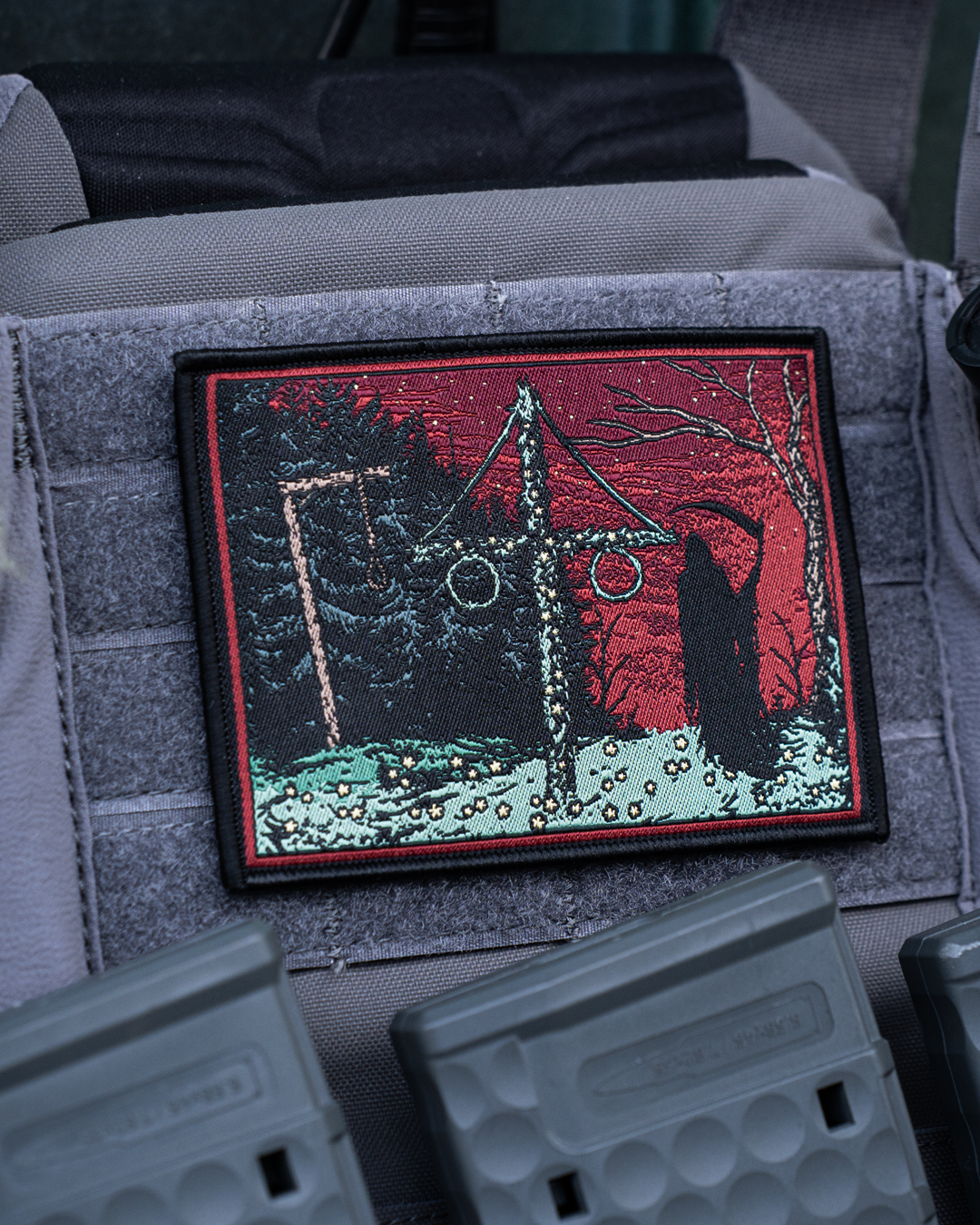
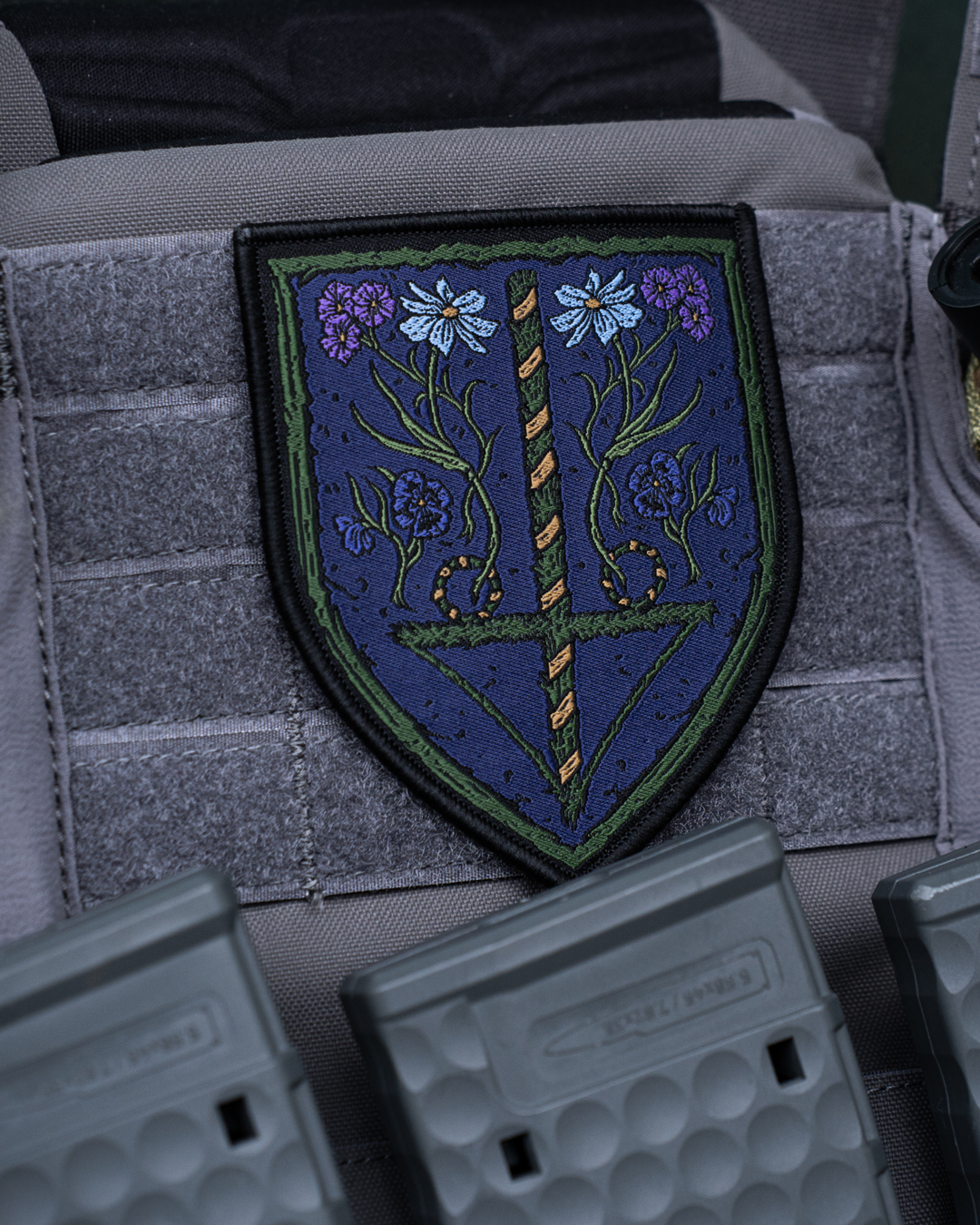
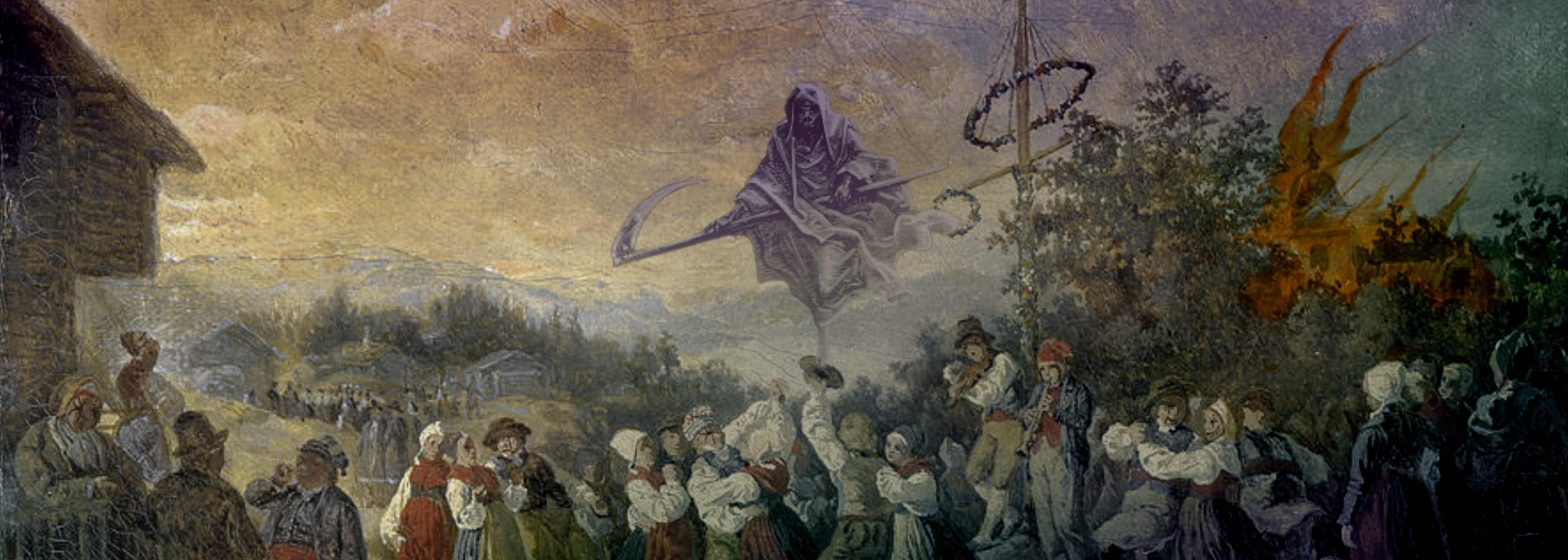
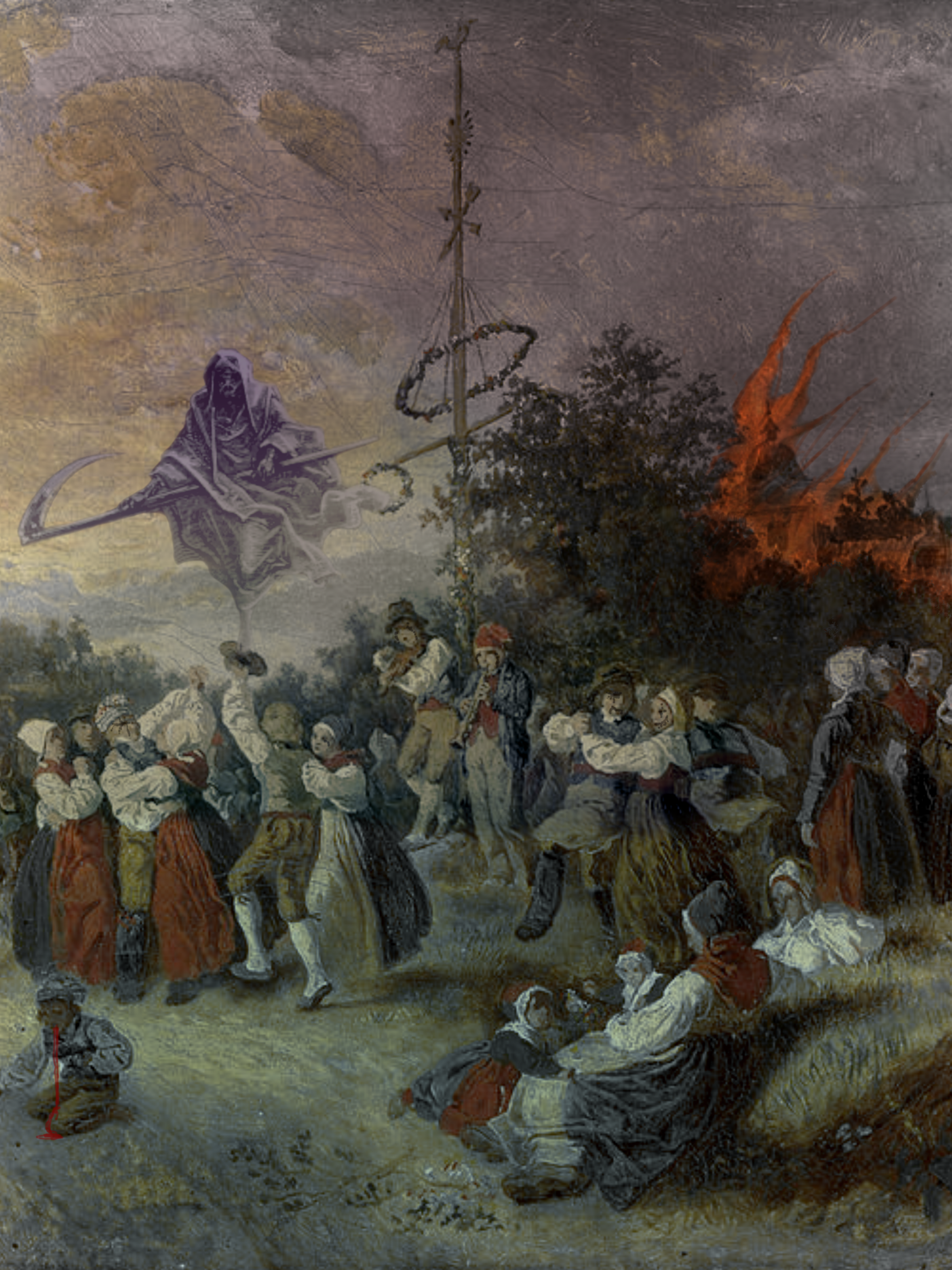
The fields are full, the beer flows, flowers are woven and tied to crosses, as if time itself could be held with them. Laughter, dancing, and singing abound, deep into the bright night.

And perhaps that's where the decay begins — at the point where no one notices that something has long since started to tip.

AtMournful Midsommar, even death wears the flowers of summer. Between the burning fields and the adorned crosses, there's a heaviness in the air that no one speaks of. The songs slow down, the nights become strangely silent, and at some point, no one notices anymore whether the crackling in the fires comes from the wood — or from something else.

For this is not a celebration of summer.

It is the night when it realizes that it too will die.

Welcome to Mournful Midsommar.

It is said that there once was a summer that would not end.

The sun hung over the hills for days as if it had forgotten to set. The fields stood taller than a man, the rivers carried warm water, and even at night, light still lay over the forests.

At first, people took it for a blessing.

The harvests were larger than ever before, the animals fat, the fires in the village squares burned incessantly. Everywhere there was drinking, dancing, and celebrating, as if summer itself had decided to stay forever.

And amidst them, at some point, the Summer King appeared.

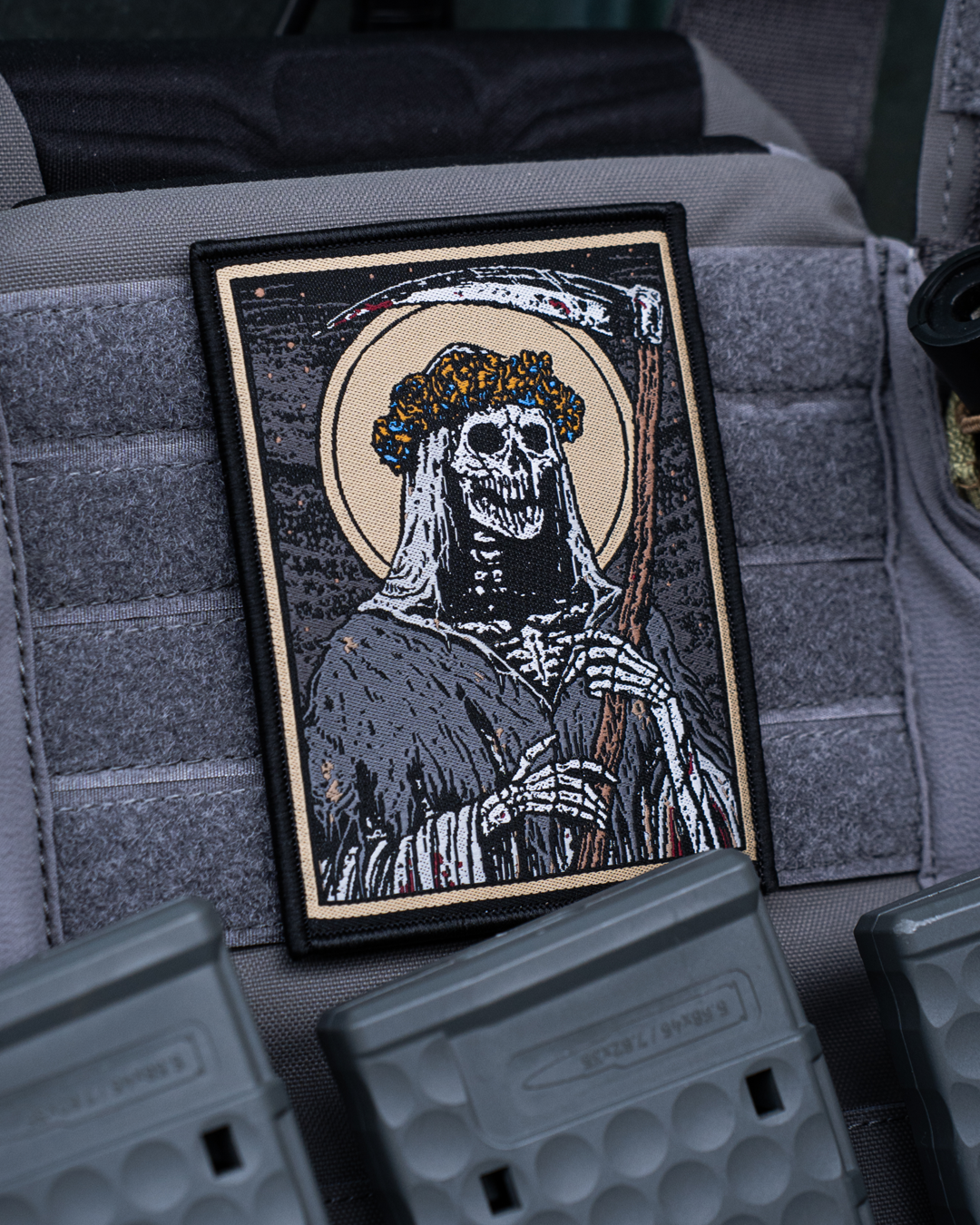
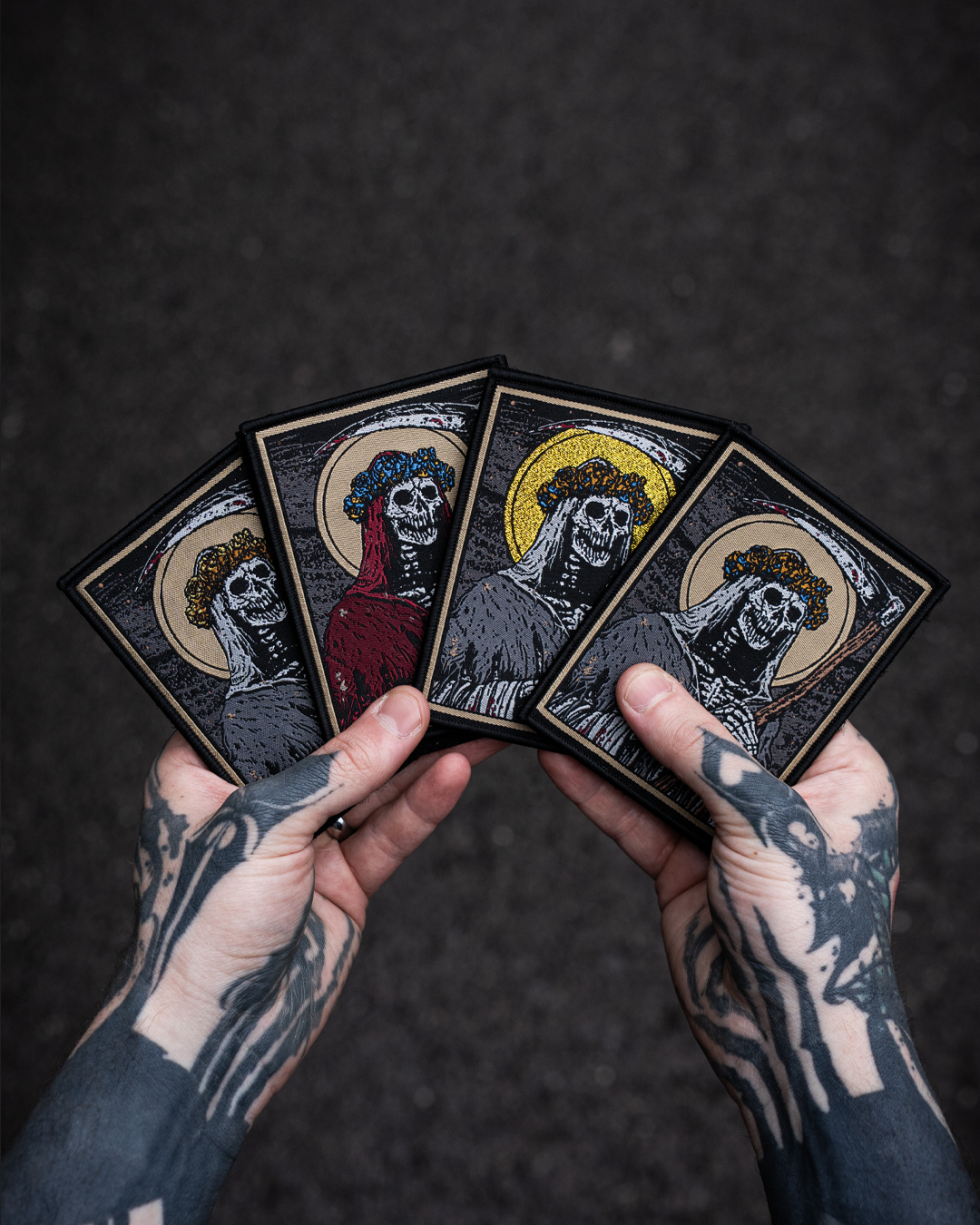
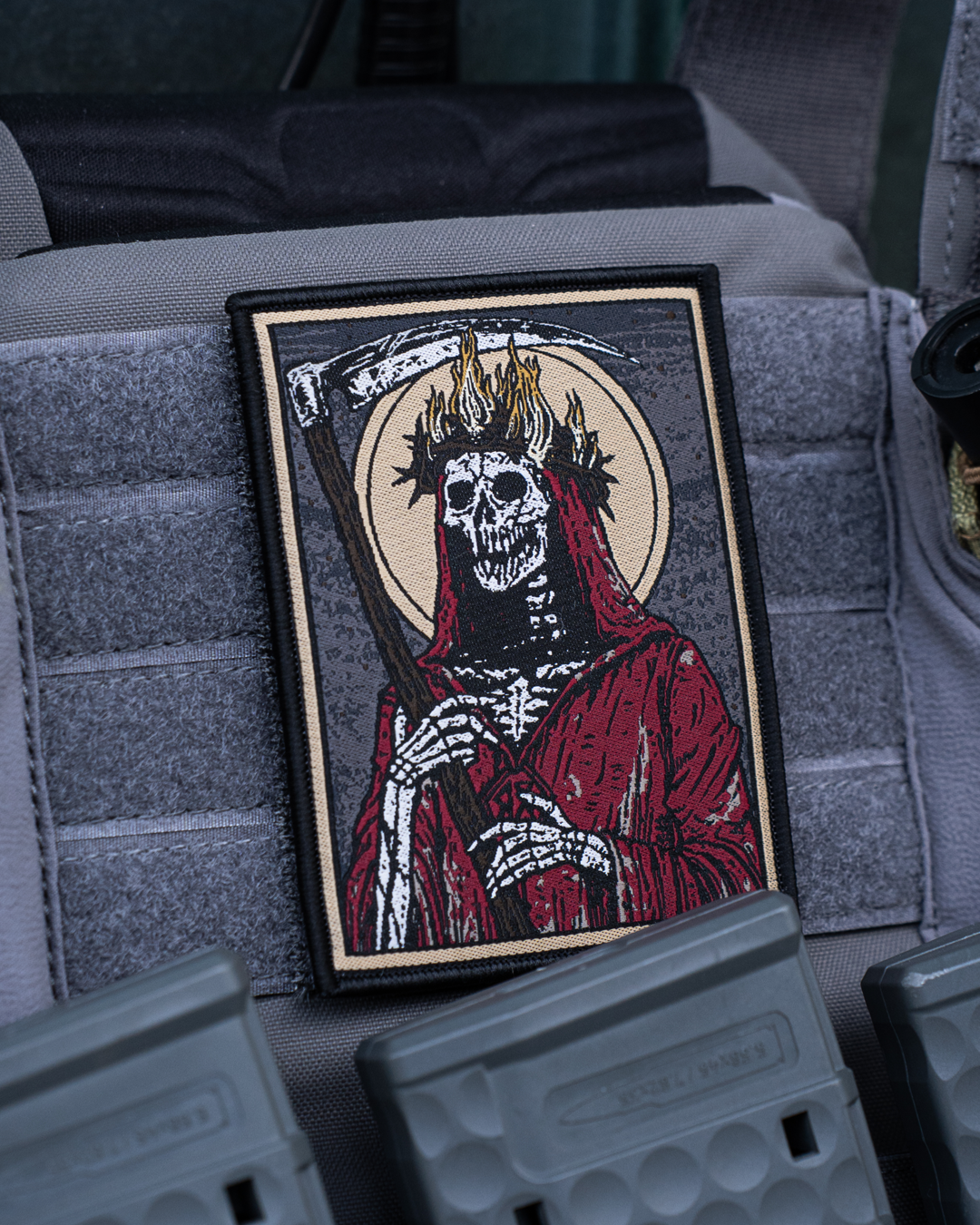
No one knew where he had come from. Some claimed he had emerged from the forest one night, others said he was suddenly seen among the dancers, still, motionless, with a wreath of withered blossoms around his head.

Yet everyone remembered the same feeling as soon as they were near him:
that something about this summer had become too perfect.

The Summer King rarely spoke.
When he walked through the fields, people still followed him, as if hoping that in his presence, everything would remain bright a little longer. Behind him, they carried crosses made of birch wood, adorned with flowers, ribbons, and herbs, and placed them between the fields, although no one remembered exactly why they had once started doing it.

With time, the air grew sweeter.
Too sweet.

The flowers on the wreaths began to darken even before they withered. The corn stood heavy and motionless in the wind, and from some wells came water that tasted of earth. Nevertheless, the festival did not stop. Perhaps precisely because of this.

For no one wanted to be the first to say that something was wrong.

And so the dancing continued. Night after night. To songs that grew slower and slower. Under garlands that had long since smelled of decay. Under a sun that no longer seemed warm, but hung motionless over everything.

And the Summer King remained among them, as if none of it had ever surprised him. He moved through the fields like someone who already knows the end of a song while everyone else is still dancing. He was seen standing by the fires, motionless between smoke and blossoms, and the longer the summer lasted, the less his crown resembled something festive.

Only much later did people realize why gallows suddenly stood between the decorated crosses. At first, they had hardly been noticed. They seemed almost like part of the festival, as if they had always belonged there.

And perhaps that was precisely the worst thing about it.

For the light remained beautiful.
The nights remained warm.
And yet everything slowly began to rot.

And it was written:

“Summer does not die in winter.
It dies in the midst of its bloom.”

Since then, it has been:
Trust no light
that burns too long.

0

This collection is empty

Continue shopping