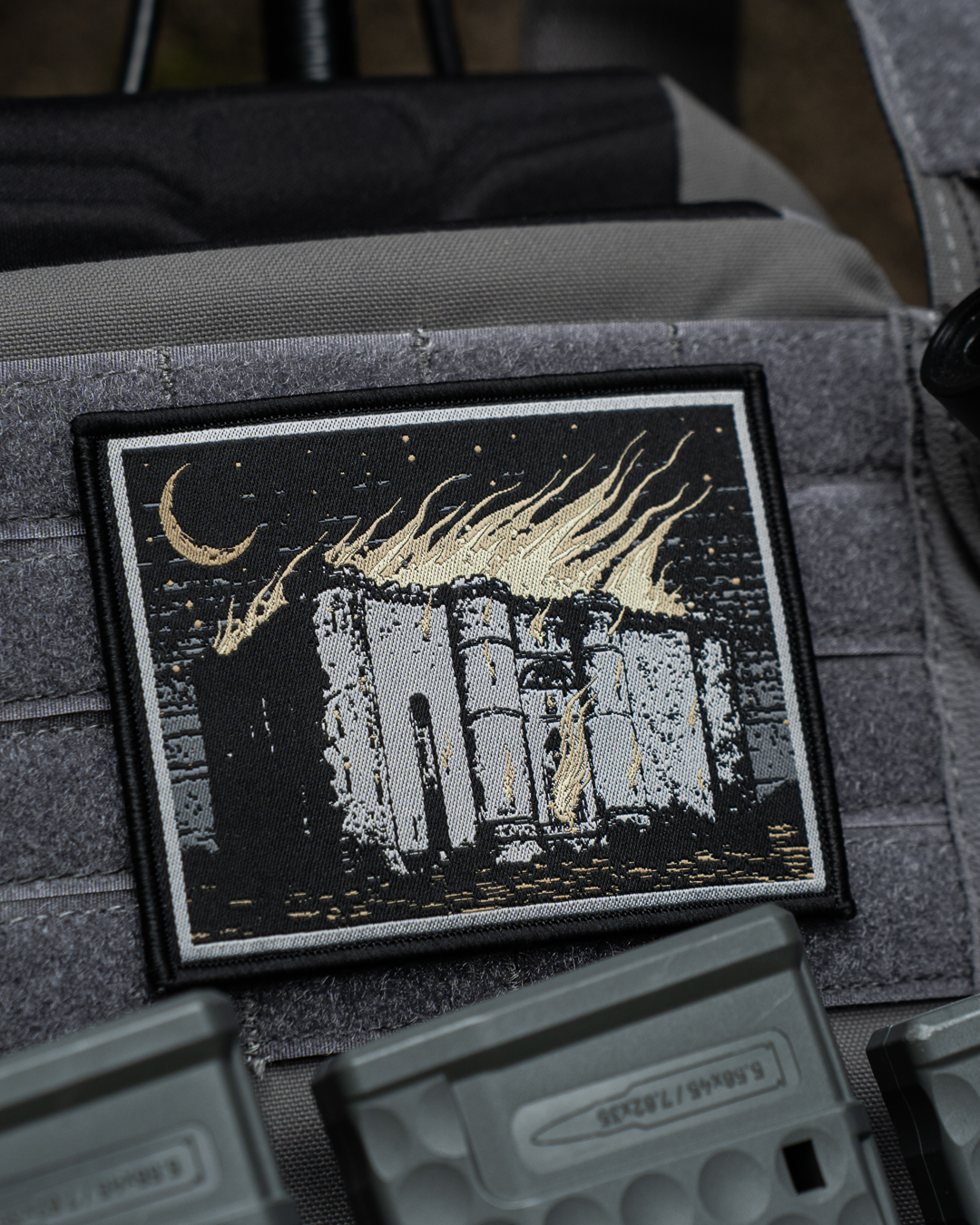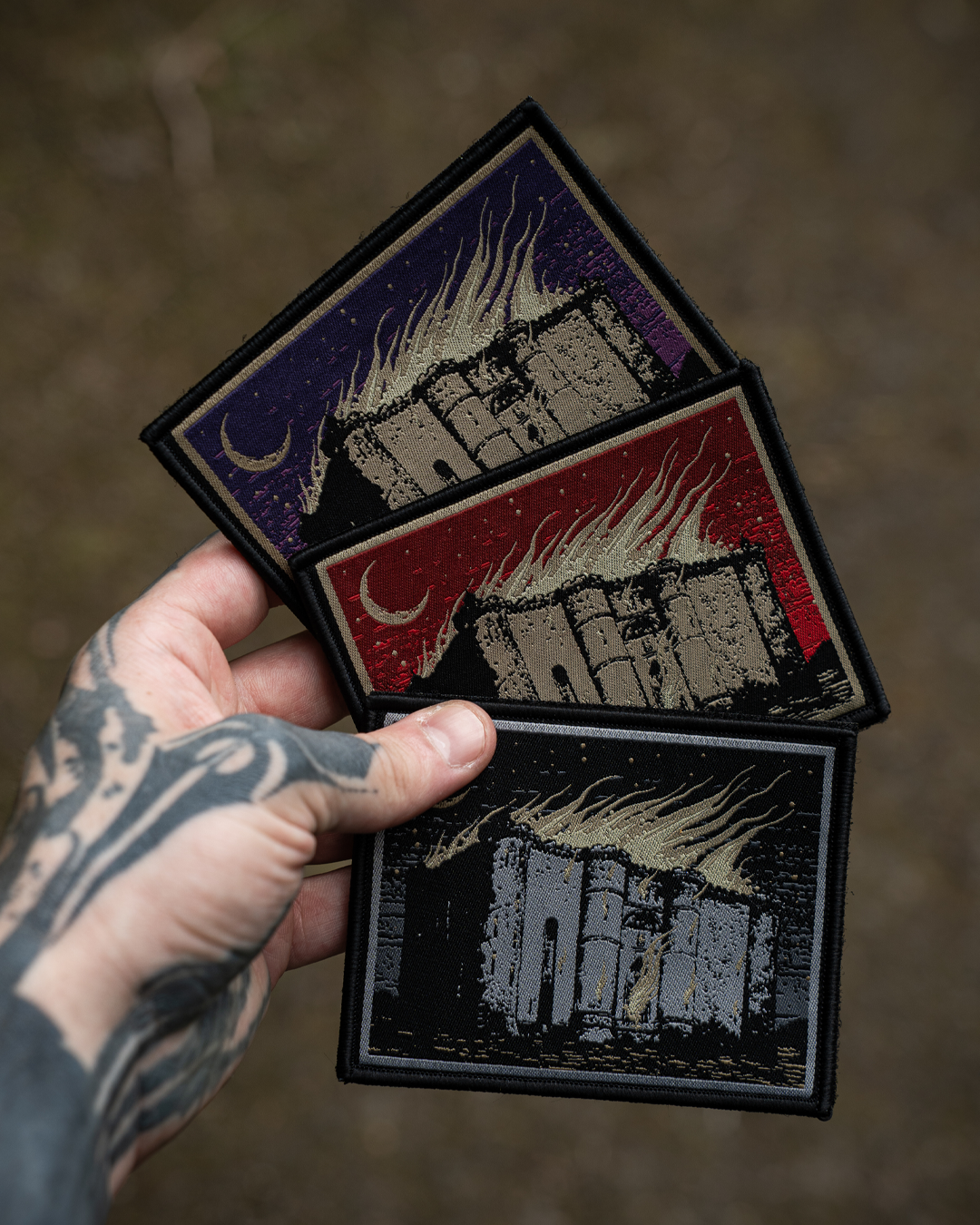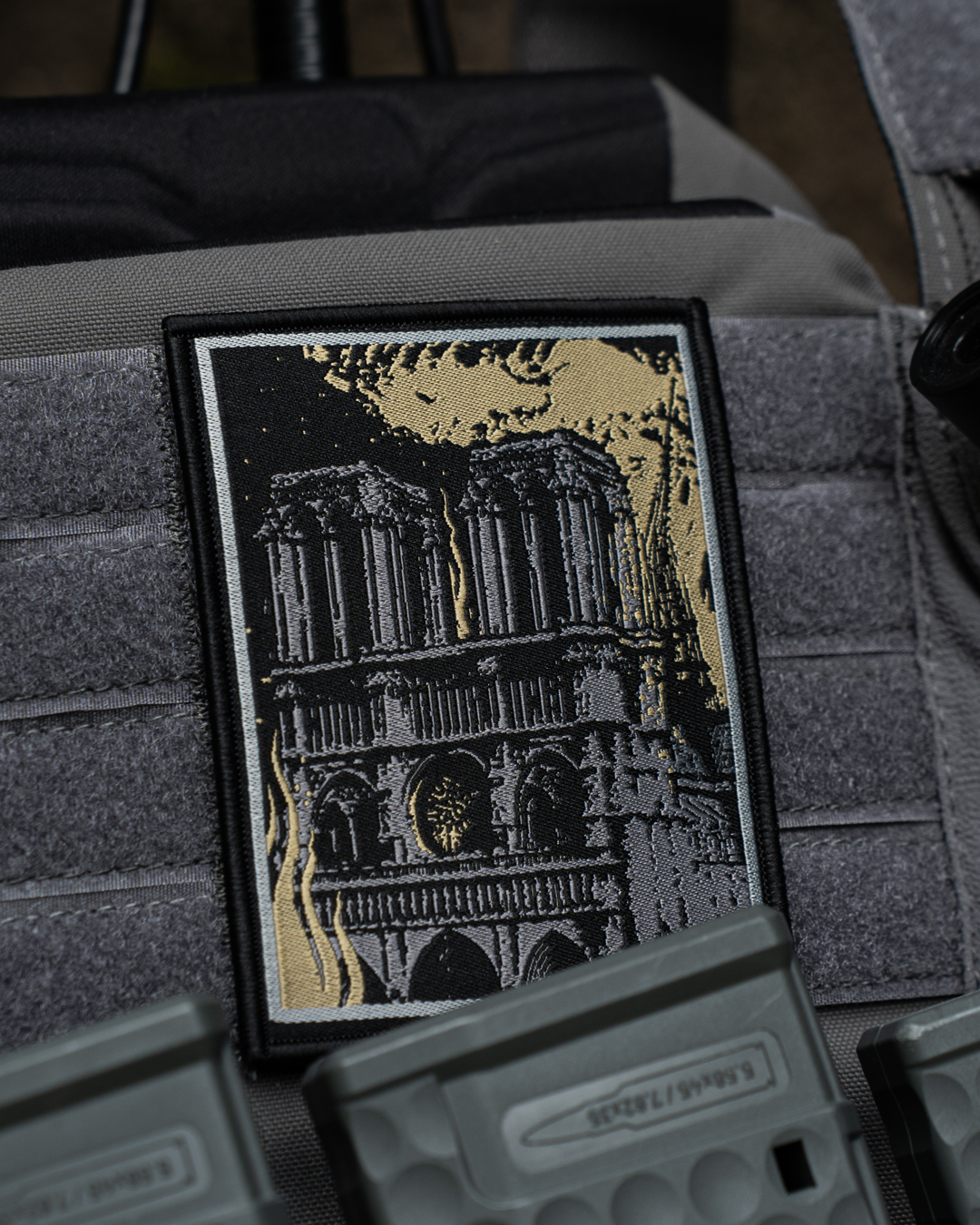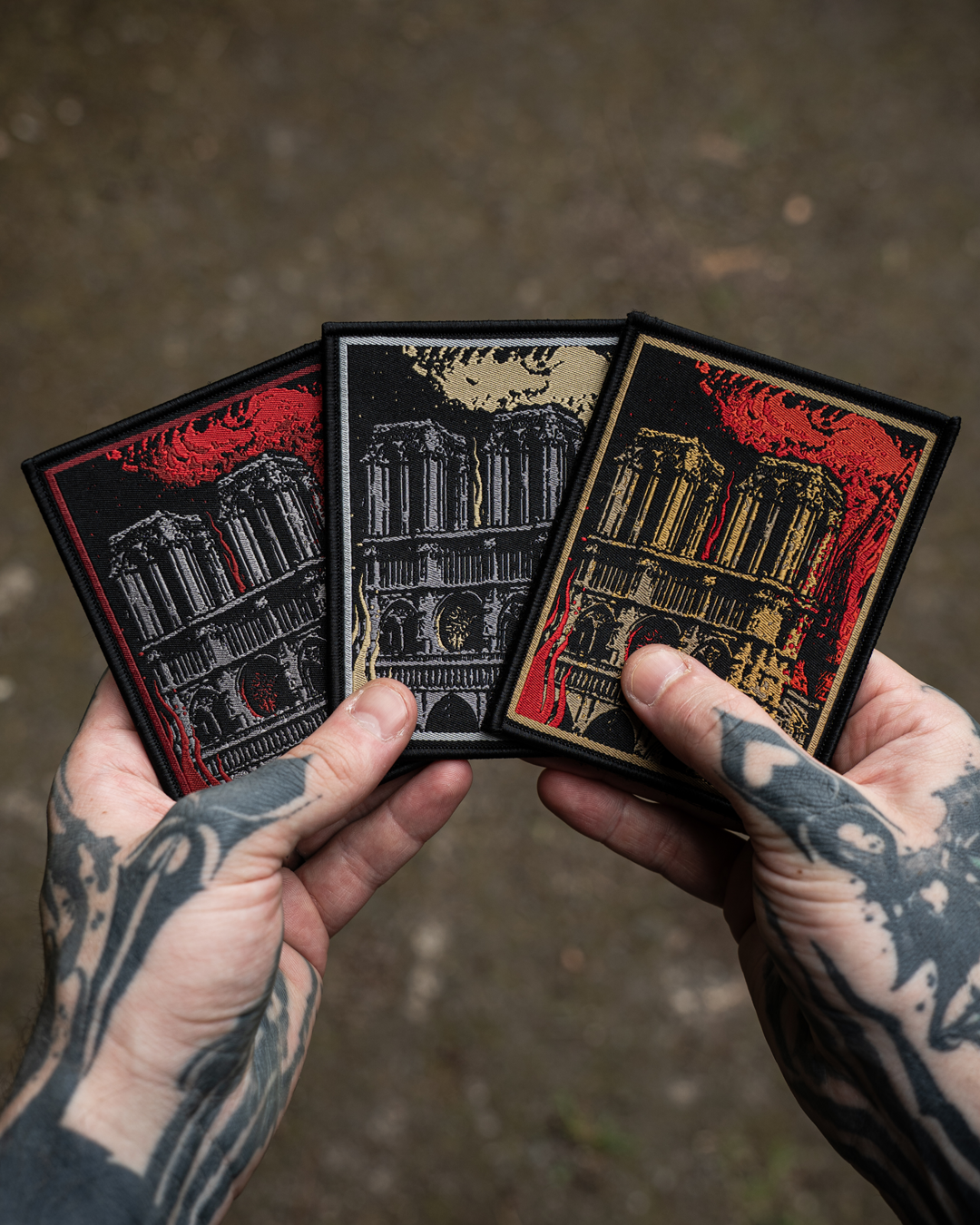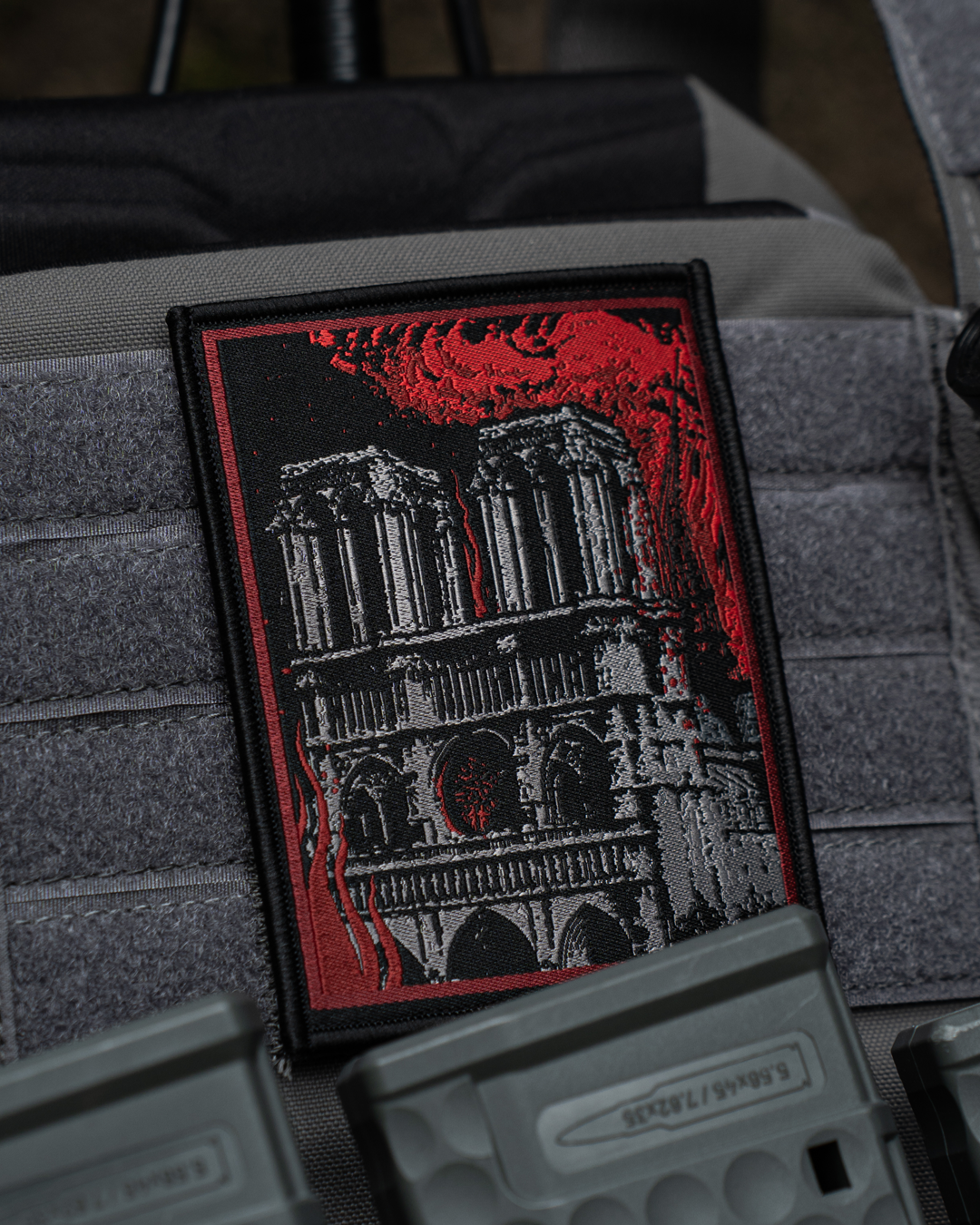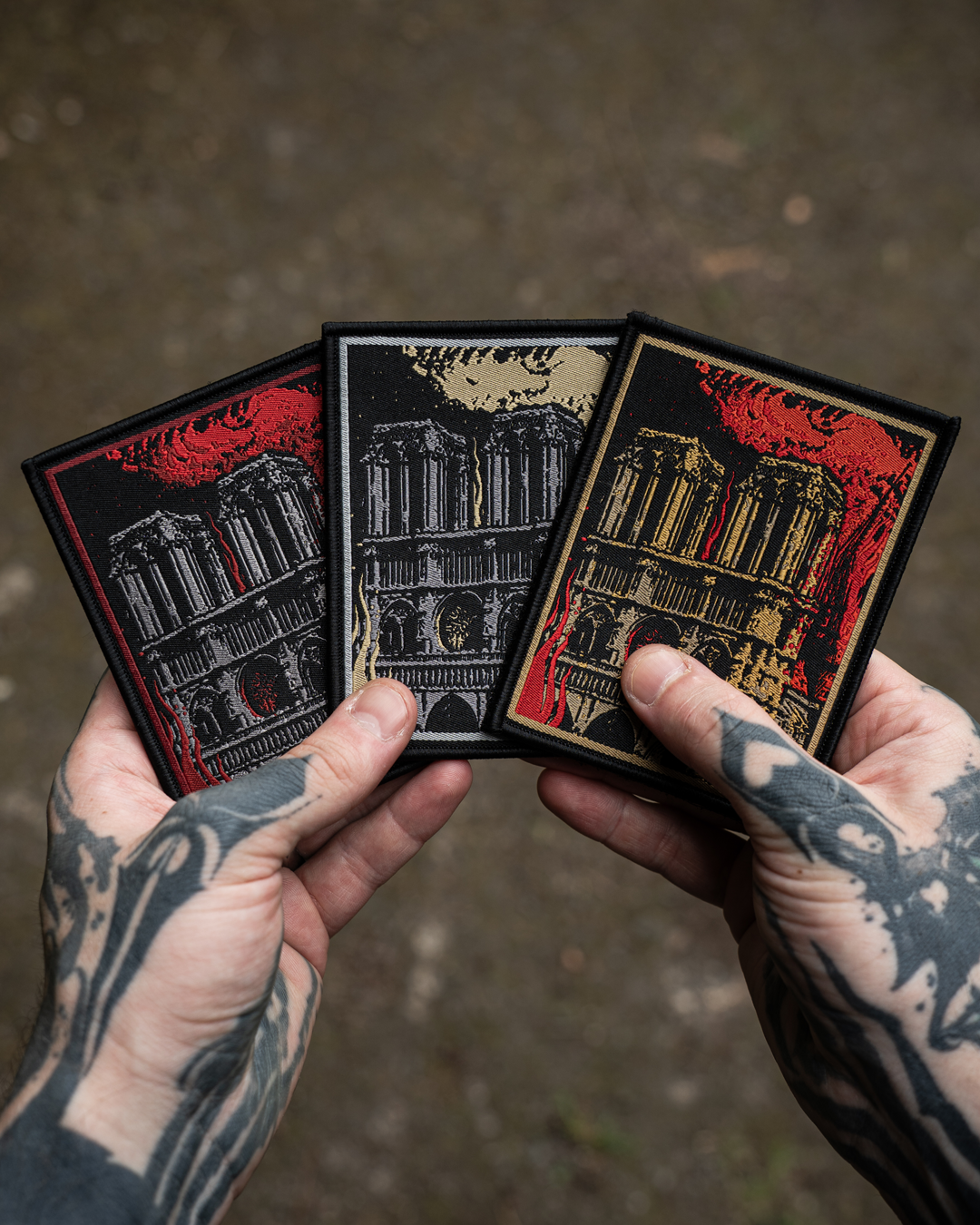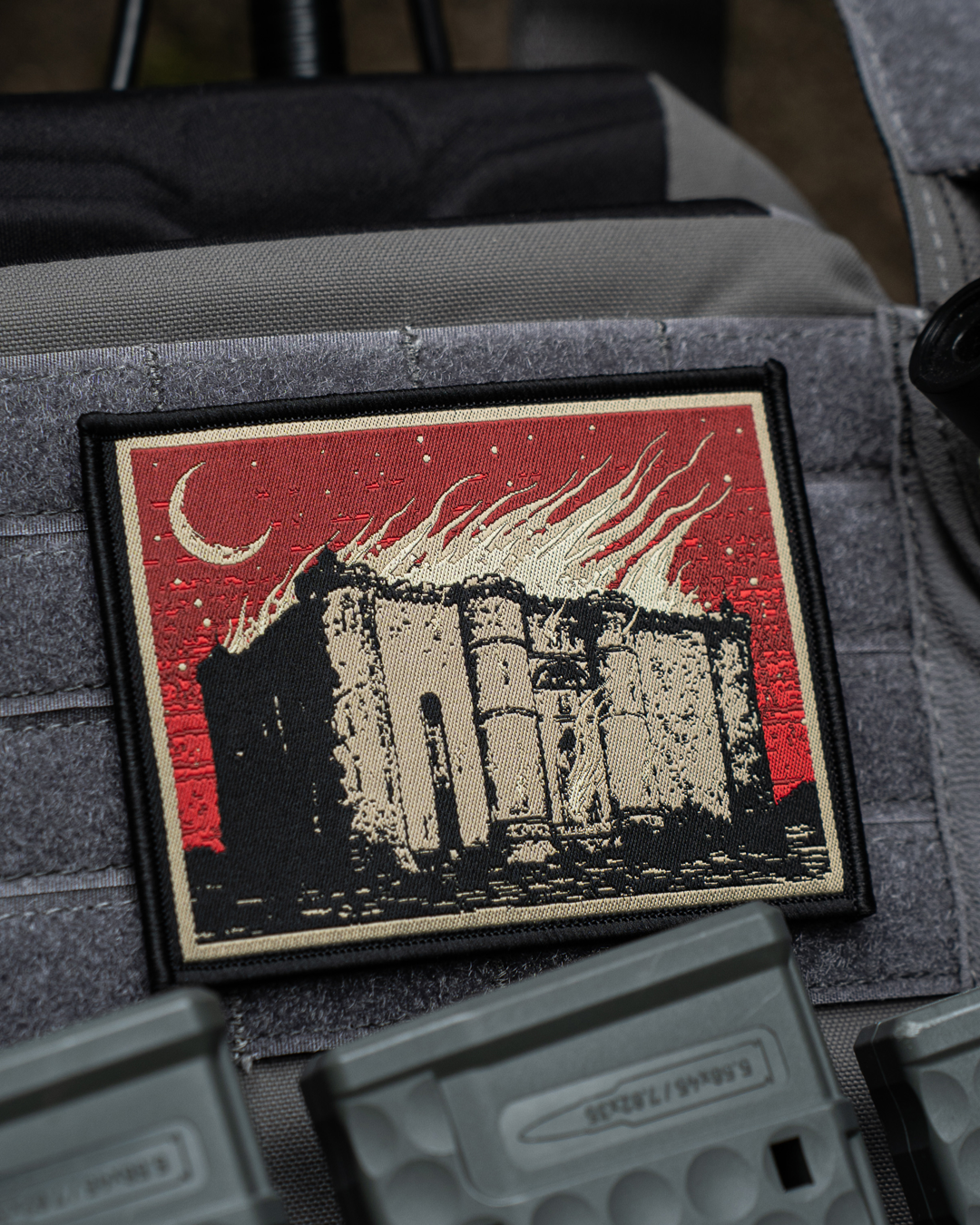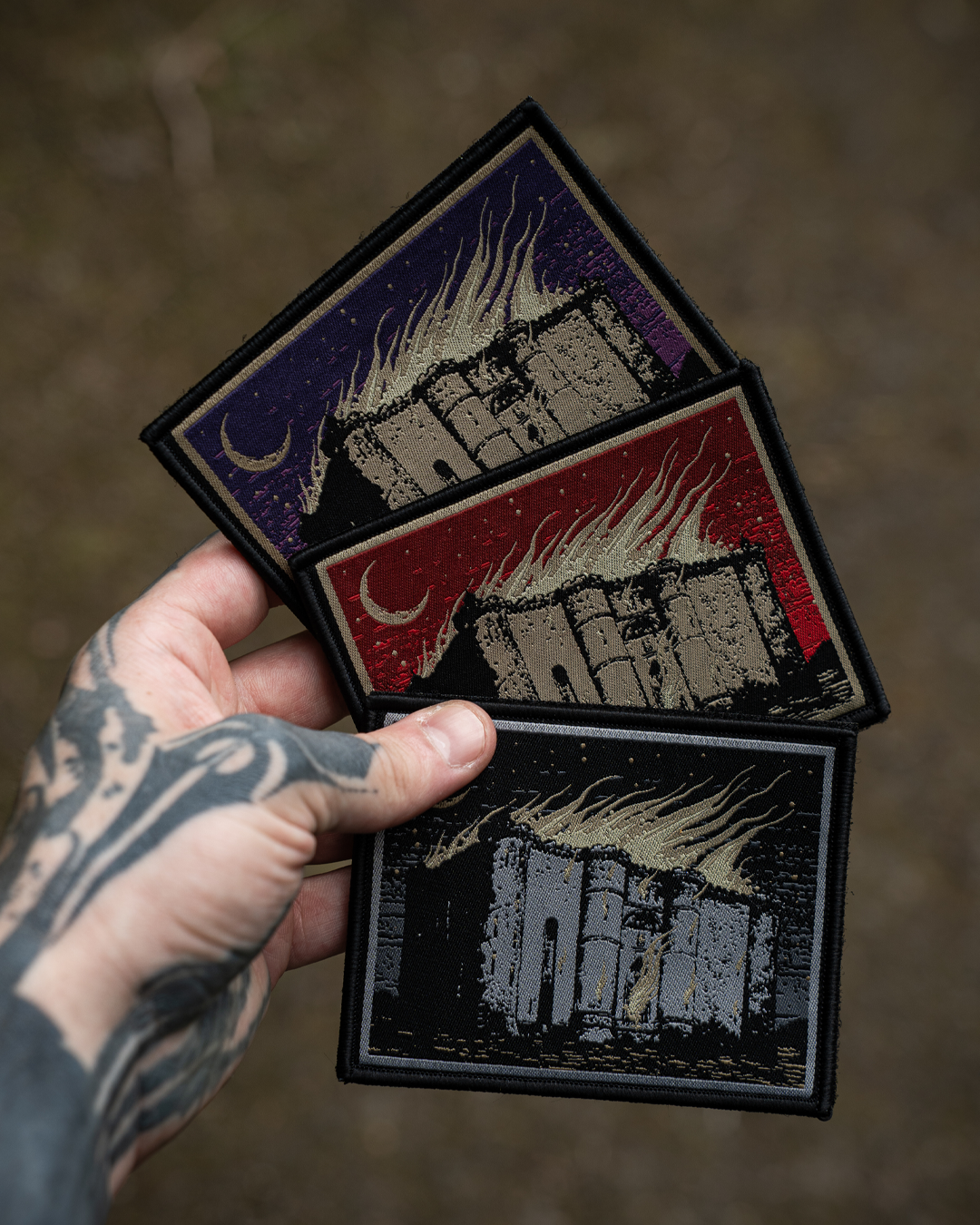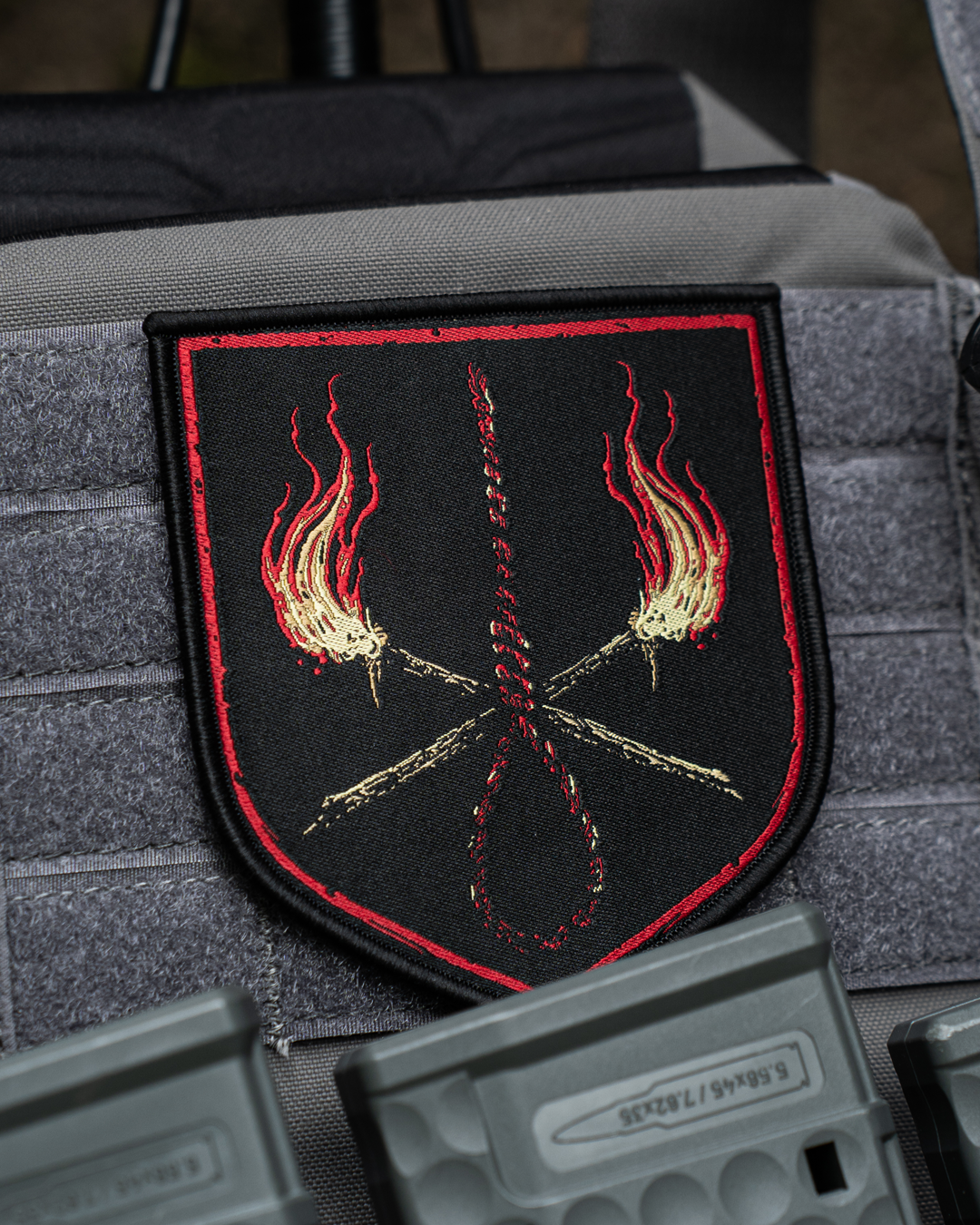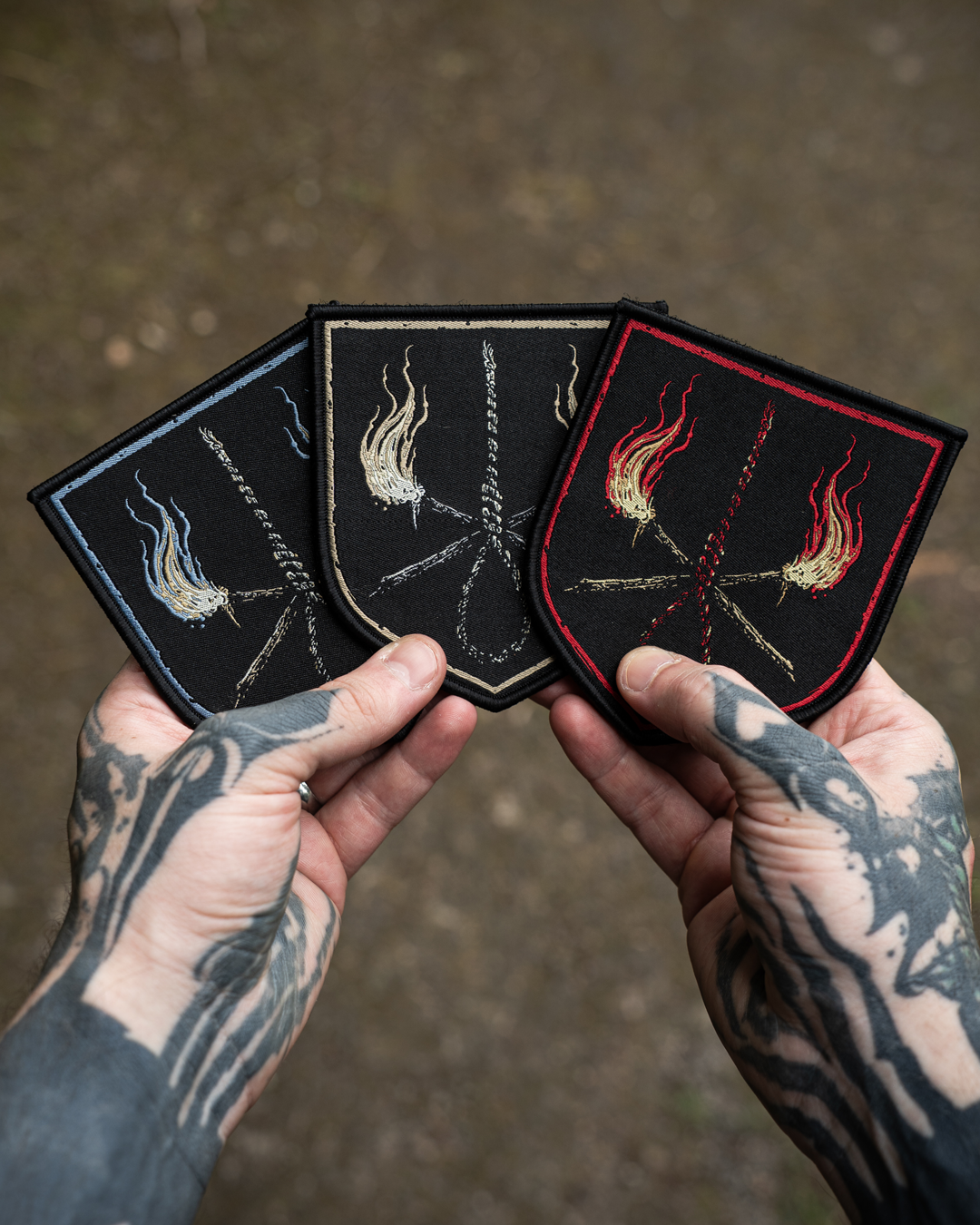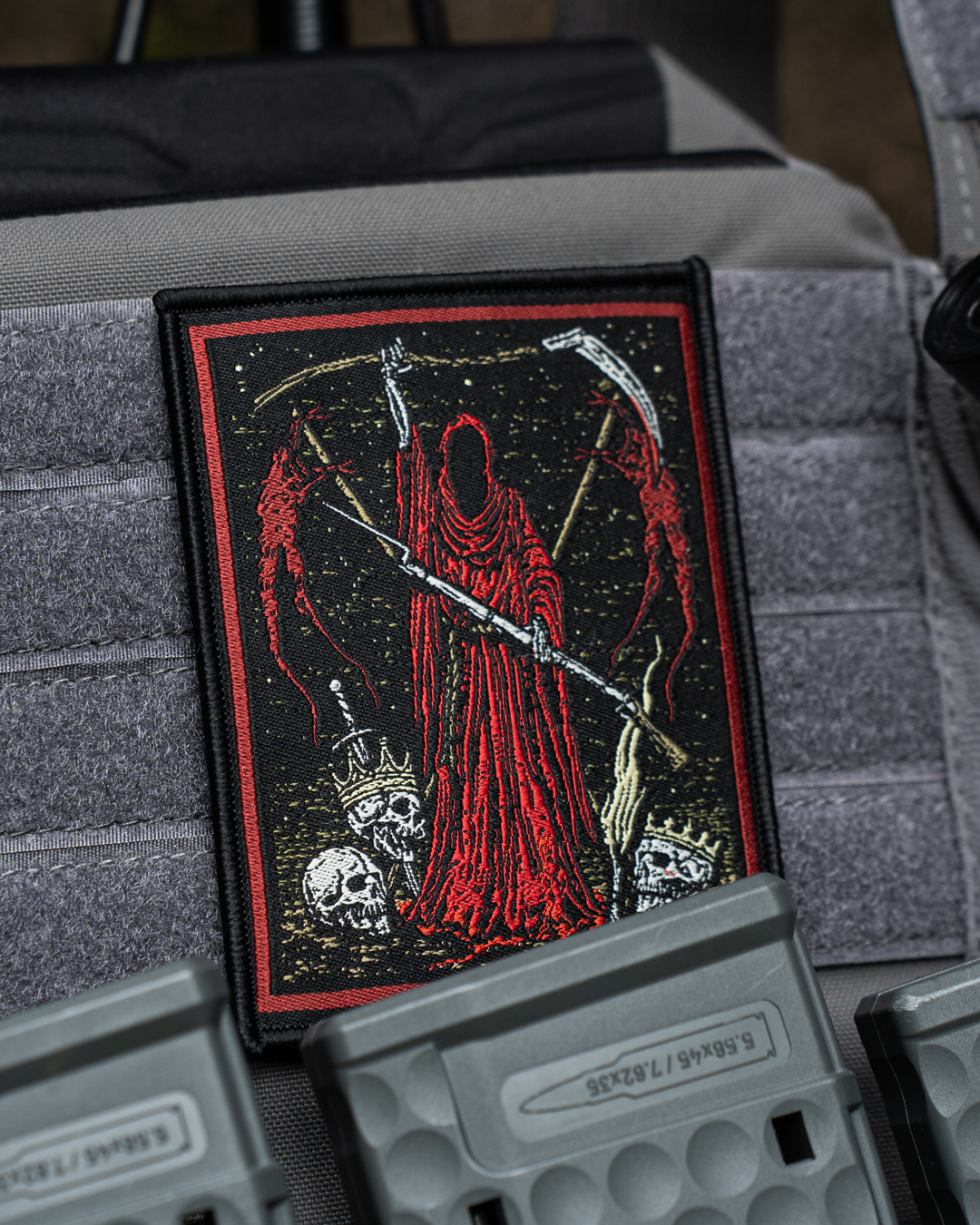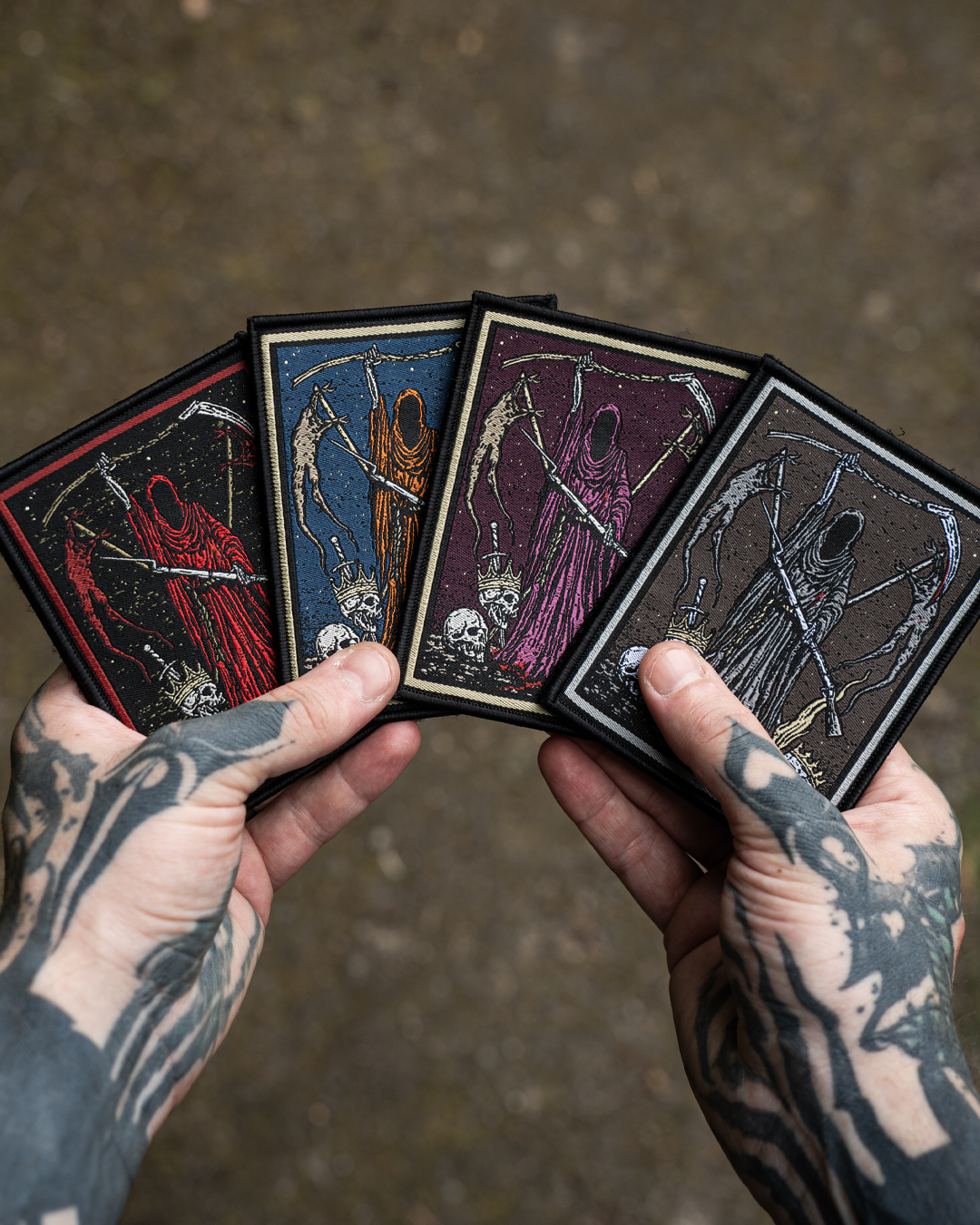











DROP ON 07/14/2026 - 5:30 PM CET
FRENCH WEEKS
"No tyrant has ever claimed as many heads as the people who freed themselves from him."
A year without saints.
The Coven wheel of the year follows no divine calendar.
Nineteen festivals mark the cycle – each of these nights distorts a familiar ritual, desecrates a symbol, or turns something familiar into something alien.
Eight festivals are behind us, and the year has long since stopped asking if you are ready.
It runs. It reaches deeper. It takes what it needs, and leaves the rest—emptier than before, but upright enough not to notice what's missing. The old meanings still exist, but they now serve the circle, no longer those who once shaped them. And anyone who still believes they are observing it from the outside has not understood the last eight festivals.
What others celebrate as light, we transform into embers and shadows.
WELCOME TO THE ERA OF BLOOD AND SILENCE.
The ninth festival in the Coven's Wheel of the Year.
There are moments in history when something that has held for too long breaks. When people rise up because sitting still has become more unbearable than anything that could follow. When the idea of freedom becomes so great that it pushes everything else aside — caution, doubt, the quiet question of what actually happens when one has won.
The French Revolution was such a moment.
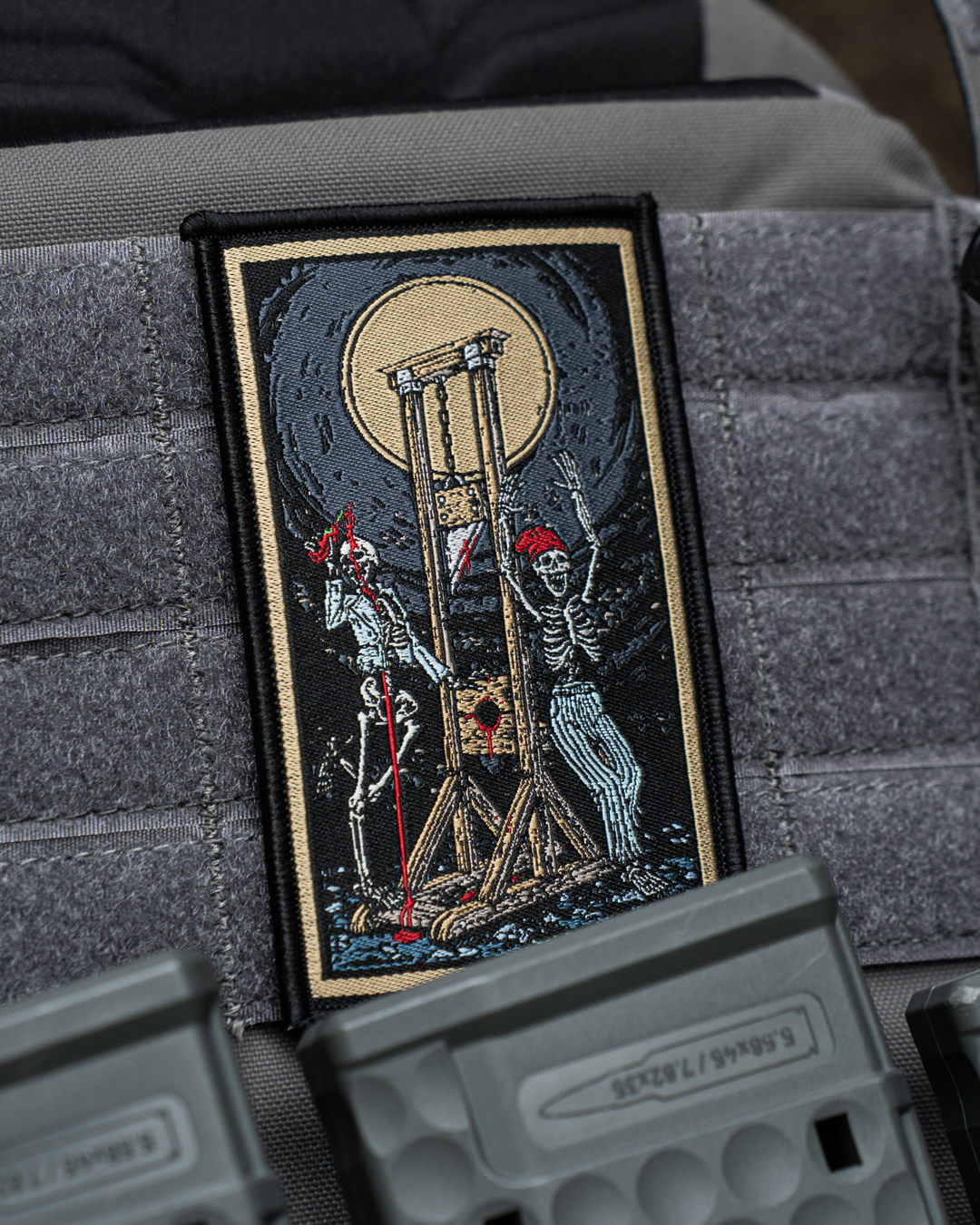
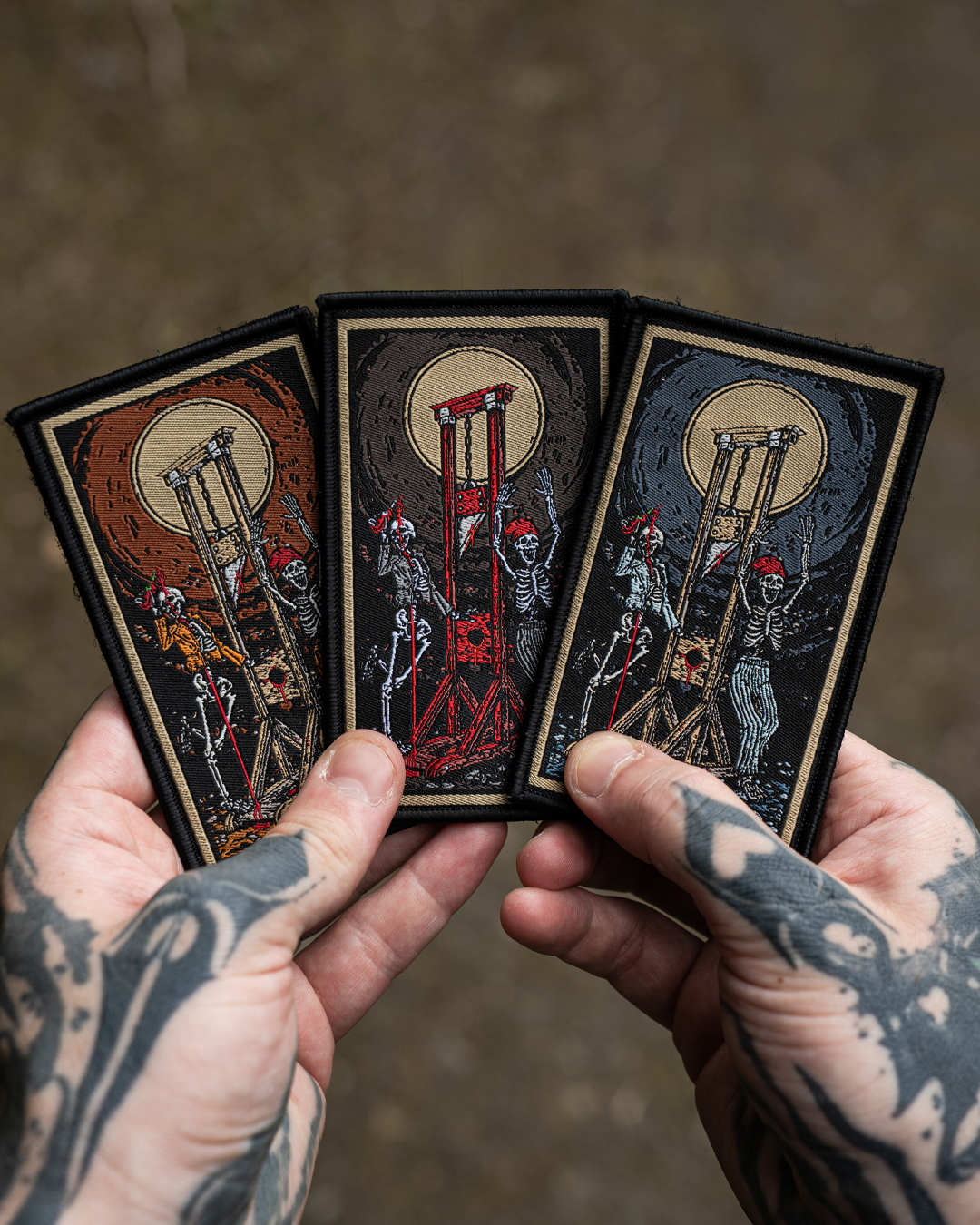
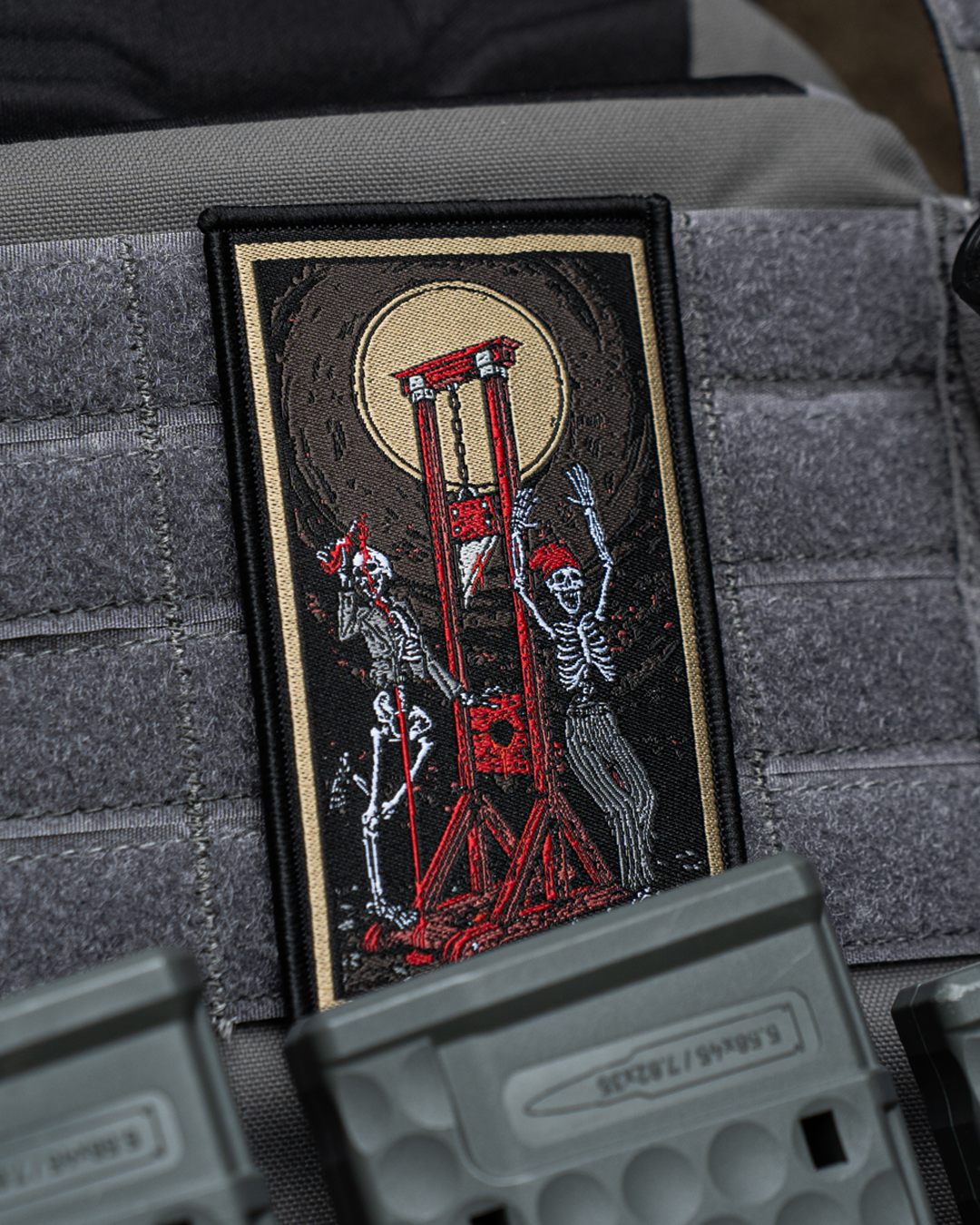
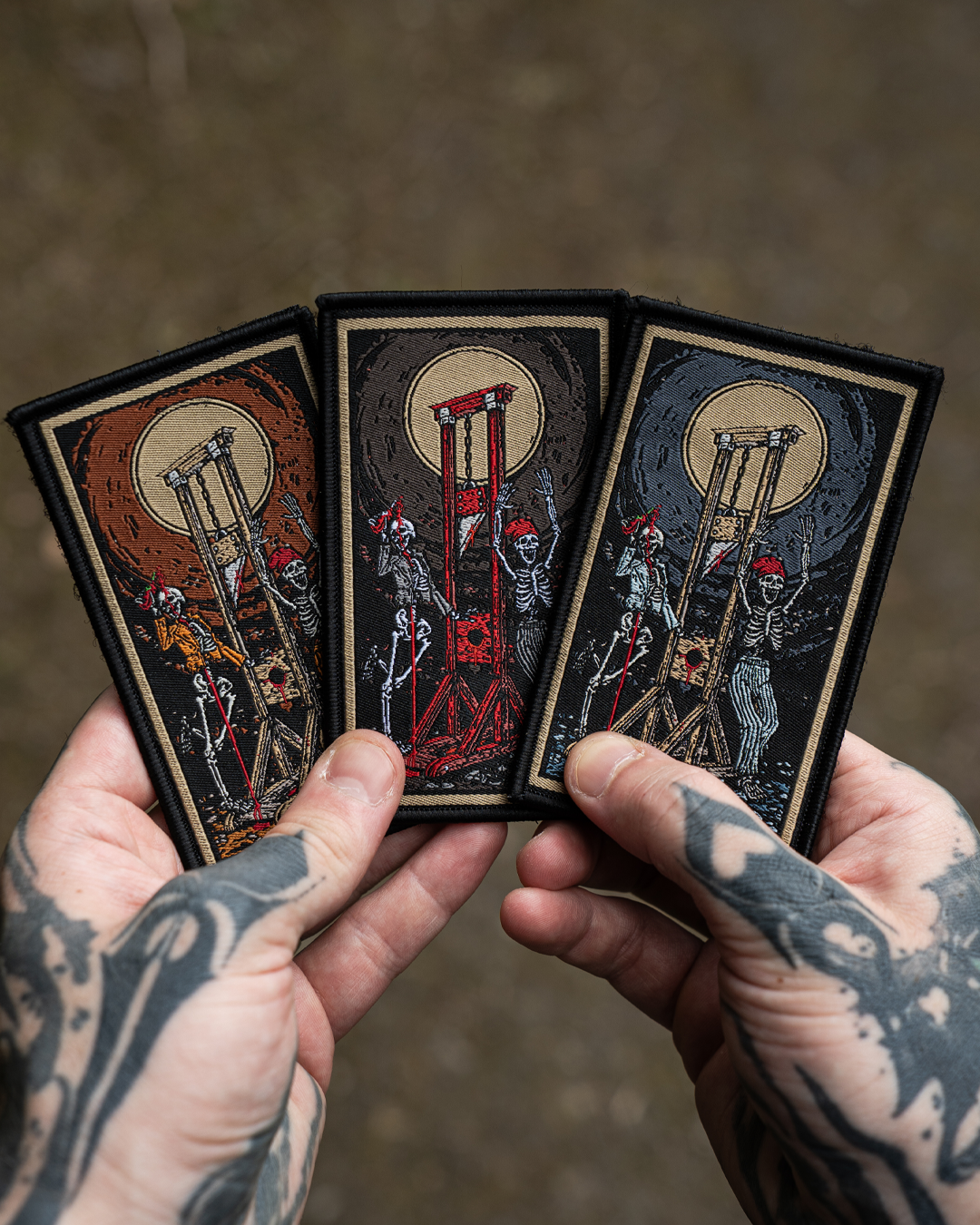
And like all moments of this kind, it carried its contradiction within itself from the very beginning — the guillotine was not only there at the end. It stood in the square from the beginning, gleaming and ready, as if one had never been sure whether freedom was enough, or whether perhaps something more reliable was needed.
At the French Weeks, we do not celebrate the revolution. We celebrate the curve it took. This arc from euphoria to terror, which seems so inevitable in retrospect and yet was so invisible to everyone who was in the midst of it, because you don't stop dancing when the fire is still burning and the crowd is still cheering and the wine is still flowing.
Freedom, as the revolution understood it, was never a state. It was a tool. And tools do not rust — they are repurposed. At some point, you no longer use them to break down doors, but to lock them.
The cult knows this curve. It celebrates it because it is the most honest story people have ever told about themselves.
Welcome to the French Weeks.
It is said that there was a moment when everyone believed at the same time.
Not in God, not in a king, not in anything that came from above and promised order. They believed in themselves — in the crowd, in the voice that arises when enough people want the same thing and are loud enough not to be ignored anymore. It was an intoxication, and like all intoxications, it had this particular quality: it didn't feel like intoxication. It felt like clarity.
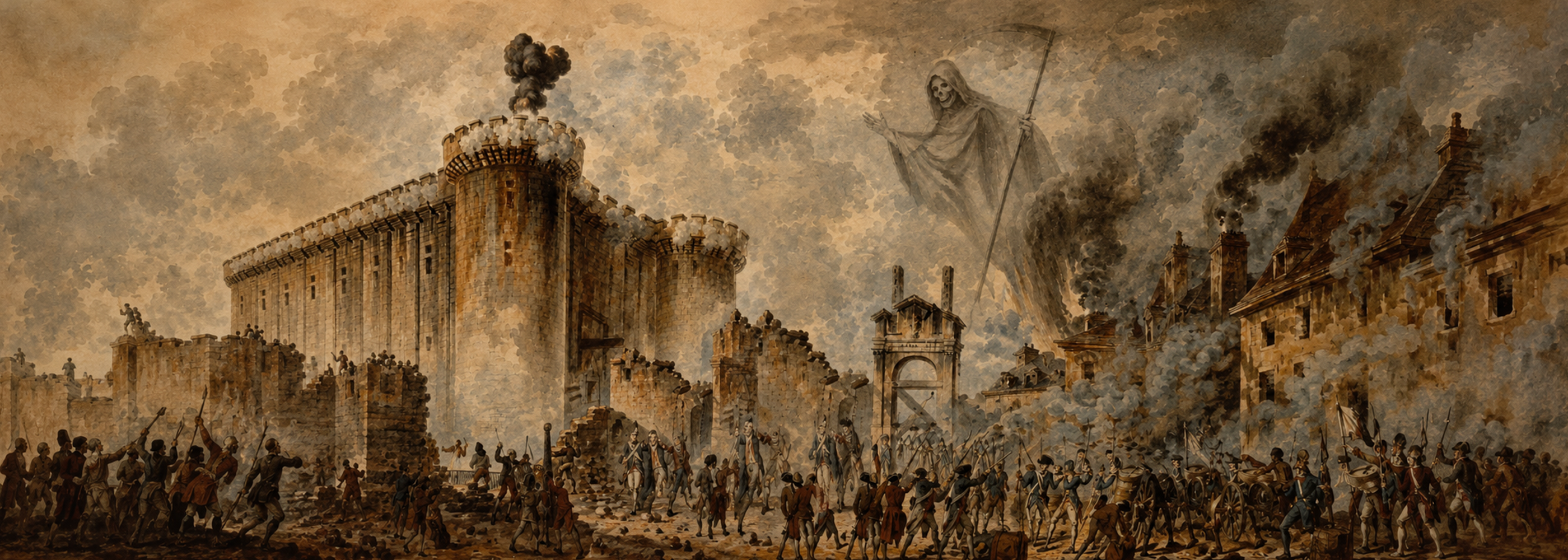
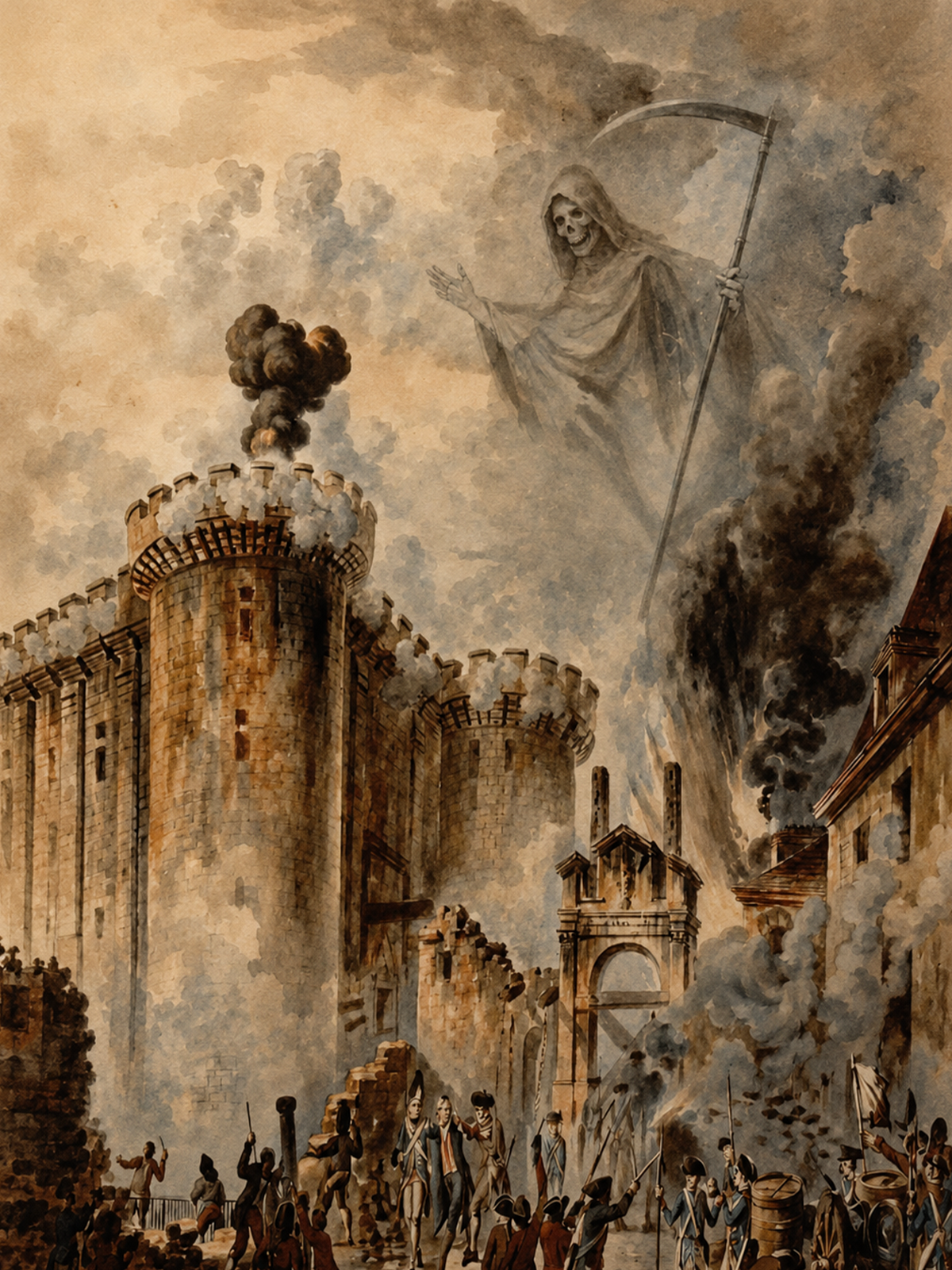
The Bastille didn't fall because it was weak. It fell because enough people had stopped being afraid of it, and that is a different kind of power — the only kind that truly matters, if you're honest. It fell on a Tuesday afternoon in July, and after that, the world was different, not because anything immediately changed, but because everyone knew it would be different, and that knowledge alone changed everything.
In the first few weeks, everything was possible.
The streets belonged to those who stood on them. The old hierarchies lay on the ground like discarded clothes, and no one wanted to put them on anymore. People drank, people sang, people wrote texts about equality and brotherhood and the inalienable rights of man, and they meant it more seriously than they had ever meant anything.
And then the question began.
Not loudly, at first. Just that quiet unease that arises when freedom starts to become more concrete. When a thought becomes a decision, and a decision becomes a consequence, and from the consequence the next question: who belongs, and who doesn't? Who is truly free, and who only until they become inconvenient?
The guillotine provided an answer.
It stood in the square like a promise one had made to oneself — that this time it would be different, that the new order was different from the old, because it was built on reason instead of arbitrariness. And perhaps people even believed that, at first. Perhaps the first head to fall was indeed the head of someone everyone considered guilty.
But tools get used to being used.
Eventually, the head of someone who had cheered yesterday fell. Then the head of someone who knew yesterday's cheerer. The logic of the revolution ate its way backward through the ranks of those who had made it, because freedom, once it has become power, develops the same instincts as anything that possesses power — the instinct to preserve itself, and suspicion against anyone who might question it.
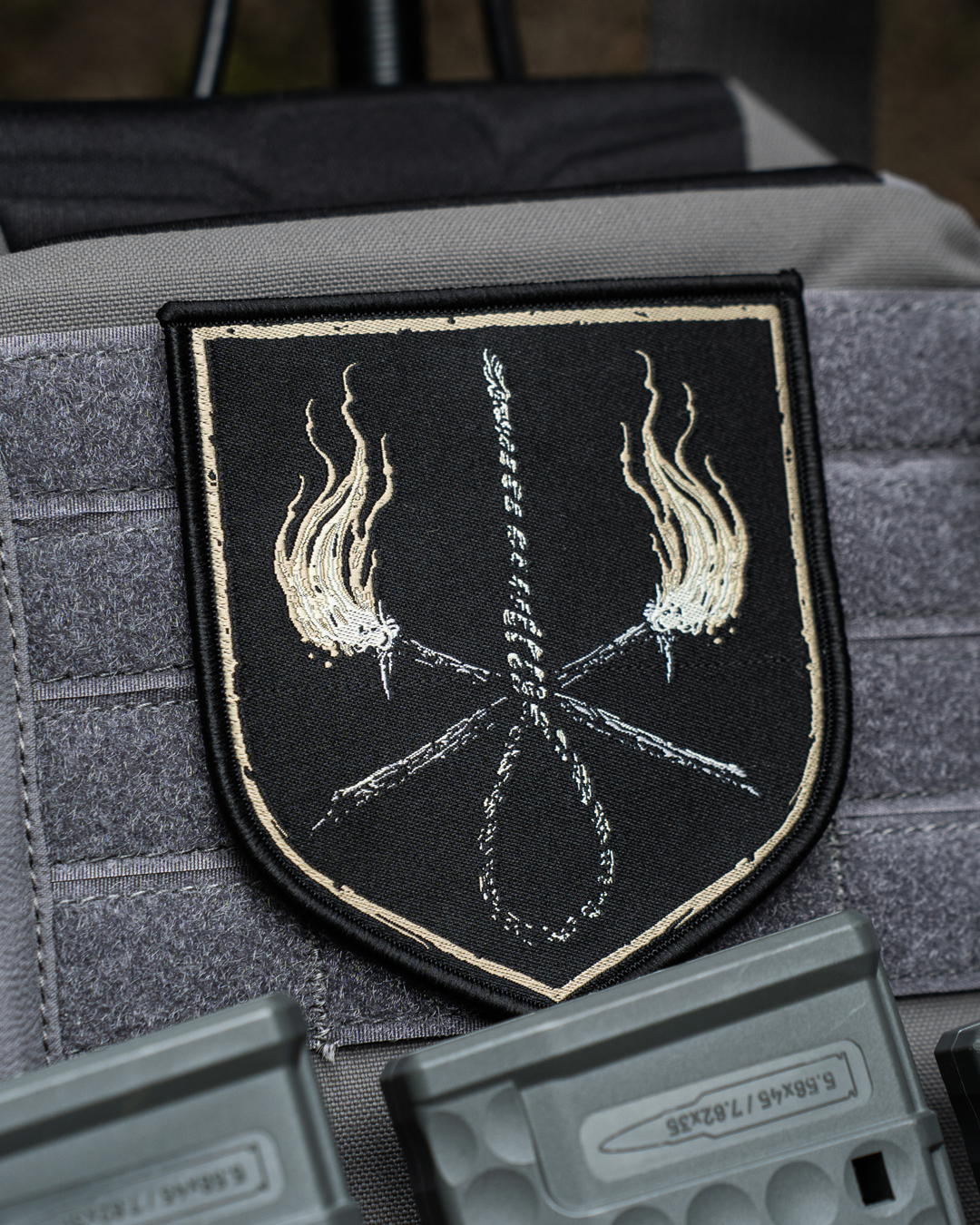
The cathedrals did not fall by fire alone. People walked through their doors, tore the saints from the walls, and beheaded their statues in the square, because even stone can be a symbol and symbols must die if a new order wants to prove that it is truly new. The houses of God were renamed, dedicated to reason, to virtue, to the people — and no one noticed that in doing so, they were only building new altars. Different gods, the same subservience.
Somewhere in the square, there are still some who remember. Those who were there, who cheered, who drank and sang along in the first nights when everything was still possible. They don't laugh maliciously — rather like one laughs when one hears a story for the third time and still can't believe that it ends the same way every time. They straighten their hats, drink their wine, and watch as down in the square the next generation takes the same turn — the same euphoria, the same certainty, the same slow tilt into terror, which this time, of course, feels completely different, because this time it comes from the right reasons.
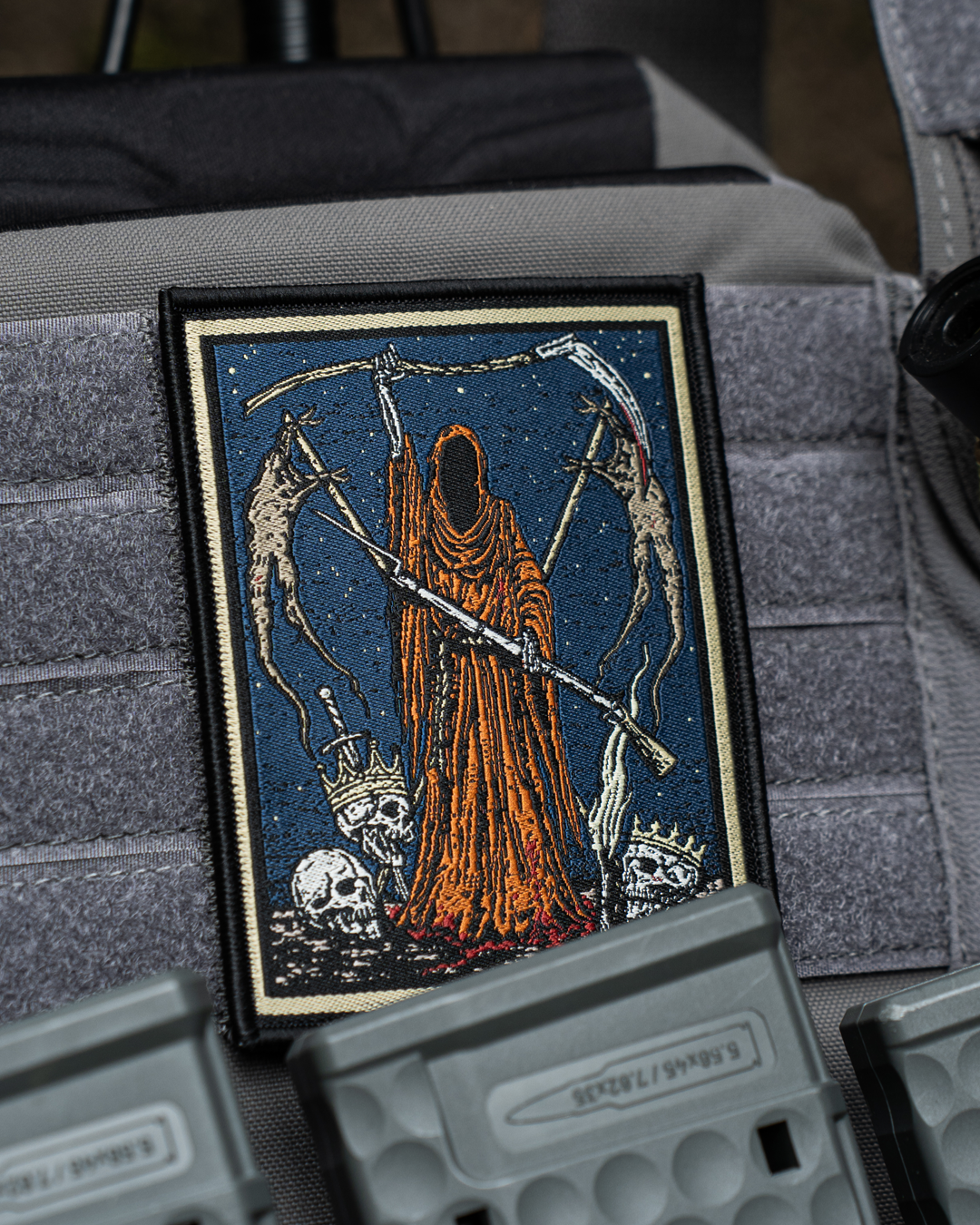
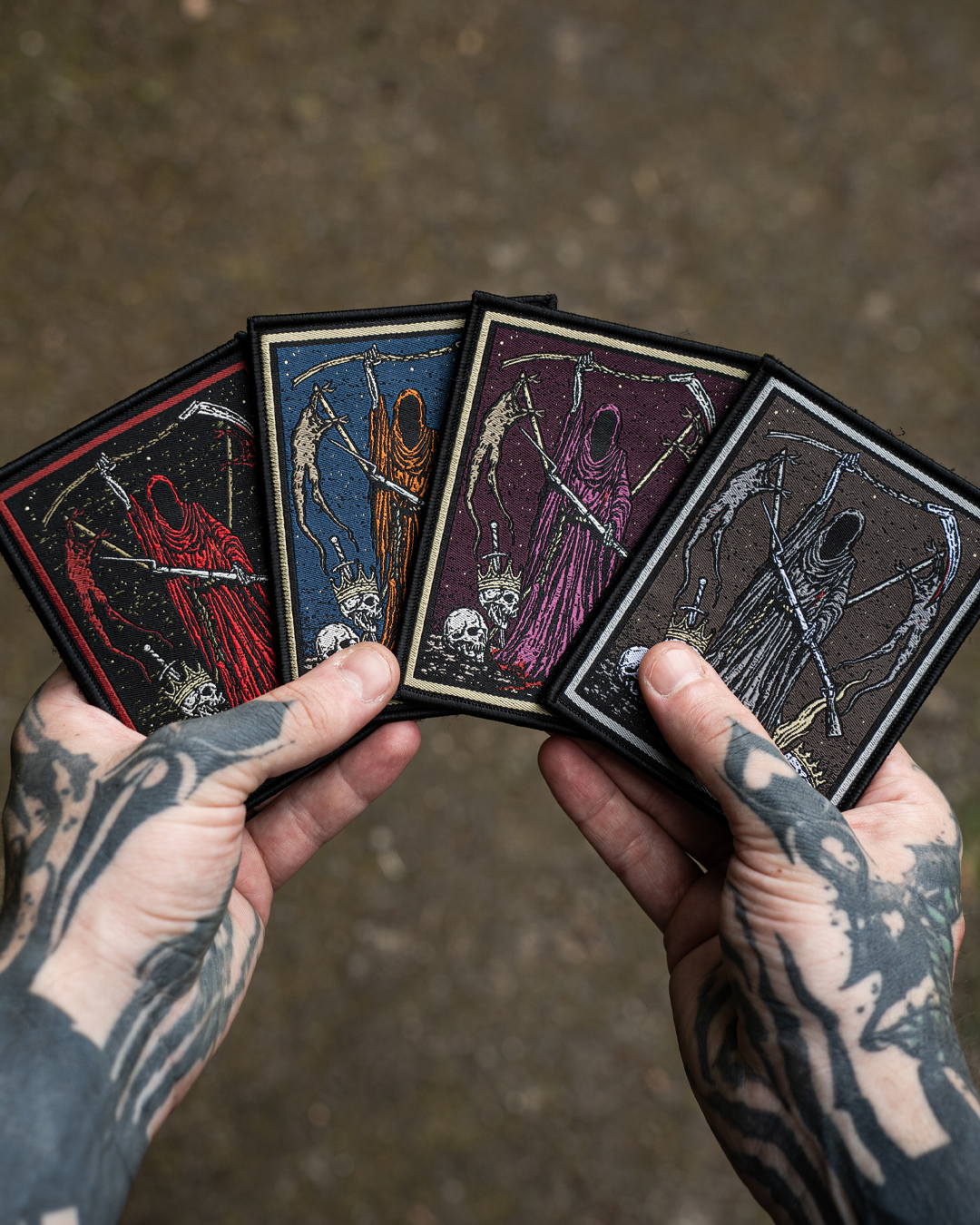
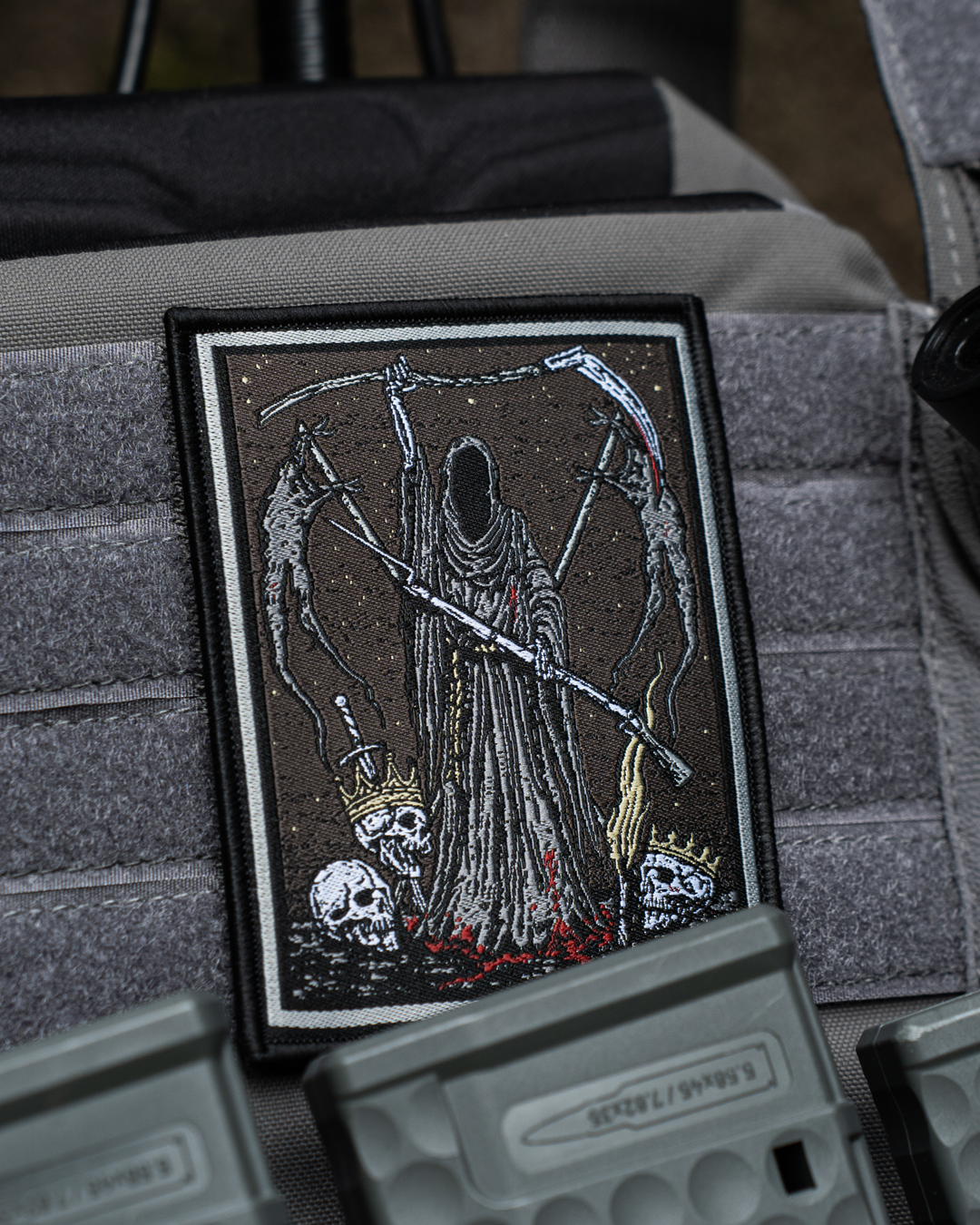
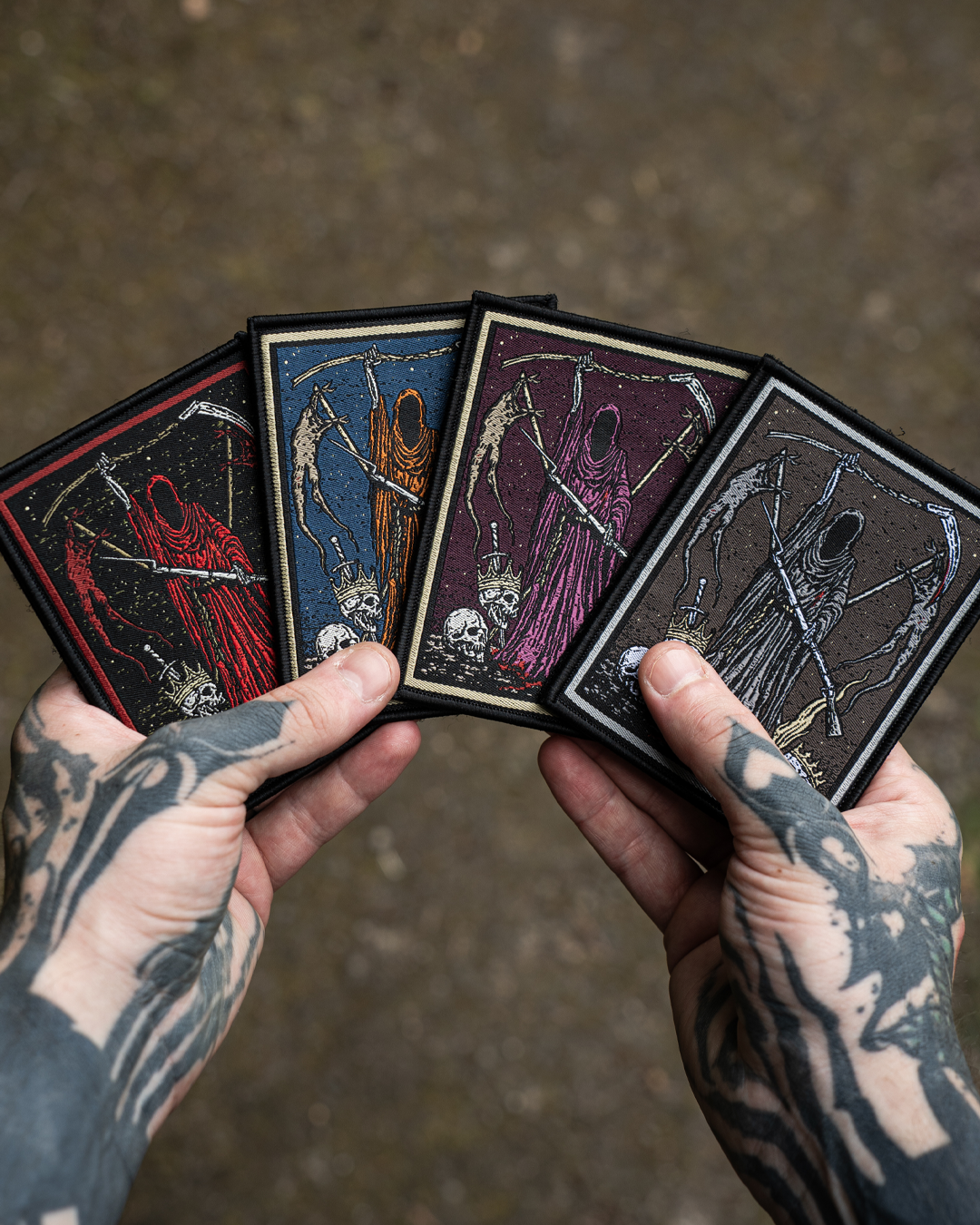
And amidst all this stands death, and this time he doesn't need a scythe. He has taken over the musket of the revolution, the tool of the new age, and holds it the way one holds things that one no longer lets go of — not as a threat, but as a reminder that every epoch invents its own instruments of the end and always calls them freedom, at the beginning.
And it was written:
"They broke the chains.
And built new ones from the pieces."
Since then, it has been true:
Freedom does not die by tyrants.
It dies by those who defend it most loudly.
This collection is empty
Continue shoppingFRENCH WEEKS
Reviews from the Elite
Let customers speak for us
from 1957 reviewsEinfach Hammer bei dem Wetter.
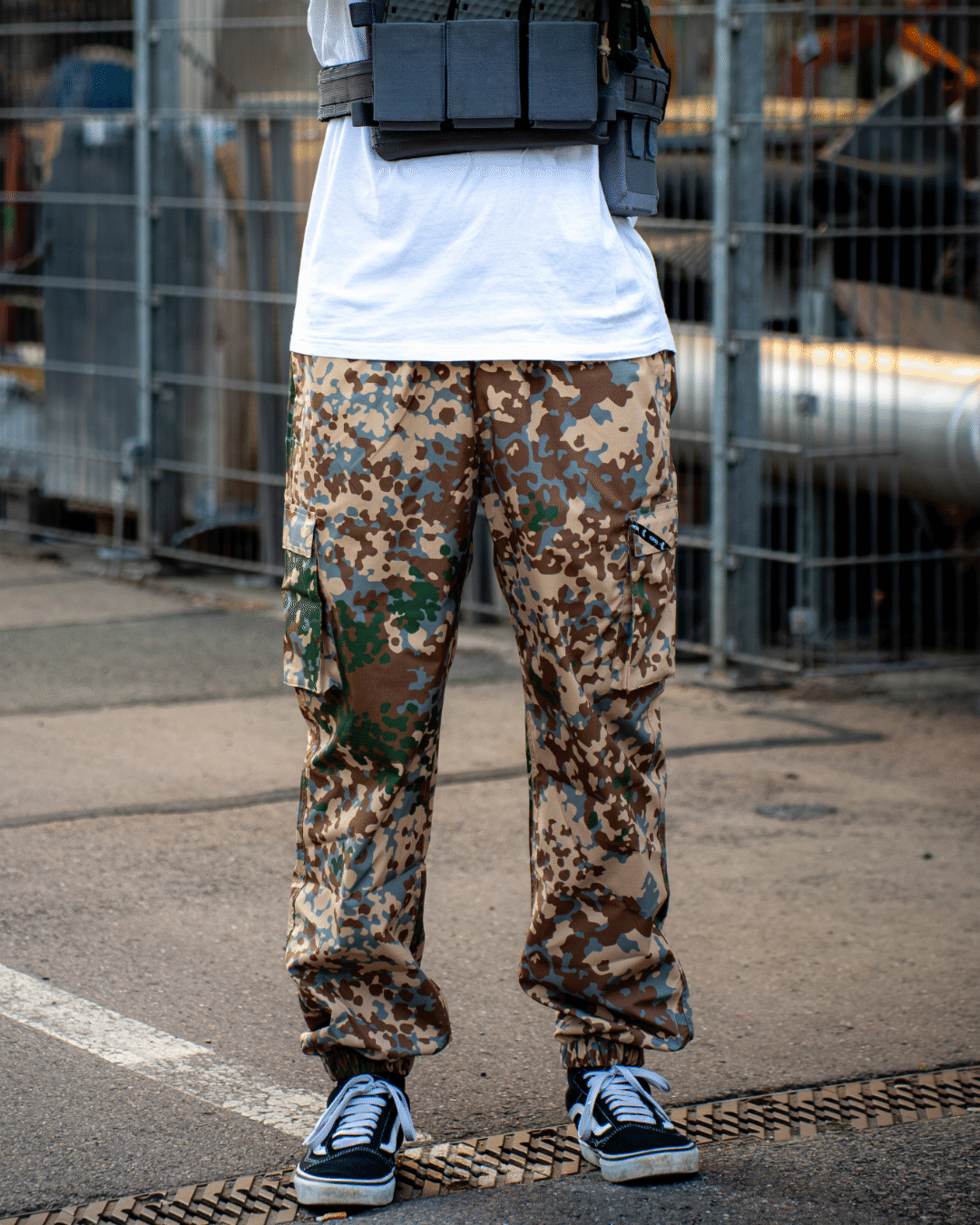
Das Design ist top, genauso wie das material der Ranger Pants.
Der Schnitt ist wie es sich gehört, wer's etwas weiter will nimmt ne Nummer größer.
Ich hab mir 5 Verschieden bei euch geholt alle sind top!
Top Verarbeitung und die Designs sind absolut Hammer 🤘🏽
Die Hose ist Top.
Qualität und Lieferung war einwandfrei.
Hervorragende Qualität, wie auch schon die der Standard Münzen. Aber das schwarze Finish ist echt eine Augenweide!
Mittlerweile habe ich mir 4 Shorts gekauft und bin absolut zufrieden. Preis völlig in Ordnung, Farben bzw Muster sind auch der Hammer. Kaufempfehlung....
Sehr cool gemacht

Veteran operated. Chaos approved.

No trends. No templates. Just what we believe in.

Made for the ones that carry the fire.